
 AUS
AUS
 NZ
NZ
 UK
UK
 CA
CA
 USA
USA
 IND
IND



_07_17_2023_11_54_00_546595.jpg)

Highlights
- Fresh Oman field service agreements broaden operational footprint
- Operational performance and service demand continue to draw market attention
- Expansion of localized manufacturing and artificial lift technology deployment supports
The oilfield services sector forms a central part of the global energy supply chain. Companies operating in this space provide drilling systems, well construction tools, artificial lift solutions, reservoir evaluation technologies.
Schlumberger NV (NYSE:SLB) operates within the oilfield services sector, delivering drilling solutions, well construction systems, artificial lift technologies, and production management services for exploration and production companies. Within this space, remains one of the most established names, supporting upstream oil and gas activity across a wide range of producing regions. The company’s role within the broader energy landscape also draws relevance from major market benchmarks such as the S&P 500.
Recent developments involving long term operational agreements in Oman have renewed industry attention toward the company. These agreements relate to service delivery across one of the largest oil and gas concessions in the Middle East. Activity also follows strong operational performance reported during the latest quarterly update, contributing to broader discussion across global energy markets.
Global Oilfield Services Industry
Oilfield services companies deliver equipment, digital technologies, and engineering expertise that enable hydrocarbon production across both conventional and unconventional reservoirs. Activities range from drilling and completion operations to production enhancement and reservoir monitoring.
These services support energy producers by improving well performance, extending field life, and enabling efficient resource recovery. The sector also incorporates digital reservoir modeling, artificial lift solutions, and wellhead technologies designed to manage pressure control and production flow. Companies such as provide integrated systems that combine engineering services with advanced equipment.
Industry activity often aligns with upstream development programs undertaken by national energy companies and global exploration firms. When drilling campaigns expand, service providers supply technologies and field personnel required to execute large scale projects. This connection between field development and service demand explains the importance of long term service agreements within producing regions.
Beyond drilling and completion work, oilfield service firms increasingly deliver digital monitoring systems and production optimization tools. Artificial intelligence driven analytics, remote operations platforms, and reservoir performance modeling now form an essential component of modern oilfield management.
Oman Energy Sector Development
Oman maintains a long history of hydrocarbon production, with energy resources playing a central role in the nation’s economic structure. Petroleum Development Oman operates several producing assets, including the well known Block concession that remains one of the country’s largest producing regions.
This field area contains extensive oil and gas resources supported by complex geological structures and mature reservoir systems. Development programs require continuous technology deployment to maintain stable output levels and manage reservoir pressure.
The latest agreements with (NYSE:SLB) involve service activities connected with wellhead systems and artificial lift technology. Wellheads form the mechanical interface between the wellbore and surface production equipment. These systems control pressure, regulate production flow, and support drilling and completion activities.
Artificial lift technologies support hydrocarbon extraction when natural reservoir pressure becomes insufficient to bring fluids to the surface. Pumps, gas lift systems, and other mechanical devices assist in moving oil and gas upward through the wellbore. These systems extend the productive life of fields and enhance recovery from mature reservoirs.
Across Oman’s producing fields, artificial lift remains essential as many reservoirs are in mature phases and require added support to sustain output. Service providers supply specialized equipment and technical expertise to help keep operations efficient and consistent Russell 1000.
Block Concession Operations Overview
The concession area addressed through the agreements represents one of the largest operational zones within Oman’s energy sector. Petroleum Development Oman manages exploration, drilling, and production activities across a wide network of wells distributed across desert terrain.
Field development within the concession includes horizontal drilling, enhanced oil recovery systems, and advanced reservoir monitoring technologies. Service companies supply essential tools and equipment required for well construction and production management.
The involvement of includes the deployment of wellhead technologies specifically designed to manage high pressure environments. These systems ensure safe and controlled extraction of hydrocarbons during production operations.
In addition to equipment supply, the agreements incorporate engineering support and maintenance services. Oilfield systems require regular inspection, replacement components, and performance optimization to ensure stable operations across complex reservoir environments.
Artificial lift deployment across the concession also forms part of the arrangement. Pumps and related technologies help maintain production levels as reservoir pressure changes over time.
Artificial Lift Technology Deployment
Artificial lift technologies represent a cornerstone of mature field management across global oil producing regions. As reservoirs age, natural pressure declines, making it more difficult for hydrocarbons to reach the surface.
Mechanical pumping systems, electrical submersible pumps, and gas lift methods assist in sustaining production flow. These systems operate continuously within wells, lifting fluids through tubing toward surface processing facilities.
Companies operating in the oilfield services sector design and manufacture a wide range of artificial lift solutions tailored to varying reservoir conditions. Temperature, pressure, fluid composition, and well depth influence the type of technology selected.
Through the Oman agreements, (NYSE:SLB) contributes equipment designed for complex field environments. These technologies support stable hydrocarbon flow across wells located within the concession area.
Engineering teams also monitor equipment performance and provide maintenance services throughout operational cycles. Field technicians evaluate system efficiency and adjust mechanical components when necessary.
Artificial lift deployment contributes significantly to long term reservoir management strategies used by national energy operators. Maintaining reliable flow rates ensures stable supply for export markets and domestic energy consumption.
Local Manufacturing Expansion Plans
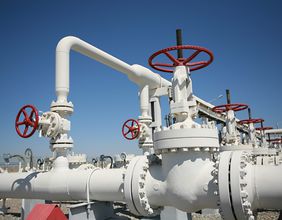
Another component of the agreements involves the expansion of localized manufacturing capabilities within Oman. Local production facilities support the manufacturing of gate valves used within wellhead systems and production infrastructure.
Gate valves control fluid movement through pipelines and wellhead assemblies. These components allow operators to regulate pressure and isolate sections of the system during maintenance or operational adjustments.
By establishing manufacturing capabilities within Oman, service providers contribute to industrial development within the region. Local production reduces logistics complexity and allows equipment to be delivered quickly to operational sites.
For the initiative also strengthens supply chain efficiency for field operations across the Middle East. Manufacturing components closer to operational zones improves equipment availability and maintenance responsiveness.
The development of locally produced wellhead components aligns with broader industrial diversification programs across Oman. Energy related manufacturing facilities contribute to workforce training, technology transfer, and industrial capacity growth.
Energy Technology Industry Context
Oilfield technology providers operate within a competitive global landscape. Several multinational companies deliver drilling systems, reservoir evaluation tools, and production technologies used across the upstream energy industry.
Within this environment, innovation plays a critical role. Companies develop advanced sensors, digital monitoring platforms, and automated drilling tools that enhance field performance and operational safety.
Service providers collaborate closely with energy producers to tailor solutions for specific reservoirs. Each field contains unique geological characteristics that require customized engineering approaches.
The role of (NYSE:SLB) within this technology ecosystem includes research and development across drilling automation, reservoir characterization, and production optimization systems.
Integration of digital analytics platforms with mechanical equipment now forms a major focus across the sector. Remote monitoring technologies allow engineers to track well performance in real time from centralized operations centers.
Global market activity surrounding oilfield services also connects with major equity benchmarks such as the Nyse Composite, where energy companies and service providers contribute to overall index composition.
Operational Performance Market Attention
Operational updates released by the company during the recent reporting cycle highlighted stronger than expected performance across several service segments. Activity across drilling systems, production technologies, and digital platforms contributed to improved operational momentum.
This performance followed a period of rising service demand across several international markets where upstream development programs remain active. Exploration activity across offshore basins and onshore fields continues to support service company workloads.
Industry participants closely monitor operational indicators such as drilling rig deployment, well completion activity, and production enhancement programs. These indicators reflect the level of service demand within the sector.
Within this environment, maintains a diversified portfolio of technologies covering multiple stages of the hydrocarbon production process. Equipment and services range from exploration technologies used during reservoir discovery to systems deployed during long term production management.
The combination of field agreements, manufacturing initiatives, and operational performance has therefore drawn renewed attention toward the company’s activities across global energy markets.
Regional Energy Infrastructure Expansion
The Middle East remains one of the most important regions for global oil production. Several nations across the region operate extensive hydrocarbon resources that require continuous technological support for efficient extraction.
Oilfield services companies provide drilling equipment, completion tools, and reservoir monitoring technologies used throughout development cycles. Long term service agreements often accompany large scale field programs due to the complexity of operations.
Within Oman, production infrastructure includes pipelines, gathering stations, and processing facilities that transport hydrocarbons from wells to export terminals. Maintaining these systems requires specialized equipment and engineering oversight.
The agreements involving (NYSE:SLB) integrate wellhead technology supply, artificial lift deployment, and manufacturing support into the operational framework of the concession. This integrated approach allows service providers to deliver equipment and technical support across multiple operational stages.
Energy infrastructure development within producing regions frequently includes partnerships between national energy companies and international service providers. These collaborations combine local resource management expertise with advanced engineering technologies developed by global service firms.
