
 AUS
AUS
 NZ
NZ
 UK
UK
 CA
CA
 USA
USA
 IND
IND





Highlights
- Revenue valuation remains favorable.
- Oil supply risks support sentiment.
- Capital spending remains a concern.
Talos Energys rally has strengthened market confidence, while discounted revenue valuation, domestic offshore production, capital requirements, commodity volatility, and execution risks continue defining the companys evolving outlook
Talos Energy (NYSE:TALO) has delivered a powerful market recovery, yet its valuation continues to look restrained compared with similar producers represented across the NYSE Composite. The rally reflects stronger sentiment toward offshore oil operations and renewed concern about global energy supplies, but the central issue is whether improving market expectations are firmly supported by revenue, cash flow, and operating discipline.
Rally Meets Valuation Discipline
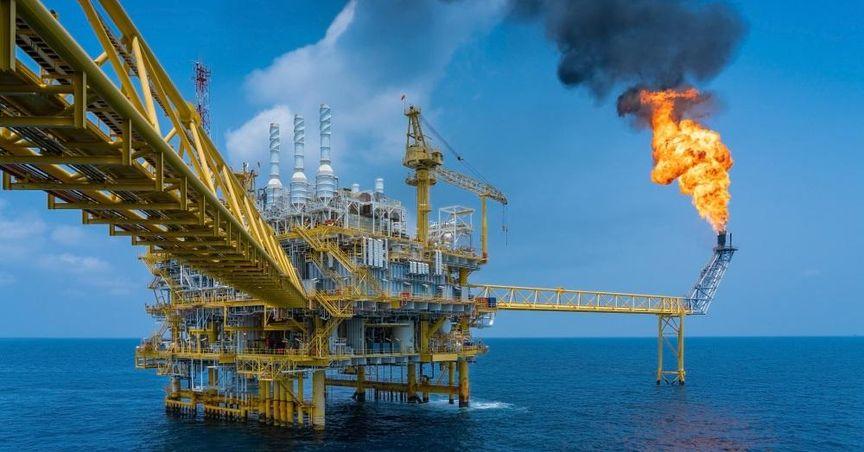
Talos Energy is an independent exploration and production company focused primarily on oil and natural gas assets in the Gulf of Mexico. Its portfolio includes offshore fields, subsea infrastructure, development projects, and mature producing assets that require careful capital management.
The companys strong market performance has followed a period of improving sentiment toward crude producers. Geopolitical uncertainty involving major oil-producing regions has raised concerns about supply disruptions, encouraging greater attention toward companies with established production capacity.
However, rapid market appreciation can make valuation increasingly important. A rising share price must eventually be supported by operational progress, stronger cash generation, manageable costs, and disciplined development spending. Talos Energy currently appears reasonably positioned on several valuation measures, suggesting that market enthusiasm has not completely removed the perceived discount.
Revenue Multiple Signals Value
A price-to-sales comparison offers a useful way to assess Talos Energy because earnings in the oil and gas industry can change sharply with commodity prices, production costs, hedging activity, and noncash accounting adjustments.
Revenue can provide a steadier reference point when examining how the market values the companys operating platform. Talos Energy trades at a lower sales multiple than many comparable oil and gas businesses, indicating that the market assigns a more cautious value to each unit of revenue generated.
This discount may suggest that expectations remain conservative despite the recent rally. It may also reflect uncertainty surrounding offshore development expenses, future production levels, asset retirement obligations, and fluctuations in crude prices.
For an energy stock, a discounted revenue multiple can appear attractive only when the underlying operations can produce dependable cash flow. The strength of the valuation case therefore depends on whether Talos Energy can maintain output while controlling spending and protecting margins.
Geopolitical Risks Support Sentiment
Oil producers often gain market attention when geopolitical tensions threaten global supply routes or create uncertainty around future production. Concerns involving major exporting regions can support crude prices and improve cash flow expectations across the energy industry.
Talos Energy may benefit from this environment because its production is concentrated in the United States. Domestic offshore assets can become strategically important when international supply concerns increase.
Still, geopolitical support can reverse quickly. Diplomatic progress, weaker demand, rising global production, or easing transportation risks could reduce the markets urgency around oil exposure. Any decline in commodity prices could pressure revenue expectations and challenge valuation assumptions that currently appear favorable.
The companys long-term outlook therefore cannot rely entirely on external tensions. Operational reliability, development success, cost efficiency, and balance sheet management remain more durable drivers.
Capital Needs Limit Flexibility
Offshore energy production is capital intensive. Talos Energy must fund drilling programs, maintain infrastructure, complete development work, and meet decommissioning requirements connected with mature fields.
These obligations can restrict free cash flow even when revenue improves. Large development commitments may also reduce flexibility during periods of weaker commodity pricing.
Asset retirement costs represent another important consideration. Offshore operators are responsible for plugging wells, removing equipment, and restoring sites when production ends. These expenses can increase over time and may compete with spending on growth projects.
A favorable valuation must therefore be weighed against the companys ongoing funding needs. The current discount may reflect market recognition that Talos Energy operates within a complex environment where strong production does not automatically translate into equally strong cash generation.
Operations Shape Future Direction
The sustainability of the recent rally will depend on execution. Talos Energy must demonstrate that its producing assets can remain reliable while new projects contribute meaningful output without creating excessive financial strain.
Production stability is especially important because unexpected downtime can affect revenue and increase repair costs. Offshore operations also face weather exposure, regulatory requirements, transportation constraints, and technical risks that can disrupt planned activity.
Successful project development could strengthen the companys revenue base and improve the markets view of its long-term earnings capacity. Conversely, delays or cost increases could narrow the valuation gap by weakening expected returns.
Valuation Case Remains Balanced
Talos Energy (NYSE:TALO) appears inexpensive compared with several industry benchmarks, even after its strong recovery. The lower revenue multiple suggests the market continues to apply caution to the companys operating and financial outlook.
That caution is understandable. Commodity prices remain unpredictable, capital requirements are significant, and offshore liabilities can create long-term pressure. Yet the company also has established production, exposure to strategic domestic resources, and an operating platform that may benefit when oil markets tighten.
The valuation debate ultimately centers on execution. Continued production reliability, careful spending, and stronger cash conversion could support a broader market reassessment. Weak commodity pricing or rising project costs could instead justify the existing discount.
