
 AUS
AUS
 NZ
NZ
 UK
UK
 CA
CA
 USA
USA
 IND
IND




Highlights
- Pipeline operator draws notice as energy themes dominate a packed reporting week
- Crude vaulting above the hundred-dollar mark sharpens focus on energy infrastructure
- Fee-based natural gas transport anchors the company's steady cash generation
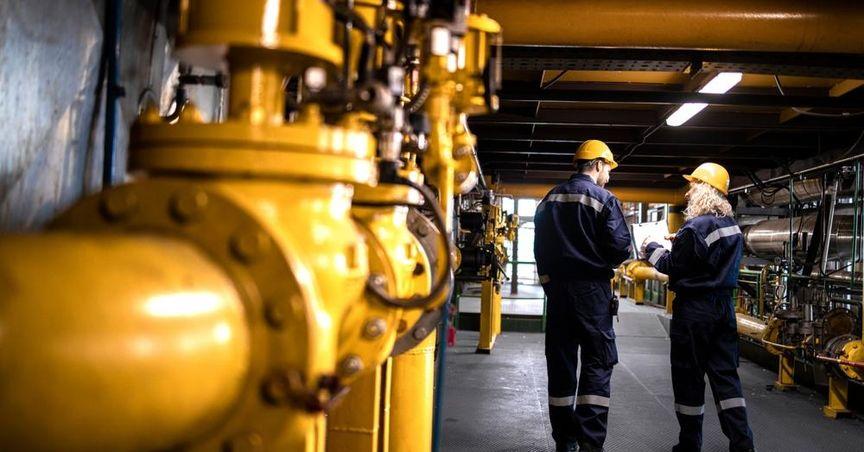
Kinder Morgan (NYSE:KMI) opened the week among the energy names in focus, as crude prices vaulted above the hundred-dollar mark and the busiest corporate reporting stretch of the quarter got underway. As one of the largest operators of energy infrastructure in North America, with a sprawling network of pipelines and storage terminals, the company sits at the plumbing layer of the energy system, a position that draws fresh attention whenever oil and gas dominate the headlines.
The heightened notice reflects the broader mood as energy surges to the front of market conversation. With Red Sea shipping disruption lifting crude and a Federal Reserve rate decision landing midweek, the entire energy complex is being read closely, and infrastructure operators that move fuel across the continent feature prominently in that discussion. Kinder Morgan, with its heavy tilt toward natural gas transport, occupies a distinctive spot within the group.
How the Market Context Is Evolving
The specific trigger is timing paired with the energy backdrop. This week brings a wave of corporate results, and major energy producers such as ExxonMobil and Chevron are set to report toward its end, keeping the sector squarely in view. The tone across those reports tends to color how the market treats adjacent names, and midstream operators like Kinder Morgan are read through the lens of a tighter crude market and shifting demand for the fuels that flow through their systems.
Layered on top is the midweek rate decision, with borrowing costs widely expected to stay steady and talk of a possible move later this year. Capital-intensive infrastructure operators finance long-lived assets over extended horizons, so the setting of interest rates matters to the whole midstream group. That backdrop keeps a name like Kinder Morgan in view even during sessions when it makes no announcement of its own, because the macro environment shapes how the market reads the energy plumbing layer.
What Could Shape the Next Phase?
The midstream segment sits between the producers that lift oil and gas from the ground and the refiners, utilities and exporters that consume it. Midstream operators own the pipelines, storage tanks and terminals that move and store these commodities, earning fees for transport and handling rather than betting directly on the price of the barrel. That structure gives the segment a different character from the exploration companies whose fortunes swing with commodity prices.
Within that landscape, Kinder Morgan is a heavyweight, running an expansive web of natural gas pipelines alongside terminals and other assets. Because so much of its business rests on moving gas under long-term arrangements, the company tends to generate steadier cash than the producers upstream. When energy dominates the conversation, as it does this week, the market often looks to midstream names as a comparatively stable way to gain exposure to the sector.
Sector Signals Worth Following
At its core, Kinder Morgan owns and operates energy infrastructure, with natural gas pipelines forming the backbone of the enterprise. These lines carry gas from producing regions to the utilities, power plants and export facilities that rely on it, threading across large stretches of the continent. The company also runs terminals that store and handle fuels and other products, adding a second layer to its footprint.
Beyond gas, the company handles refined products, crude and carbon dioxide across parts of its system, giving it a diversified set of assets tied to how energy moves through the economy. This breadth means Kinder Morgan is less a bet on any single commodity and more a wager on the continued flow of energy across North America. That positioning shapes how the market reads the name against a turbulent commodity backdrop.
Why This Theme Is Gaining Attention
Natural gas is the heart of Kinder Morgan's business, and demand for the fuel has grown as economies lean on it for electricity generation, heating and industrial use. Gas has taken on a larger role in the power mix as utilities move away from coal, and the build-out of facilities that chill gas into liquid form for export has opened fresh channels of demand. The company's pipelines connect the regions where gas is produced to the places where it is consumed and shipped abroad.
Because so much of the company's cash rests on moving gas rather than on its price, the steady growth in gas throughput matters more to the enterprise than short-term swings in the commodity. As electricity demand climbs, driven in part by data centers tied to artificial intelligence, the appetite for gas-fired power has drawn renewed attention. Kinder Morgan, as a major carrier of that fuel, features in conversations about how the country will meet rising power needs.
Looking Beyond the Headlines
Crude vaulting above the hundred-dollar mark, spurred by Red Sea shipping disruption and Houthi attacks, is the defining energy event of the week. While Kinder Morgan leans heavily toward natural gas rather than crude, the surge lifts the profile of the entire energy sector and sharpens focus on the infrastructure that keeps fuel moving. Higher oil prices tend to draw the market's gaze toward every corner of the energy system, midstream included.
The company's fee-based model means it does not ride the barrel the way a producer does, which can make it a comparatively steady presence when commodity prices swing sharply. Even so, sustained strength across energy markets can support activity levels across the systems it operates, from gas throughput to terminal usage. That indirect linkage helps explain why a pipeline operator draws attention during a week when oil commands the headlines, even without direct exposure to the crude price.
What Investors Are Watching
A defining feature of Kinder Morgan is its fee-based structure, under which much of its cash comes from long-term arrangements to transport and store energy. Customers pay for capacity and throughput, insulating a large share of the company's earnings from the direct swings of commodity prices. This design gives the enterprise a measure of stability that sets it apart from the more volatile upstream segment of the industry.
That steadiness underpins the company's ability to distribute cash to owners of stock and to fund the maintenance and expansion of its network. The steadiness of fee-based cash is one of the qualities the market most closely associates with well-run midstream operators. It is also why these names are often discussed as a comparatively defensive way to gain energy exposure during periods of commodity turbulence, such as the one unfolding this week.
How Companies Fit the Broader Picture
Kinder Morgan's pipeline network is vast, stitching together producing basins, demand centers and export terminals across the continent. Pipelines are among the most efficient means of moving large volumes of energy over long distances, and once built, they form durable assets that can serve their routes for decades. The scale and reach of this network are central to the company's standing within the midstream segment.
Operating such a network demands constant attention to safety, integrity and reliability, since the systems carry fuels essential to daily life. Maintaining and upgrading these assets is a continuous undertaking, and the company devotes substantial resources to keeping its lines running smoothly. The size of the network also creates room to add new connections and expand capacity where demand grows, giving the enterprise avenues to extend its reach over time.
The Bigger Market Narrative
The rise of energy exports has reshaped the demand picture for midstream operators. As facilities that chill natural gas into liquid form for shipment abroad have multiplied along the coasts, pipelines that feed those terminals have grown in importance. Kinder Morgan's network connects producing regions to these export gateways, positioning the company within one of the more dynamic corners of the energy story.
Growing global demand for cleaner-burning fuels, together with rising domestic electricity needs, has supported the case for expanding gas infrastructure. Data centers, electrification and industrial growth all add to the pull on the power system, and gas remains a workhorse fuel for meeting that demand. As a major mover of gas, Kinder Morgan sits at the intersection of these trends, which helps explain the attention the name attracts during an energy-charged week.
What's Driving the Bigger Theme?
Kinder Morgan is widely followed for its dividend, which it funds from the steady cash its fee-based network throws off. Distributing cash to owners of stock has become a defining feature of how large midstream operators frame their appeal, offering a tangible way to share the fruits of a reliable business. The company has emphasized balancing those distributions against maintaining a sound balance sheet and funding growth across its system.
Capital discipline has become a central theme across the midstream segment, with operators weighing spending on new projects against the desire to keep finances strong. How Kinder Morgan allocates cash among distributions, debt management and expansion shapes how the market reads the enterprise. That balance is watched closely, since it reflects the choices that determine the durability of the business through the ups and downs of the energy cycle.
Recent operational developments
In recent periods, the company has centered its messaging on the steady performance of its gas transport network, the expansion of capacity tied to export demand and the disciplined management of its finances. These threads matter because they determine how much cash the enterprise generates and how reliably it can sustain its distributions. Progress on new projects tied to rising gas demand tends to feature prominently in how the company frames its path.
Each reporting period offers a fresh read on throughput volumes, contract renewals and the health of the fee-based base. With the current earnings stretch underway across the market and major energy producers reporting toward the end of the week, the tone from the sector can color how the market approaches a midstream name even before its own figures arrive. That interplay keeps the stock in view during a data-dense stretch such as this one.
The competitive landscape
The midstream segment is populated by a range of operators competing to move and store energy, from other large pipeline companies to smaller regional players. Kinder Morgan's scale and its dense gas network set it apart, yet it still contends with rivals for the business of producers seeking to move their output and for the customers who consume it. Maintaining a strong position in that field rests on the reach and reliability of its systems.
Competition also plays out in the race to build new capacity where demand is growing, such as the pipelines feeding export terminals. Operators that can connect the right routes efficiently gain an edge in winning long-term arrangements. Tracking how Kinder Morgan fares against its peers in securing and serving these flows is a recurring part of following the name, particularly as gas demand evolves with electrification and exports.
Industry challenges facing midstream
The midstream segment faces genuine challenges. Building new pipelines can be a lengthy and contested undertaking, as permitting and community concerns add friction and delay. The energy transition raises longer-term questions about how demand for various fuels will evolve, prompting operators to think about how their asset base fits a changing energy mix over the decades ahead.
Commodity-price swings, while cushioned by the fee-based model, can still affect the activity levels of the producers and consumers that use the network. Interest rates influence the cost of financing capital-intensive assets, adding another variable. Navigating these pressures while maintaining safe, reliable operations and a sound balance sheet is the central task facing Kinder Morgan and its peers in the present environment.
Regulation and permitting
Energy infrastructure operates under close oversight, and the rules governing pipeline safety, environmental protection and construction shape how the segment functions. Securing approvals to build new lines can be a drawn-out process, and shifting regulatory currents can speed or slow the pace at which new capacity comes online. For a company whose growth partly depends on expanding its network, this backdrop carries real weight.
Regulatory developments tend to unfold gradually, yet their effects can be lasting, influencing which projects move forward and on what timelines. Kinder Morgan navigates a patchwork of federal, state and local frameworks as it maintains and extends its systems. Those following the name keep the regulatory picture in view, since it interacts with the demand and capital themes shaping the midstream story during an energy-focused week.
Broader market relevance
Kinder Morgan's membership in the S&P 500 means its moves are watched by the broad market, not only by energy specialists, and it often serves as a reference point for how midstream operators are faring. As part of the Energy Stocks space, the company is one of the clearer gauges of how energy infrastructure is faring against the current commodity turbulence and the demand tied to rising electricity needs.
The name sits at the intersection of several themes animating the market: the energy security debate lifted by the crude surge, the growing role of natural gas in the power mix, and the electricity demand tied to artificial-intelligence build-out. That positioning ensures Kinder Morgan remains a frequently referenced ticker whenever energy dominates the conversation, as it does at the start of this earnings-heavy week.
What market watchers are tracking now
With energy at the front of the market's mind and reporting season ramping up, attention centers on how Kinder Morgan's gas throughput, contract base and expansion projects are evolving against a backdrop of high crude prices and steady interest rates. The pace of export-linked demand and the health of the fee-based network remain the operational threads most closely followed by those studying the company.
Beyond the immediate figures due across the market this week, the longer storyline revolves around how energy infrastructure adapts as the power system evolves and demand for gas shifts. Kinder Morgan, as one of the largest movers of natural gas across the continent, stays firmly on the radar as the energy conversation intensifies and the busiest earnings stretch of the quarter gets underway. Whether crude sustains its climb or eases, the flow of energy through its network keeps the name in view.
