
 AUS
AUS
 NZ
NZ
 UK
UK
 CA
CA
 USA
USA
 IND
IND





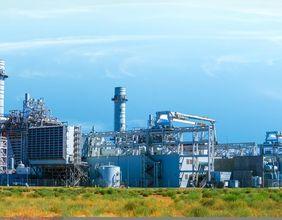

Highlights
- PBF Energy operates major refining assets
- The company focuses on crude processing operations
- Refining infrastructure supports fuel supply chains
PBF Energy Inc. (NYSE:PBF) operates as a refining and logistics company focused on processing crude oil and distributing petroleum products across regional markets. The company maintains refining assets and related infrastructure that contribute to fuel supply networks supporting transportation, manufacturing, and industrial operations. As a publicly listed corporation connected to broader market benchmarks such as the Nyse Composite, PBF Energy represents the energy refining segment within the New York Stock Exchange ecosystem. Through its refining facilities and logistics systems, the company processes crude oil into a range of refined petroleum products used in transportation fuels and industrial energy supply chains. Refining operations remain a critical component of the global energy sector because they convert raw hydrocarbon resources into usable fuels required by modern economies.
Refining Infrastructure Across Regional Energy Networks
PBF Energy operates a network of refining facilities that process crude oil into refined petroleum products used across transportation and industrial sectors. Refining infrastructure involves complex industrial systems designed to transform crude hydrocarbons into fuels such as gasoline, diesel, and other petroleum-based products. These refining processes rely on advanced processing units capable of separating crude oil into different components through chemical and thermal conversion techniques. The company’s refining assets support fuel supply chains by converting raw energy resources into usable fuel products that move through distribution networks toward commercial and industrial end users. Refineries serve as central hubs within energy supply systems because they link upstream crude oil production with downstream fuel distribution channels. Through refining infrastructure, energy companies contribute to maintaining stable fuel availability within regional energy markets.
Crude Processing Capabilities Within Energy Operations
Crude oil refining requires sophisticated industrial technology capable of handling various grades of raw hydrocarbons. PBF Energy utilizes refining units designed to process different types of crude oil while producing multiple refined fuel outputs. Processing units within refineries perform tasks such as distillation, cracking, reforming, and blending to transform crude oil into refined petroleum products suitable for transportation and industrial consumption. These operations require careful coordination between refining equipment, operational monitoring systems, and safety procedures to ensure reliable fuel production. Refineries also depend on logistics systems that transport crude oil to processing facilities while delivering finished products to storage terminals and distribution centers. By maintaining integrated refining and logistics capabilities, energy companies support the movement of petroleum products throughout regional energy supply chains.
Refinery Operations Supporting Fuel Distribution
Refining facilities operate as part of broader distribution networks that move fuel products toward end markets. After crude oil is processed into refined fuels, distribution infrastructure including pipelines, storage terminals, and marine transportation channels help deliver these products to wholesalers and commercial distributors. PBF Energy’s refining operations therefore contribute to maintaining the flow of transportation fuels used by commercial fleets, aviation sectors, and industrial operations. Refined petroleum products also support energy needs across manufacturing and shipping sectors that rely on consistent fuel availability. Distribution networks play an important role in connecting refining production centers with end-use markets, allowing energy companies to move petroleum products efficiently across regional supply chains. Through refinery operations and supporting logistics systems, energy providers contribute to maintaining operational continuity across transportation and industrial fuel networks.
Industrial Energy Role In Modern Economies
Refined petroleum products continue to serve as essential energy sources for transportation systems, heavy industry, and manufacturing operations. Energy refining companies process crude oil into fuels that power vehicles, aircraft, cargo shipping vessels, and industrial equipment. These fuels support the functioning of modern economies by enabling the movement of goods, services, and people across global trade routes. PBF Energy participates in this energy ecosystem by transforming raw hydrocarbon inputs into refined products used across multiple industrial sectors. Fuel production therefore represents an essential link between natural resource extraction and economic activity dependent on reliable energy supply. Energy refining operations also support infrastructure sectors such as construction, logistics, and agriculture where fuel-powered machinery remains essential for operational activity across regional and international markets.
Logistics Systems Linking Energy Supply Chains
Energy logistics plays a central role in transporting crude oil and refined petroleum products between production facilities and end-use markets. Refineries depend on integrated logistics systems that include pipelines, marine transport routes, rail systems, and storage terminals. These networks allow crude oil to reach refining facilities where it is processed before being transported again to distribution centers. PBF Energy’s operational structure incorporates logistics infrastructure designed to support the movement of petroleum products across fuel distribution systems. Storage terminals provide temporary holding capacity for refined products before they are delivered to wholesalers or transportation hubs. Logistics coordination ensures that fuel products move efficiently from refining facilities toward retail and commercial supply points. By maintaining integrated logistics operations, energy companies support stable fuel availability throughout energy distribution networks.
Market Participation Within Energy Sector
Energy refining companies operate within the broader energy sector that includes exploration, production, transportation, and distribution activities. Each segment contributes to a continuous energy supply chain that converts natural resources into usable energy products. PBF Energy represents the refining segment within this structure by processing crude oil into refined fuels required by commercial and transportation industries. Energy companies participating in public markets often appear within broad market benchmarks such as the Nyse Composite Index, which reflects corporations across multiple sectors including industrial manufacturing, technology, financial services, and energy production. The presence of refining companies within these market structures highlights the continued importance of energy supply infrastructure in supporting economic activity across industries.
Operational Efficiency In Refinery Management
Managing refinery operations requires coordinated control of industrial systems that handle crude processing, safety monitoring, and environmental management. Refinery facilities operate under strict operational frameworks designed to ensure safe and efficient processing of hydrocarbon materials. Industrial control systems regulate temperatures, pressure levels, and chemical reactions occurring within processing units. Maintenance programs ensure that refining equipment operates reliably while minimizing operational disruptions. Environmental management systems also monitor emissions and waste treatment processes associated with refining activities. Energy companies integrate these operational procedures into their refinery management strategies to maintain consistent production capabilities. Through operational coordination and industrial safety practices, refining companies maintain processing efficiency while supporting energy supply infrastructure used across multiple economic sectors.
Fuel Supply Stability Across Energy Markets
Refining operations contribute to maintaining stable fuel supply systems that support transportation and industrial activity. Petroleum-based fuels remain widely used across sectors such as aviation, shipping, logistics, and manufacturing. Energy refining companies process crude oil into fuels that power engines, turbines, and industrial machinery required for economic operations. PBF Energy Inc. (NYSE:PBF) refining activities therefore connect raw energy resources with fuel distribution systems serving regional markets. Energy supply stability depends on coordinated interaction between crude oil producers, refining facilities, logistics networks, and distribution channels. These interconnected systems enable refined fuels to reach end-use sectors that rely on consistent energy availability for operational continuity. Through refining infrastructure and fuel production processes, energy companies continue supporting the energy requirements of modern industrial economies.
