
 AUS
AUS
 NZ
NZ
 UK
UK
 CA
CA
 USA
USA
 IND
IND





Highlights
- Kinder Morgan's stable performance in the natural gas sector is supported by long-term contracts that provide consistent cash flow and reduce exposure to market fluctuations.
- The company’s extensive natural gas pipeline network benefits from the increasing demand for liquefied natural gas (LNG) exports, which boosts pipeline utilization across key regions.
- Higher natural gas prices during the third quarter, influenced by supply constraints and international demand, are expected to have positively impacted Kinder Morgan's revenues, particularly in its gathering and processing segments.
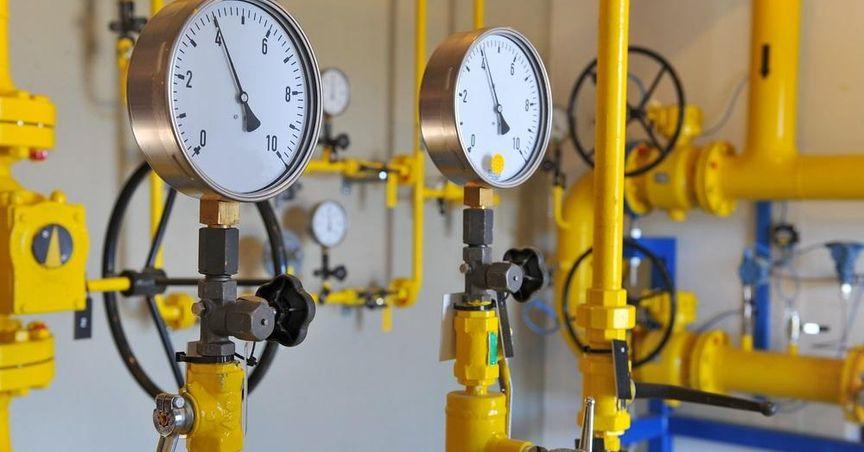
Kinder Morgan, Inc., a major player in the Energy sector, is set to report its third-quarter 2024 earnings on October 16. As one of the largest energy infrastructure companies in North America, the company operates a vast network of natural gas pipelines that spans the United States. These pipelines play a critical role in the transport of natural gas, serving as a backbone for both domestic energy needs and international liquefied natural gas (LNG) exports.
Stable Revenues Driven by Natural Gas Demand
One of Kinder Morgan (NYSE:KMI)’s strengths is its reliance on long-term contracts that provide a steady stream of cash flow. These contracts shield the company from short-term market volatility, ensuring stable revenues. During the third quarter, the company is expected to have benefited from strong demand for natural gas, especially as LNG exports continued to increase. With natural gas being a key resource for both domestic consumption and export markets, Kinder Morgan's extensive pipeline infrastructure remains vital.
As LNG facilities in the United States and Mexico expand their operations, the demand for Kinder Morgan's transportation services continues to rise. The company currently transports a significant portion of the natural gas used in the U.S., positioning itself as a critical player in the country’s energy export strategy. The growing global need for LNG, driven by energy supply concerns and international consumption, likely boosted pipeline utilization in the third quarter.
Natural Gas Price Dynamics and Revenue Impact
Higher natural gas prices, driven by supply constraints and rising international demand, are another factor that is expected to have contributed to Kinder Morgan's third-quarter performance. The uptick in prices during the quarter likely had a positive impact on the company’s gathering and processing operations. Additionally, as the natural gas market remains robust, the company is well-positioned to capitalize on any further price increases.
Kinder Morgan’s strategic advantage lies in its ability to serve the rising demand for both domestic and international natural gas, reinforcing its pivotal role in the energy sector. As the company prepares to release its third-quarter results, investors will be closely watching how these key factors have influenced its overall financial performance.
