
 AUS
AUS
 NZ
NZ
 UK
UK
 CA
CA
 USA
USA
 IND
IND





Highlights
- Energy infrastructure operations span pipelines, terminals, and storage networks
- Operational model centers on transportation and handling of natural gas and liquids
- Market activity aligns with industrial representation tracked by benchmark indexes
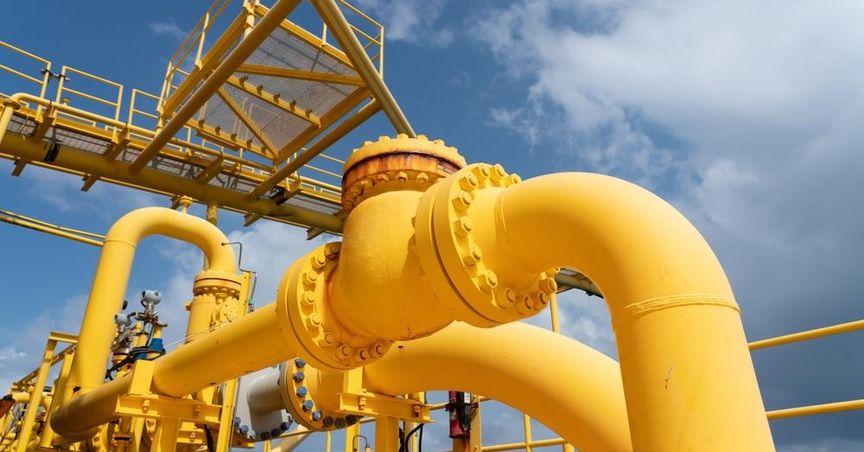
Overview of Kinder Morgan energy infrastructure aligned with the NYSE Composite, highlighting pipeline networks, storage coordination, and benchmark presence within nyse composite today.
Kinder Morgan operates within the energy infrastructure sector, where pipeline transportation, storage, and terminal services connect supply chains across large geographic regions, and trading activity aligns with the NYSE Composite. Kinder Morgan (NYSE:KMI) maintains an asset network dedicated to moving and managing energy commodities through integrated systems designed for continuity and scale. Coverage associated with the NYSE Composite frequently includes energy infrastructure organizations whose assets support industrial distribution frameworks, while broader tracking such as the nyse composite index and commentary around nyse composite today reflect participation by companies engaged in essential logistics.
Energy infrastructure network design
Kinder Morgan (NYSE:KMI) operates an extensive infrastructure footprint composed of transmission pipelines, gathering systems, and terminal facilities. These assets form interconnected corridors that enable the movement of natural gas, refined fuels, and related energy products. Pipeline routing is engineered to balance throughput capacity with operational stability, ensuring consistent flow management across regions.
Terminal operations support storage, blending, and transfer functions that complement pipeline transportation. Coordinated scheduling aligns inbound and outbound logistics, reinforcing system reliability. Infrastructure design emphasizes compatibility with diverse commodity streams while maintaining standardized operational procedures.
Pipeline transportation and flow management
Pipeline transportation represents a central component of Kinder Morgan (NYSE:KMI) operations. Flow management systems regulate pressure, volume, and routing through automated monitoring platforms. These systems integrate sensor networks and control technologies that provide continuous oversight of operational conditions.
Maintenance frameworks incorporate inspection cycles and mechanical verification processes intended to preserve asset integrity. Structured documentation accompanies each stage of pipeline activity, supporting traceability and compliance with established engineering protocols.
Storage and terminal coordination
Storage facilities associated with Kinder Morgan (NYSE:KMI) enable staged handling of energy commodities prior to downstream distribution. Tank farms, caverns, and terminal infrastructure support buffering functions that stabilize supply movement. Coordinated terminal scheduling synchronizes transfers between pipeline systems, marine access points, and land transportation links.
Material handling procedures focus on containment integrity and environmental safeguards. Operational workflows include monitoring checkpoints that verify transfer conditions and equipment status. These measures contribute to continuity across interconnected logistics pathways.
Operational performance reporting
Kinder Morgan (NYSE:KMI) publishes periodic operational updates describing system activity and infrastructure utilization. Reporting frameworks capture throughput metrics, maintenance initiatives, and asset coordination practices. Documentation emphasizes process transparency and standardized terminology to ensure clarity across stakeholders.
Performance tracking relies on internal measurement systems that aggregate operational data from distributed facilities. Centralized review processes evaluate equipment status, scheduling efficiency, and system alignment with engineering specifications.
Market context and benchmark presence
Energy infrastructure organizations form a visible segment within benchmark tracking frameworks. Kinder Morgan (NYSE:KMI) participates in a market environment where pipeline and terminal operators contribute to broad industrial representation. Benchmark references linked to the NYSE Composite reflect aggregated activity across sectors that sustain commodity distribution networks.
Discussion surrounding the nyse composite index frequently highlights the presence of transportation and storage operators whose assets underpin industrial supply chains. Mentions of nyse composite today often reference sector composition, illustrating how infrastructure companies integrate with larger market ecosystems.
Asset stewardship and compliance frameworks
Infrastructure stewardship encompasses inspection routines, safety verification, and environmental oversight. Kinder Morgan (NYSE:KMI) applies structured compliance procedures aligned with regulatory expectations governing energy transportation. These frameworks define maintenance intervals, documentation standards, and incident response protocols.
Operational teams coordinate with monitoring systems that capture real-time equipment data. Recorded information supports review cycles focused on system continuity and asset preservation. Standardized training and procedural references guide facility operations across geographic locations.
