
 AUS
AUS
 NZ
NZ
 UK
UK
 CA
CA
 USA
USA
 IND
IND


_02_06_2025_07_05_23_538703.jpg)



Highlights
- Cash flow strength supports valuation.
- Energy projects widen the growth runway.
- Commodity risks keep expectations balanced.
ExxonMobils cash flow strength, integrated operations, major offshore developments, and disciplined capital strategy support its valuation outlook, while commodity volatility and execution risks keep expectations measured.
ExxonMobil (NYSE:XOM), an integrated energy company operating across crude oil production, natural gas, refining, chemicals, and low-carbon technologies, remains firmly in focus as stronger oil prices renew attention on its future cash-generating capacity. Its scale, diversified operations, and expanding upstream portfolio continue to influence its standing within the S&P 500, while valuation models suggest the current market price may not fully reflect the companys long-term operating strength.
Cash Flow Outlook Gains Strength
ExxonMobils valuation narrative centers on the durability of its free cash flow. The company operates across the energy value chain, allowing upstream production, refining, chemicals, and specialized products to contribute during different commodity cycles.
A discounted cash flow approach considers what future cash generation may be worth in present terms. Under this framework, ExxonMobil appears to have room above its current market valuation, provided its major projects continue progressing and operating discipline remains consistent.
The valuation case does not depend on unusually rapid expansion. Instead, it rests on stable production, controlled spending, dependable refining operations, and disciplined execution across a broad asset base. That structure can support cash generation even when individual parts of the business face temporary pressure.
Oil Strength Supports Operations
Firm crude oil prices can improve the economics of ExxonMobils upstream portfolio by supporting revenue and cash flow from producing assets. The effect is particularly important for projects with long operating lives and competitive production costs.
However, commodity strength alone does not define the companys outlook. Energy prices can shift sharply in response to supply changes, geopolitical developments, economic conditions, and global consumption patterns. ExxonMobils valuation therefore depends on both the market environment and its ability to maintain efficient operations.
As a leading energy stock, the company benefits from geographic diversification and exposure to several parts of the global energy system. This operating breadth provides a more balanced foundation than reliance on a single field, region, or business segment.
Guyana Remains Central
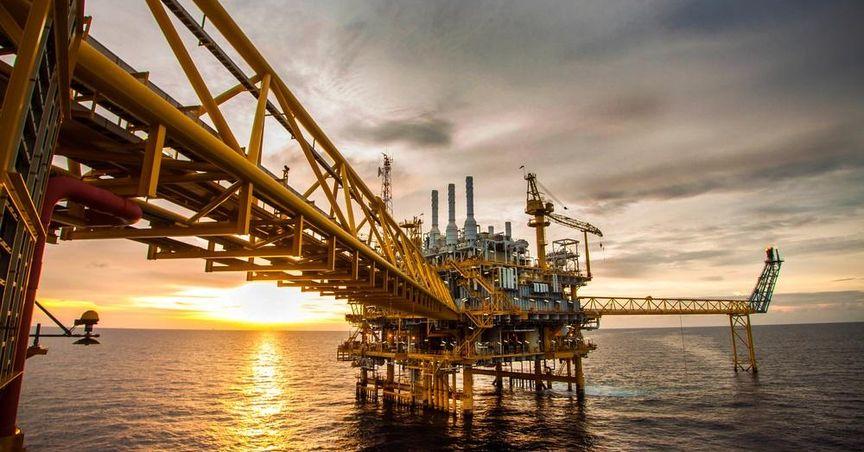
ExxonMobils offshore operations in Guyana remain a major part of its long-term production strategy. The region has developed into an important source of lower-cost output, supported by large discoveries and a phased development program.
Continued progress in Guyana could strengthen production visibility and support future cash generation. The project portfolio also gives ExxonMobil exposure to assets that may remain economically competitive across a range of commodity environments.
Large developments still carry important risks. Construction schedules, operating complexity, government policy, environmental oversight, and infrastructure requirements can affect expected returns. The market may therefore apply a degree of caution even when project economics appear attractive.
Earnings Valuation Looks Supportive
An earnings-based approach also suggests ExxonMobil may be trading below a valuation level supported by its scale and profit profile. This framework compares the market price with the companys earnings capacity while accounting for business quality, operational risk, and sector characteristics.
ExxonMobils current earnings multiple appears moderate compared with some large peers, although it remains influenced by the cyclical nature of the oil and gas industry. Energy company earnings can change substantially as crude oil, natural gas, refining margins, and chemical demand move through different phases.
The companys integrated structure can soften part of this volatility. Stronger performance in refining or specialty products may provide support when upstream conditions weaken, while favorable commodity prices can lift production earnings during stronger cycles.
Capital Discipline Shapes Value
Future valuation will depend heavily on how ExxonMobil directs capital across major projects, maintenance needs, acquisitions, and emerging energy technologies. Large energy developments require substantial funding before they begin contributing meaningful cash flow.
Disciplined project selection can strengthen returns and protect the balance sheet. Poor execution, cost inflation, or delayed production could reduce the value expected from the development pipeline.
ExxonMobil has emphasized assets with competitive production costs and long operating lives. This approach may improve resilience during weaker commodity periods while allowing the company to benefit when energy prices remain supportive.
Low-Carbon Strategy Adds Options
Beyond traditional oil and gas activities, ExxonMobil is developing businesses connected to carbon capture, hydrogen, lithium, and lower-emission industrial solutions. These initiatives remain smaller than the companys established operations, but they may create additional long-term opportunities.
Their commercial contribution will depend on customer demand, government policy, infrastructure development, and project economics. These businesses should therefore be viewed as strategic options rather than immediate replacements for the companys core energy operations.
A successful expansion could broaden ExxonMobils future revenue base and strengthen its role in industrial decarbonization. Weak project economics or uncertain policy support could limit the pace of progress.
Execution Defines The Outlook
The valuation picture remains constructive but not without uncertainty. Cash flow models and earnings measures indicate that ExxonMobil may be priced below levels supported by its operating capacity. At the same time, commodity volatility, capital intensity, regulatory pressure, and project execution remain central considerations.
The companys future position will depend on reliable production growth, efficient refining operations, disciplined capital allocation, and steady progress across major developments. Strong execution could narrow the gap between current market pricing and estimated intrinsic value, while operational setbacks could keep that valuation gap in place.
ExxonMobil (NYSE:XOM), scale, asset quality, and integrated structure provide a durable foundation. The key question is whether future cash generation can consistently justify the expectations embedded in valuation models.
