
 AUS
AUS
 NZ
NZ
 UK
UK
 CA
CA
 USA
USA
 IND
IND



Highlights
- Integrated operations span oil, natural gas, refining, chemicals, and transportation.
- Major projects support production across North America, Kazakhstan, and Australia.
- The S&P 500 Index provides relevant context for one of the largest U.S. energy companies.
The S&P 500 Index includes many of the largest publicly traded corporations in the United States, including Chevron Corporation, a major participant in the energy sector. The company operates an integrated business model encompassing hydrocarbon exploration, production, refining, transportation, chemicals manufacturing, and selected lower-carbon activities. Within the broader universe of Energy Stocks, operations extend across multiple continents through a diverse portfolio of assets, infrastructure networks, and energy-related projects.
Upstream Production and Resource Development
Chevron Corporation (NYSE:CVX) maintains exploration and production activities across several of the world's significant hydrocarbon regions. Operations include conventional oil fields, offshore developments, shale resources, and natural gas assets located throughout North America and international markets.
The Permian Basin remains one of the company’s most important producing regions, contributing substantial oil and natural gas volumes. Additional assets are located in the Gulf of Mexico, Kazakhstan, West Africa, and other strategic energy-producing areas. These operations involve drilling programs, reservoir management, field development activities, and production optimization initiatives.
Natural gas production also represents a significant component of the asset base. Production facilities and associated infrastructure support domestic and international energy supply requirements across multiple markets.
Refining and Fuel Manufacturing
Refining operations form a key part of the integrated structure. Crude oil processed through refining facilities is converted into transportation fuels and other petroleum products used by consumers, industrial customers, airlines, and commercial operators.
Products manufactured through refining operations include gasoline, diesel fuel, aviation fuel, marine fuels, lubricants, and specialty petroleum products. Distribution systems support delivery through wholesale, retail, and commercial channels.
The integration of production and refining assets enables hydrocarbons extracted from upstream operations to move through processing facilities before reaching end-use markets.
Chemicals Business and Industrial Applications
Beyond hydrocarbons, the company participates in petrochemical manufacturing through affiliated businesses and joint ventures. Chemical operations produce materials used in packaging, construction, industrial manufacturing, consumer goods, and infrastructure applications.
Petrochemical products include plastics, specialty chemicals, and industrial feedstocks that serve a broad range of commercial sectors. These activities complement energy operations while extending participation into additional industrial markets.
Among companies categorized as Energy Stocks, diversification across chemicals and fuel manufacturing contributes to a broad operational footprint.
International Projects and Geographic Reach
Global operations extend across numerous countries and regions. Kazakhstan represents a particularly important area through participation in the Tengiz field, one of the world's largest oil developments. Expansion activities at Tengiz have increased production capacity and strengthened the project's significance within the overall asset portfolio.
Australia also remains a major operating region due to liquefied natural gas developments. Large-scale LNG facilities process and export natural gas to customers throughout Asia-Pacific markets. These projects contribute to international energy trade and long-term supply arrangements.
Additional operations and partnerships are located across Latin America, Africa, the Middle East, and other regions. Geographic diversity provides access to multiple resource basins and production environments.
Infrastructure and Transportation Assets
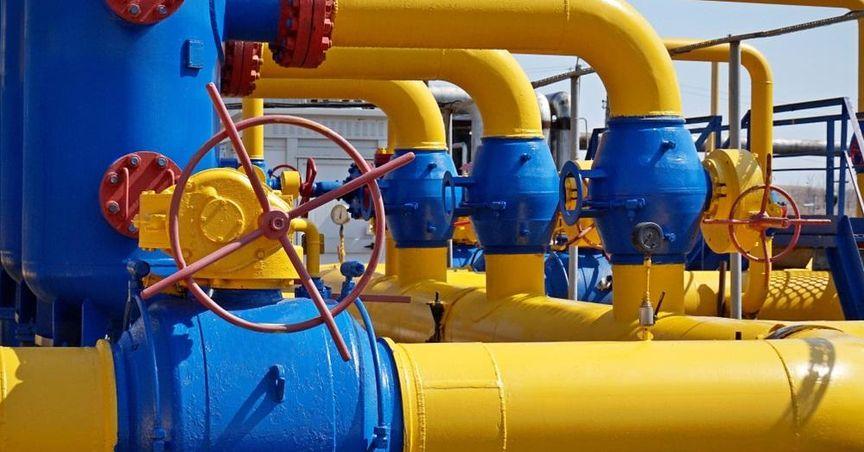
Extensive infrastructure supports operations across the energy value chain. Pipelines, storage facilities, export terminals, marine transportation assets, and distribution networks facilitate movement of crude oil, natural gas, refined products, and petrochemicals.
Transportation systems connect producing fields with processing facilities and customer markets. Storage infrastructure assists with inventory management and supply coordination across operating regions.
These assets represent a substantial component of the company’s overall operational framework and support energy delivery across domestic and international markets.
Lower-Carbon Activities
The S&P 500 Index includes companies participating in evolving energy technologies, and the company has expanded activity in several lower-carbon segments. Publicly disclosed projects include renewable fuels, hydrogen initiatives, carbon capture technologies, and emissions-reduction programs.
These activities complement traditional oil and natural gas operations while broadening participation across different areas of the energy landscape. Operational improvements have also focused on efficiency enhancements and emissions management at existing facilities.
Natural gas continues to play an important role in these efforts, particularly through LNG operations and projects supporting energy supply diversification.
Position Within the Energy Industry
The company ranks among the largest integrated energy enterprises in the United States and maintains operations throughout multiple regions worldwide. Activities encompass exploration, production, refining, chemicals, transportation, marketing, and infrastructure management.
Scale, asset diversity, and geographic reach distinguish operations within the global energy industry. Participation across numerous segments enables involvement throughout the energy value chain, from resource development to refined product distribution.
The S&P 500 Index remains a widely recognized benchmark that includes major corporations operating across critical sectors of the U.S. economy, including large integrated energy companies with substantial international operations.
