
 AUS
AUS
 NZ
NZ
 UK
UK
 CA
CA
 USA
USA
 IND
IND






Highlights
- Halliburton supports global energy operations across service segments
- Operations span drilling, completion, and reservoir lifecycle services
- Activity often discussed alongside s&p 500 fund
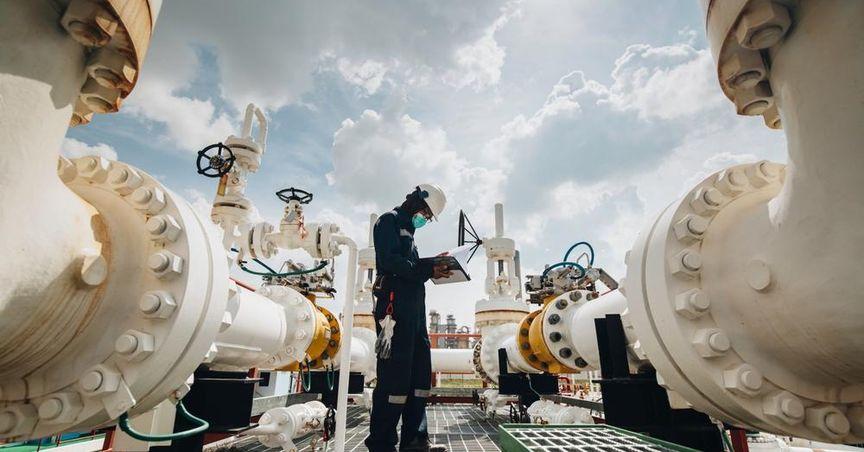
Halliburton Company (NYSE:HAL) stands among the most established oilfield services providers supporting upstream energy operations worldwide. Its presence in global markets is frequently framed within broader equity discussions where s&p 500 fund terminology is used to describe diversified exposure to large industrial participants rather than individual movement. Halliburton delivers integrated services that assist energy producers through exploration, drilling, production, and field optimization activities. Headquartered in the United States, the company operates across multiple regions, serving national oil companies and independent operators alike. Its long operational history reflects a sustained role within energy infrastructure, supported by technical expertise, service integration, and global deployment capabilities.
How does Halliburton structure operations?
Halliburton organizes its operations around service lines that address distinct phases of oil and gas field development. Broader market conversations may reference s&p 500 futures when situating such companies within overall industrial participation. The company’s structure enables coordination between drilling services, evaluation technologies, completion solutions, and production optimization. Each operational segment supports efficiency and continuity across reservoir lifecycles. This structure allows Halliburton to deliver integrated solutions rather than isolated services, aligning technical execution with client field objectives. Operational coordination across regions further supports consistent service delivery in complex geological and logistical environments.
What services define Halliburton portfolio?
Halliburton’s service portfolio spans drilling fluids, cementing, well construction, formation evaluation, and production enhancement. In wider equity narratives, s&p 500 today language may appear when describing energy service providers within daily market context. The company’s offerings are designed to support operational efficiency, well integrity, and reservoir performance. Services are delivered through specialized equipment, digital platforms, and technical personnel deployed across global basins. This portfolio breadth allows Halliburton to participate across multiple project stages, supporting energy producers with both conventional and advanced service solutions tailored to field conditions.
Why technology underpins service delivery?
Technology plays a central role in Halliburton’s service execution, enabling precision, safety, and operational consistency. Market commentary may include s&p 500 index references when highlighting companies integrating technology into industrial services. Halliburton applies digital tools, data analytics, and automation across drilling and completion workflows. These technologies support real-time decision-making, performance monitoring, and operational optimization. The company’s technology platforms are embedded within service delivery rather than offered as standalone products, reinforcing integration across operational stages. This approach aligns technical capabilities with field execution requirements across diverse operating environments.
How global presence supports clients?
Halliburton maintains operations across major energy-producing regions, supporting clients with localized expertise and global scale. Discussions of internationally active firms may reference s&p 500 etf terminology to frame exposure to companies with worldwide reach. The company’s global footprint allows it to deploy services adapted to regional geology, regulatory conditions, and infrastructure constraints. Local teams operate within global standards, ensuring consistency while addressing site-specific challenges. This balance between global coordination and regional execution supports long-term relationships with energy producers operating across multiple jurisdictions.
What defines Halliburton business model?
Halliburton’s business model centers on providing integrated services that accompany energy producers throughout field lifecycles. In broader financial dialogue, s&p 500 phrasing may be used to position such companies within large-cap industrial groupings. The model emphasizes service depth, operational reliability, and technical alignment with client objectives. Rather than focusing on singular project phases, Halliburton engages across exploration, development, production, and field maintenance. This continuity enables service consistency and operational familiarity that supports complex project execution in diverse energy environments.
How logistics enable operational continuity?
Logistics and supply coordination are essential to Halliburton’s service delivery model, ensuring timely equipment and material availability. Market-wide commentary may include s and p futures language when addressing infrastructure-heavy companies. Halliburton manages logistics networks that support equipment movement, inventory control, and field deployment across regions. These systems enable rapid response to operational demands while maintaining service quality standards. Effective logistics support minimizes downtime and supports execution across remote or technically challenging locations, reinforcing operational reliability.
Where Halliburton fits energy markets?
Halliburton occupies a defined role within global energy markets as a comprehensive service provider supporting upstream operations. In broader sentiment discussions, s&p futures terminology may appear to contextualize industrial energy participants within market-wide activity. The company’s role is shaped by technical capability, service integration, and geographic reach rather than commodity pricing narratives. Halliburton’s participation across energy basins positions it as an infrastructure enabler within the upstream sector, supporting field development and operational continuity across global energy systems.
