
 AUS
AUS
 NZ
NZ
 UK
UK
 CA
CA
 USA
USA
 IND
IND






Highlights
- ExxonMobil reaches a production milestone.
- Nigeria expansion strengthens the upstream portfolio.
- LNG operations remain under market focus.
Production growth, upstream expansion, and ongoing global energy projects continue shaping market attention as integrated energy companies strengthen long-term operational strategies across multiple regions.
The global energy industry continues evolving as major oil producers balance production growth with new project development and operational challenges. As a constituent of the NYSE Composite, ExxonMobil (NYSE:XOM) remains one of the most closely followed energy companies in the broader U.S. equity market. One of the world's largest integrated energy companies, ExxonMobil has returned to the spotlight after achieving its strongest production level in decades while advancing a major upstream project in Nigeria. The latest developments highlight the company's continued focus on expanding production capacity while navigating changing conditions across its international operations.
Record Production Achievement
ExxonMobil has strengthened its position within the global energy industry by reaching its highest production level in decades. The milestone reflects years of investment across large-scale upstream assets, strategic acquisitions, and long-term resource development.
Production growth has increasingly been supported by assets in the Permian Basin and offshore Guyana, two regions that continue contributing meaningful volumes to the company's global portfolio. These operations have become important pillars of ExxonMobil's long-term production strategy as demand for reliable energy supplies continues across international markets.
The production milestone also demonstrates how previously announced expansion initiatives are translating into higher operational output across multiple regions.
Nigeria Expansion Plans
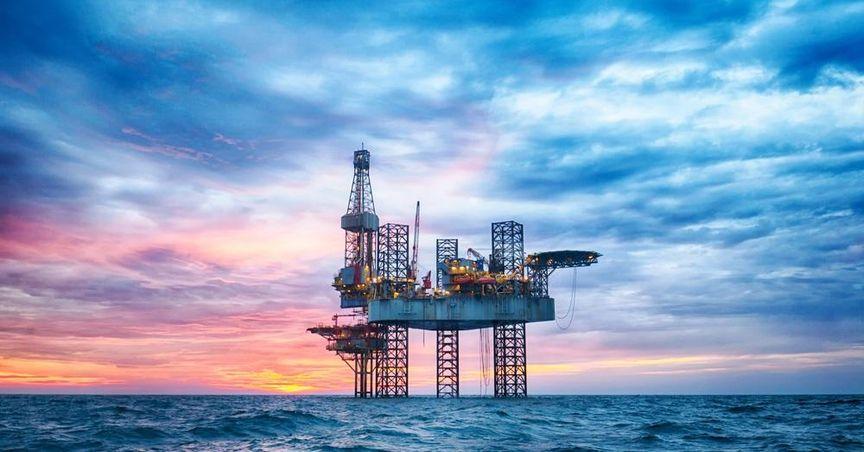
ExxonMobil continues expanding its upstream footprint through a major offshore development in Nigeria.
The company's latest investment in the Usan Infill Project reflects its commitment to extending production from established offshore assets while improving resource recovery from existing infrastructure.
Rather than relying entirely on new discoveries, the project focuses on maximizing production efficiency from a proven producing field. This approach allows the company to strengthen output while utilizing existing operational capabilities.
Nigeria remains one of Africa's most important energy-producing nations, making continued investment in offshore development strategically significant for ExxonMobil's broader upstream business.
Global Portfolio Strength
ExxonMobil operates one of the world's most diversified energy stock portfolios, spanning upstream exploration and production, refining, chemicals, and liquefied natural gas operations.
This diversified structure provides exposure to multiple segments of the energy value chain while supporting operational flexibility across changing market environments.
The company continues allocating resources toward projects capable of supporting long-term production growth while maintaining a balanced global asset base across multiple continents.
Large-scale integrated operations also allow ExxonMobil to manage production across different commodities and geographic regions.
Guyana Growth Continues
Guyana has become one of the most important contributors to ExxonMobil's production growth strategy.
The country's offshore discoveries continue attracting global attention because of their high-quality resources and long-term development potential.
As additional projects move through different stages of development, Guyana remains central to ExxonMobil's efforts to strengthen future production while expanding its international upstream portfolio.
The region continues supporting the company's objective of delivering stable production from large, low-cost resource assets.
Permian Operations Expand
The Permian Basin continues serving as another major growth engine within ExxonMobil's production portfolio.
Operations across this prolific resource basin benefit from advanced drilling techniques, infrastructure development, and operational efficiencies that support sustained production activity.
The company's expanded presence following strategic acquisitions has further strengthened its position across one of North America's most productive oil-producing regions.
Combined with international developments, Permian production continues supporting overall output growth.
LNG Operations Face Challenges
While upstream production has strengthened, ExxonMobil is also managing operational challenges affecting parts of its liquefied natural gas business.
Damage affecting LNG infrastructure in Qatar has introduced additional operational considerations for the company's global natural gas portfolio.
Liquefied natural gas remains an increasingly important component of global energy supply as countries continue expanding access to cleaner-burning fuel sources and diversified energy imports.
Although operational disruptions can influence production schedules, LNG remains an important long-term business segment within ExxonMobil's diversified energy portfolio.
Energy Markets Evolve
Global energy markets continue responding to geopolitical developments, changing supply conditions, and evolving consumption patterns.
Oil and natural gas remain essential resources supporting transportation, manufacturing, industrial production, aviation, and electricity generation across international markets.
At the same time, governments and businesses continue pursuing energy security while investing in diversified supply chains capable of supporting long-term economic growth.
These trends continue influencing production strategies among the world's largest integrated energy companies.
Long-Term Strategy
ExxonMobil (NYSE:XOM) recent developments demonstrate a strategy centered on expanding production while maintaining investment across high-quality resource assets.
Projects in Nigeria, Guyana, and the Permian Basin represent different components of a broader approach designed to strengthen future production capabilities.
At the same time, managing operational risks across international LNG assets highlights the importance of maintaining a diversified global portfolio capable of adapting to changing market conditions.
As new projects progress and existing operations continue evolving, production growth remains a defining element of the company's long-term strategy.
