
 AUS
AUS
 NZ
NZ
 UK
UK
 CA
CA
 USA
USA
 IND
IND





Highlights
UK equities endured their weakest trading session in weeks as renewed geopolitical tensions unsettled market sentiment across multiple sectors.
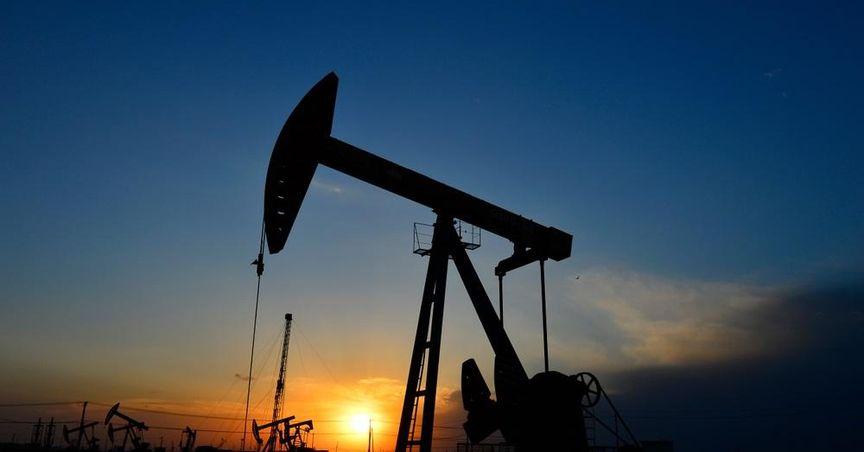
Energy giants BP (LSE:BP) and Shell (LSE:SHEL) bucked the broader market trend after stronger crude oil prices lifted the outlook for Energy Stocks.
Travel, housing, financial and mining shares delivered mixed performances as company-specific updates combined with global uncertainty to shape trading activity.
The UK equity market faced a sharp reversal as renewed geopolitical uncertainty triggered widespread selling across London-listed shares, leaving many market participants reassessing risk exposure. While much of the market moved lower, BP (LSE:BP) emerged among the notable gainers as higher crude prices supported energy companies. The broader FTSE 100 reflected the cautious mood, with weakness spreading across mining, financial and consumer-facing sectors even as selected energy names stood out against the market decline. The session also highlighted how global political developments can rapidly reshape sentiment across Blue-Chip Stocks listed in London.
Geopolitical tensions return to the forefront
Markets across Europe entered the trading session with investors closely monitoring developments in the Middle East. Fresh comments from US President Donald Trump suggesting that an earlier understanding relating to Iran had effectively collapsed reignited concerns that regional tensions could intensify again.
The renewed uncertainty prompted a broad shift towards defensive positioning across global financial markets. Commodity prices reacted swiftly, particularly crude oil, as traders considered the possibility of disruptions to supply routes across one of the world's most strategically important energy-producing regions.
For UK-listed companies, the reaction was immediate. Energy producers strengthened while economically sensitive sectors came under renewed pressure.
Energy companies benefit from rising oil prices
One of the clearest beneficiaries of the changing geopolitical backdrop was the energy sector.
BP, one of Britain's largest integrated energy companies with operations spanning exploration, production, refining and retail fuel distribution, enjoyed stronger trading as oil prices climbed sharply during the session.
Similarly, Shell (LSE:SHEL) also advanced as investors recognised that sustained strength in crude prices could improve revenue conditions across upstream operations.
The move underlined how global energy companies often react differently from the wider market during periods of geopolitical uncertainty. When concerns emerge regarding global supply, oil prices frequently strengthen, providing temporary support for producers even while broader equity markets weaken.
As a result, Energy Stocks became one of the few bright spots during an otherwise difficult day for London markets.
Mining shares lead the market lower
While energy companies benefited from higher commodity prices, mining stocks experienced a far more challenging session.
Industrial metals producers were among the weakest performers as concerns surrounding global economic growth resurfaced alongside geopolitical uncertainty.
Mining companies generally rely on stable expectations for manufacturing activity and industrial demand. Any sign that global growth could slow tends to weigh on expectations for future metals consumption.
The combination of geopolitical concerns, cautious market sentiment and weaker expectations for industrial demand created a difficult backdrop for London's diversified mining sector.
This weakness became one of the principal reasons behind the broader market decline.
Precious metals struggle despite uncertainty
Gold is often viewed as a traditional defensive asset during periods of market stress. However, precious metals miners moved lower despite geopolitical uncertainty dominating headlines.
Gold prices eased as markets increasingly focused on inflation concerns and the possibility that interest rates could remain elevated for longer.
Higher interest rate expectations can reduce the appeal of non-yielding assets such as gold, offsetting some of the traditional safe-haven demand that often emerges during geopolitical events.
Consequently, many companies within the Gold Stocks category experienced a difficult trading session despite broader market volatility.
Travel sector delivers an unexpected bright spot
Although most travel-related businesses faced pressure from wider market weakness, one company managed to outperform significantly.
Jet2 (LSE:JET2) recorded a strong advance after providing an encouraging update regarding summer holiday demand.
The airline and package holiday operator indicated that travellers had become more willing to confirm bookings following an earlier easing in Middle East tensions. Stronger booking confidence helped offset concerns surrounding the broader market environment.
The performance demonstrated that company-specific operational updates can still outweigh wider macroeconomic factors when underlying consumer demand remains resilient.
The travel sector continues to remain highly sensitive to geopolitical developments, fuel prices and household spending trends, making operational updates especially important during periods of market uncertainty.
Housing sector faces fresh pressure
Elsewhere, the housing market delivered weaker news.
Vistry (LSE:VTYV), Britain's largest affordable housing developer, warned that it expected to report a first-half pre-tax loss, placing renewed pressure on the shares.
The update reinforced concerns that parts of the UK residential construction sector continue to face operational challenges despite signs of stabilisation across certain areas of the property market.
Construction businesses remain exposed to build cost inflation, planning delays and changes in housing demand, making earnings visibility more challenging.
The latest trading update added another layer of caution surrounding the wider Infra & Real Estate Stocks sector.
Financial services shares retreat
The financial sector also experienced weakness during the session.
IG Group (LSE:IGG) moved lower after announcing proposals to establish a new holding company in Jersey as part of a wider corporate restructuring designed to enhance shareholder value.
Although the strategic review represents a longer-term corporate initiative, broader market sentiment overshadowed the announcement.
Financial businesses frequently experience heightened volatility during uncertain macroeconomic periods as trading activity, client sentiment and broader capital market conditions fluctuate.
The performance reflected wider caution across Financial Stocks as investors reduced exposure to risk-sensitive sectors.
UK employment signals show modest improvement
Away from company-specific announcements, fresh economic data offered a slightly more encouraging picture for the domestic labour market.
A recruitment industry survey suggested that the slowdown across Britain's jobs market eased during the latest reporting period.
Temporary hiring activity improved while starting salaries also showed signs of strengthening compared with previous months.
Although hiring conditions remain relatively subdued compared with earlier economic cycles, the latest figures indicate that employers continue to recruit selectively despite ongoing uncertainty surrounding economic growth.
The employment data provided a modest counterbalance to the day's weaker equity performance.
Why geopolitical events influence UK shares
Events taking place thousands of miles away frequently have an immediate impact on UK-listed companies.
Britain's largest listed businesses generate substantial proportions of their revenues overseas, making the London market particularly sensitive to global developments.
Energy producers react to changes in commodity prices.
Mining companies respond to shifts in industrial demand.
Travel operators reflect consumer confidence and international mobility.
Financial companies respond to changing market volatility and capital flows.
This interconnected structure means geopolitical developments often affect multiple sectors simultaneously, even when domestic economic conditions remain relatively stable.
Oil remains central to market sentiment
Crude oil once again became the dominant market driver.
Any suggestion that Middle East production or transport routes could experience disruption generally causes immediate reactions across energy markets.
Higher oil prices may benefit producers in the short term while simultaneously increasing costs for airlines, transport businesses and manufacturing companies.
This creates a highly uneven market environment where gains in one sector can coincide with weakness elsewhere.
Such divergent performance was clearly visible throughout the latest trading session.
Defensive positioning shapes market behaviour
Periods of geopolitical uncertainty frequently encourage investors to rotate towards sectors considered more resilient during volatile conditions.
Energy companies often attract renewed attention when oil prices strengthen.
Meanwhile, economically sensitive sectors such as construction, industrial materials and discretionary consumer businesses can experience greater selling pressure.
The latest trading session reflected this familiar market rotation as capital flowed towards selected defensive areas while economically exposed industries struggled.
What traders will continue monitoring
Attention is likely to remain focused on several major themes over the coming sessions.
Developments surrounding Middle East diplomacy will continue influencing commodity markets.
Oil price movements are expected to remain particularly important for London's large integrated energy producers.
Economic releases from the UK will also provide further clues regarding domestic demand, employment conditions and inflation trends.
Meanwhile, company trading updates across sectors including travel, construction, financial services and mining will continue shaping individual share performance irrespective of broader market direction.
A reminder of London's global exposure
The latest session demonstrated once again that the London market rarely trades in isolation.
International political developments, commodity prices, economic indicators and company announcements all combined to shape one of the market's weakest trading days in recent weeks.
Even so, the contrasting performances of energy producers, travel operators, financial firms and housebuilders illustrated that sector-specific factors continue to play an important role beneath the broader market narrative.
As geopolitical headlines evolve, London's globally diversified equity market is likely to remain highly responsive to changes in international sentiment, commodity pricing and economic expectations.
