
 AUS
AUS
 NZ
NZ
 UK
UK
 CA
CA
 USA
USA
 IND
IND




Highlights
Shell told the market it expects significantly stronger gas trading results for the latest quarter, alongside firmer production guidance.
The update propelled Shell shares higher and lifted the whole London-listed energy complex in its wake.
Rising oil prices, stoked by fresh tensions around shipping near the Strait of Hormuz, added a second tailwind to the sector.
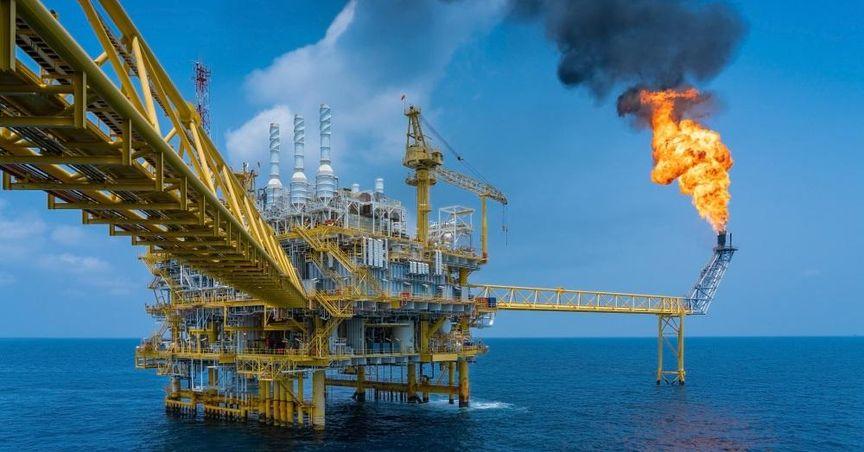
Shell (LSE:SHEL) set the tone for London's blue-chip market this week after the energy major flagged significantly stronger gas trading for its latest quarter and nudged up its gas production expectations, sending its shares sharply higher and pulling rival energy names along for the ride. The pre-results guidance, issued ahead of the group's formal quarterly reporting, was the clearest signal in months that Shell's vast trading operation is once again generating outsized returns.
The market reaction was emphatic. Shell finished among the strongest performers in the top flight on the day of the announcement, energy peers advanced in sympathy, and the sector was credited with keeping the wider index in positive territory during an otherwise uneven session. When the largest company on the London market moves decisively, the whole tape tends to feel it — and that is precisely what unfolded.
What Is Driving The Strength In Gas Trading?
Shell's integrated gas division combines liquefied natural gas production with one of the world's biggest energy trading desks, and volatility is its friend. Choppy global gas markets, shifting cargo flows and weather-driven demand swings all create opportunities for a trader with Shell's scale and information advantage. The company's indication that trading results would come in well ahead of the prior quarter suggests those conditions have been unusually favourable of late.
How Did Geopolitics Amplify The Move?
The guidance landed just as crude prices pushed higher on reports of attacks on vessels near the Strait of Hormuz, the world's most important oil chokepoint. Fears of disruption to shipping through the waterway put a risk premium back into energy markets, giving investors a second reason to rotate towards producers. For a FTSE 100 heavyweight like Shell, the combination of company-specific good news and a supportive macro backdrop is a potent mix, and it showed in the breadth of the sector's advance.
What Comes Next For Shareholders?
Attention now shifts to the formal quarterly results, where the market will scrutinise cash generation, the pace of shareholder distributions and any comment on capital discipline. Shell's management has repeatedly emphasised cost control and returns over volume growth, and investors will want confirmation that the strong trading quarter feeds through to buybacks and dividends rather than higher spending.
