
 AUS
AUS
 NZ
NZ
 UK
UK
 CA
CA
 USA
USA
 IND
IND





Highlights
- Energy Transfer operates extensive pipeline infrastructure
- Midstream systems connect production and processing hubs
- Integrated networks support hydrocarbon transportation
Energy Transfer LP (NYSE:ET) operates as a major midstream energy infrastructure company responsible for transporting, storing, and processing hydrocarbons across large pipeline networks. The organization manages an integrated system designed to move natural gas, natural gas liquids, crude oil, and refined petroleum products between production areas, processing facilities, and distribution hubs. Through gathering pipelines, storage terminals, and transportation systems, Energy Transfer supports the movement of energy commodities required by industrial operations, utilities, and downstream manufacturing activities. The company’s operations form part of the broader midstream segment of the energy sector, where infrastructure plays a central role in connecting production basins with refining centers and distribution markets. These systems provide logistical support for energy supply chains that depend on reliable transportation networks capable of moving hydrocarbons efficiently across long distances.
How do pipeline systems support supply chains?
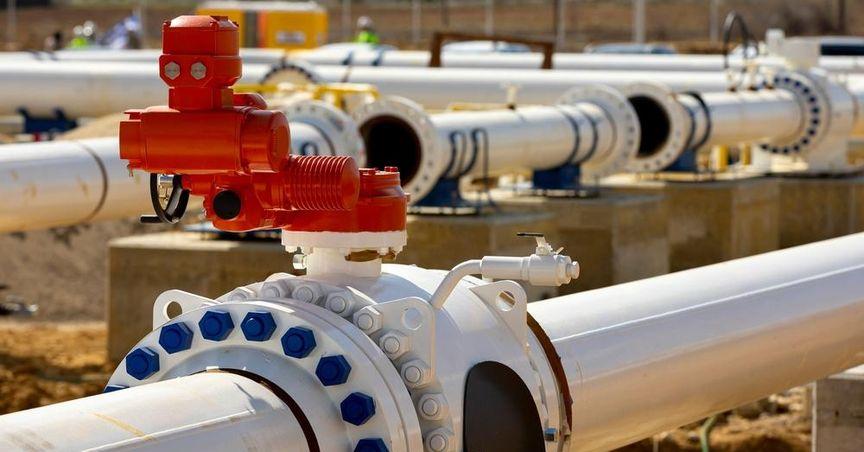
Pipeline infrastructure represents one of the most important components of the energy supply chain. Energy Transfer operates large-scale transportation systems designed to move hydrocarbons from producing regions to processing plants and distribution centers. These pipeline systems function as continuous transportation corridors that allow raw hydrocarbons to travel safely across long distances while maintaining steady flow conditions. The networks often connect upstream production sites with midstream processing hubs where hydrocarbons are prepared for distribution to downstream markets. By linking these different segments of the energy supply chain, pipelines ensure that natural gas, crude oil, and related products reach refineries, petrochemical facilities, and energy consumers in a reliable manner. The transportation of hydrocarbons through pipelines reduces the need for other forms of transportation while maintaining efficiency and consistency within energy distribution systems that support industrial and commercial activity.
What role do storage facilities perform?
Storage infrastructure plays a critical role in balancing supply and demand within the energy industry. Energy Transfer operates storage terminals designed to hold natural gas, natural gas liquids, crude oil, and refined products before they move further along the supply chain. Storage facilities provide flexibility for producers, processors, and distributors by allowing hydrocarbons to be temporarily stored before shipment to downstream markets. These facilities may include underground storage caverns, aboveground tanks, and specialized terminals located near pipeline junctions or processing centers. By maintaining storage capacity within transportation networks, energy companies ensure that hydrocarbon supplies remain available during periods of fluctuating production or transportation schedules. Storage systems also support the efficient management of pipeline flow by allowing hydrocarbons to be directed toward storage locations when transportation networks reach capacity, ensuring stable operations throughout the energy distribution infrastructure.
How does midstream processing operate?
Midstream processing facilities transform raw hydrocarbons into usable components suitable for transportation and industrial use. Energy Transfer operates processing plants that separate and treat natural gas and natural gas liquids before these resources move into distribution networks. Natural gas processing involves removing impurities and separating hydrocarbon components into different products such as methane, propane, and butane. These products are then transported to different industrial markets depending on their chemical characteristics and energy applications. Processing facilities typically operate alongside gathering systems that collect hydrocarbons from production wells and transport them to treatment plants. By performing these separation and treatment operations, midstream processing infrastructure prepares hydrocarbons for transportation through long-distance pipelines while ensuring they meet quality standards required for downstream distribution and industrial use.
What functions gathering networks perform?
Gathering systems represent the initial stage of hydrocarbon transportation infrastructure within the energy supply chain. Energy Transfer LP (NYSE:ET) operates gathering pipelines designed to collect raw hydrocarbons from production areas and transport them toward processing plants and transportation networks. These gathering systems connect individual wells and production sites with centralized infrastructure that prepares hydrocarbons for long-distance transportation. Gathering pipelines are typically located within producing regions where hydrocarbons are extracted from underground formations. By linking production wells to processing facilities, gathering networks ensure that hydrocarbons move efficiently from extraction points into the broader midstream infrastructure. The reliability of gathering systems is essential for maintaining continuous flow throughout pipeline networks that support the movement of hydrocarbons across industrial supply chains.
How do fractionation plants operate?
Fractionation facilities represent specialized processing plants designed to separate mixed hydrocarbon liquids into individual components. Energy Transfer operates fractionation systems that divide natural gas liquids into separate products such as propane, butane, and other hydrocarbons. These separated components are then transported through pipelines or storage terminals for distribution to industrial users, petrochemical manufacturers, and energy consumers. Fractionation plants function by applying controlled temperature and pressure conditions that allow different hydrocarbon molecules to separate according to their chemical properties. This separation process enables midstream companies to deliver specific hydrocarbon products tailored to different industrial applications. Fractionation infrastructure forms an essential part of the midstream energy system because it prepares natural gas liquids for use in petrochemical production, fuel blending, and other industrial processes.
