
 AUS
AUS
 NZ
NZ
 UK
UK
 CA
CA
 USA
USA
 IND
IND





Highlights
- DT Midstream operates integrated energy infrastructure
- Natural gas systems connect production and markets
- Processing networks support hydrocarbon transportation
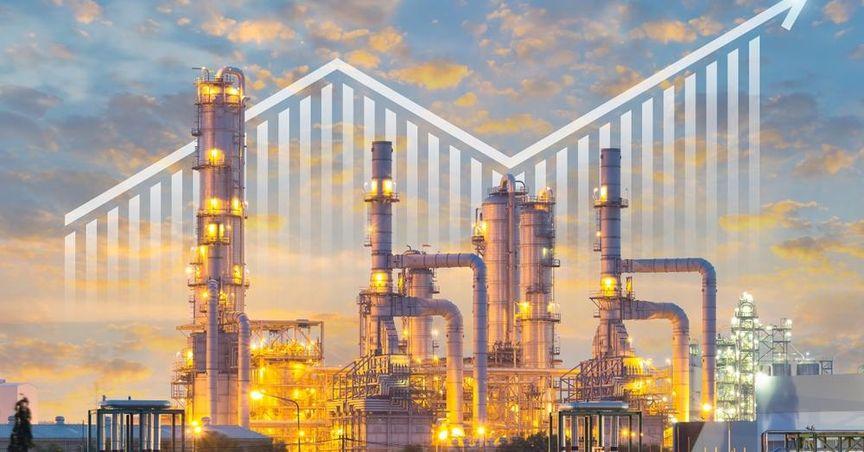
DT Midstream, Inc. (NYSE:DTM) operates as an energy infrastructure company focused on gathering, processing, and transporting hydrocarbon resources through an interconnected network of pipelines and facilities. The company functions within the broader energy services landscape that interacts with the Nyse Composite Index, where infrastructure businesses support essential supply chain operations for natural gas and related resources. Through midstream systems that include gathering pipelines, processing plants, and produced-water management facilities, DT Midstream provides operational connections between production areas and downstream distribution networks. These infrastructure assets play a critical role in enabling hydrocarbons extracted from wells to move efficiently toward markets while maintaining stable transportation and processing capabilities that support energy distribution across multiple commercial and industrial sectors.
Integrated Natural Gas Infrastructure Systems
DT Midstream operates infrastructure designed to connect natural gas production with transportation and downstream markets. Gathering pipelines collect hydrocarbons directly from production sites and transport them to centralized facilities where processing and treatment operations occur. This midstream infrastructure ensures that natural gas can move efficiently from wellheads into large pipeline networks that distribute energy resources to industrial users, utilities, and commercial systems. Processing facilities within the network remove impurities and separate natural gas liquids before the product continues through transportation pipelines. These systems are essential components of the energy value chain because they support the reliable movement of hydrocarbon streams between upstream production and downstream consumption. By maintaining integrated gathering and processing operations, DT Midstream helps maintain the continuity of natural gas supply throughout broader energy distribution systems.
Cryogenic Processing And Resource Separation
Cryogenic processing technology plays an important role in separating hydrocarbon components within natural gas streams. DT Midstream operates cryogenic facilities that cool natural gas to extremely low temperatures, allowing natural gas liquids to condense and separate from methane gas. This separation process enables the recovery of valuable hydrocarbon products such as ethane, propane, and butane that are later transported for industrial and commercial uses. These processing operations enhance the value of raw natural gas streams by isolating components that serve as feedstocks for chemical production and fuel applications. Cryogenic plants also ensure that processed natural gas meets quality standards required for pipeline transportation systems. Through these specialized facilities, DT Midstream supports the transformation of raw hydrocarbon streams into refined energy resources ready for distribution through national and regional pipeline networks.
Produced Water Handling And Treatment
Energy production often generates produced water alongside hydrocarbon extraction. Managing this byproduct requires specialized infrastructure capable of collecting, transporting, and treating water safely. DT Midstream operates systems designed to gather produced water from production sites and transport it to treatment or disposal facilities where environmental standards are maintained. Produced water handling infrastructure includes pipelines, storage systems, and treatment facilities that manage water resources associated with hydrocarbon extraction. Proper water management ensures that energy operations continue efficiently while maintaining compliance with environmental regulations governing water disposal and treatment. Through integrated produced-water management systems, midstream infrastructure companies help maintain responsible operational practices across hydrocarbon production regions while supporting the overall stability of energy production operations.
Natural Gas Liquids Fractionation Processes
Natural gas liquids separated during cryogenic processing require additional refinement through fractionation processes. DT Midstream participates in infrastructure systems that separate these liquids into individual hydrocarbon products such as ethane, propane, and other components used across energy and manufacturing sectors. Fractionation facilities heat and separate mixed natural gas liquids into individual streams that can be transported for industrial use. These refined components often serve as feedstocks for petrochemical manufacturing, heating fuels, and energy products used in various industries. Fractionation infrastructure therefore represents an essential stage within the broader hydrocarbon supply chain, transforming mixed liquid streams into usable products ready for downstream markets. Through participation in these processes, DT Midstream contributes to the operational efficiency of natural gas liquids distribution systems within the energy sector.
Energy Transportation Networks Supporting Markets
Pipeline transportation networks form the backbone of hydrocarbon distribution across energy markets. DT Midstream operates gathering pipelines that move natural gas from production areas toward larger transmission systems connecting regional and national markets. These pipeline networks maintain continuous flow of hydrocarbons between upstream extraction sites and downstream energy consumers. Infrastructure systems must maintain reliable operational performance while handling complex transportation demands across energy regions. Pipeline operations also require monitoring technologies and maintenance programs to ensure safe and consistent movement of hydrocarbon streams through extensive pipeline corridors. Through its gathering and processing infrastructure, DT Midstream contributes to the operational continuity of energy transportation systems that support natural gas supply chains throughout industrial and commercial markets.
Infrastructure Role Within Energy Ecosystem
Midstream energy infrastructure companies occupy a central position within the hydrocarbon value chain. While upstream operations focus on extraction and downstream sectors focus on distribution or consumption, midstream companies maintain the infrastructure required to move resources between these stages. DT Midstream provides gathering pipelines, processing facilities, and transportation systems that bridge the operational gap between production and distribution networks. These infrastructure systems ensure that hydrocarbons extracted from wells are processed, treated, and transported in forms suitable for energy markets. Within broader financial discussions, infrastructure companies such as DT Midstream often appear among industrial firms represented by market indicators like the Nyse Composite, which reflects activity across diverse sectors including energy services and infrastructure operations.
Operational Systems Supporting Hydrocarbon Flow
Maintaining continuous hydrocarbon flow across gathering networks requires coordinated operational systems and infrastructure management. DT Midstream operates integrated control systems that monitor pipeline pressure, temperature conditions, and flow rates throughout its infrastructure network. These monitoring technologies ensure that hydrocarbon streams move efficiently through pipelines and processing facilities while maintaining safe operating conditions. Operational teams oversee maintenance programs designed to ensure reliability of pipeline systems, compression equipment, and processing plants. The coordination between gathering pipelines and processing facilities allows hydrocarbons to move seamlessly from extraction sites into downstream transportation networks. Through these operational systems, midstream infrastructure companies maintain the technical reliability required to sustain energy transportation across regional and national markets.
Strategic Infrastructure Supporting Energy Supply
Energy infrastructure plays a fundamental role in maintaining stable hydrocarbon supply chains. DT Midstream, Inc. (NYSE:DTM) contributes to this infrastructure by operating systems that gather, process, and transport natural gas and related hydrocarbon streams across energy regions. These operations enable energy resources extracted from production areas to reach industrial facilities, utilities, and distribution networks. Infrastructure networks also support energy market stability by ensuring that hydrocarbon resources remain accessible through reliable transportation and processing capabilities. Within broader market frameworks that include indicators, infrastructure companies demonstrate the essential role of midstream operations in maintaining energy logistics systems that underpin modern energy supply chains across multiple industries.
