
 AUS
AUS
 NZ
NZ
 UK
UK
 CA
CA
 USA
USA
 IND
IND





Highlights
- Data centers are lifting power demand expectations.
- Nuclear energy is gaining renewed attention.
- Renewable developers remain central to grid expansion.
Surging data-center electricity demand is changing the clean power outlook, lifting attention on nuclear operators, renewable developers, storage assets, and grid reliability across energy-linked market themes.
Data centers are no longer just a technology story; they are becoming one of the most important power demand stories in modern markets. As artificial intelligence infrastructure expands, companies such as Vistra Corp (NYSE:VST), a major power generation and retail electricity business, are gaining attention for their role in keeping large digital facilities supplied with reliable energy. This changing landscape is also shaping broader sentiment around the S&P 500, where artificial intelligence, cloud computing, and energy-linked technology themes continue to overlap.
Data Center Demand Reshapes Power Markets
The rapid growth of artificial intelligence has changed the way power markets are being discussed. Advanced computing systems require enormous amounts of electricity, and data centers need that power continuously. Unlike many commercial facilities, these sites cannot simply reduce energy usage during periods of stress without affecting operations.
This has created a new challenge for utilities, grid operators, and power producers. Load forecasts that once looked stable are being revised as large data-center campuses move through planning, approval, and construction. Regions with strong transmission access, favorable business conditions, and available land are seeing heavier interest from technology infrastructure developers.
The central issue is reliability. Data centers need steady electricity during the day, at night, in extreme weather, and during periods of peak demand. That requirement has increased attention on generation assets that can operate consistently, as well as renewable projects supported by storage and grid upgrades.
Nuclear Energy Gains Fresh Relevance
Nuclear power has moved back into the center of the clean energy conversation because of its ability to generate electricity around the clock. While solar and wind remain vital to the energy transition, their output varies with weather and time of day. Nuclear plants offer stable baseload power, making them attractive for large electricity users that need constant supply.
Constellation Energy (NASDAQ:CEG) is a leading United States nuclear power operator with a large fleet of carbon-free generation assets. The company has become closely watched as technology firms seek long-term power arrangements that can support data-center expansion.
The renewed interest in nuclear energy shows how market priorities are shifting. Clean power is no longer only about generation without carbon emissions. It is also about dependable supply, grid stability, and the ability to serve large industrial-scale power users without interruption.
Vistra Builds A Flexible Power Story
Vistra has drawn attention because its portfolio includes nuclear generation, natural gas-fired plants, battery storage, and retail electricity operations. That combination gives the company exposure to several important parts of the power demand cycle.
Its nuclear assets provide steady generation, while oil & gas stock plants can respond quickly when demand rises or renewable output weakens. Battery storage adds another layer of flexibility by helping balance supply and demand during shifting grid conditions.
This mix has made Vistra part of the broader discussion around dispatchable power. In an energy system adding more solar and wind, fast-response generation and storage can help maintain reliability while the grid adjusts to changing demand patterns.
NextEra Leads Renewable Scale
NextEra Energy (NYSE:NEE) is a major utility and renewable energy developer known for large-scale wind, solar, storage, and regulated electricity operations. The company remains central to the clean power build-out because of its scale, project pipeline, and long operating history in renewables.
Data-center operators continue looking for cleaner electricity sources, and renewable energy agreements remain an important part of that strategy. While renewables alone may not solve every reliability challenge, they are expected to remain a major part of future power supply planning.
NextEra Energy Partners (NYSE:NEP) is an affiliated clean energy income-oriented business connected to renewable assets and energy infrastructure. Its presence adds another layer to the broader NextEra ecosystem, especially for readers tracking contracted clean energy assets.
Renewable Supply Chains Recover Slowly
The renewable energy industry has faced supply chain challenges, permitting delays, and grid interconnection bottlenecks. Even when demand is strong, projects can take time to move from planning to operation.
First Solar (NASDAQ:FSLR) is a solar technology company focused on thin-film solar modules, with a major role in utility-scale solar supply. Its domestic manufacturing profile has made it an important name in renewable equipment discussions.
Enphase Energy (NASDAQ:ENPH) is a solar technology company known for microinverters, battery systems, and residential energy management products. It represents the distributed energy side of the market, where rooftop solar and home storage remain influenced by financing costs and policy changes.
SunPower (NASDAQ:SPWR) has been associated with residential solar solutions, though the rooftop solar segment has faced pressure from rate sensitivity and changing policy frameworks. The wider residential market remains more exposed to consumer financing conditions than utility-scale development.
Nuclear Fuel Draws Wider Attention
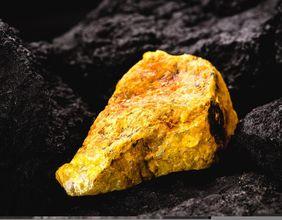
The return of nuclear power to the clean energy debate has also increased attention on uranium and reactor fuel supply chains. Nuclear generation requires long-term fuel planning, making uranium producers and fuel service providers part of the broader power security conversation.
Cameco (NYSE:CCJ) is a major uranium producer involved in supplying nuclear fuel markets. As nuclear power gains renewed relevance, companies linked to uranium production are being viewed through the lens of long-term reactor demand.
NuScale Power (NYSE:SMR) is a nuclear technology company focused on small modular reactor designs. Small modular reactors are being discussed as a possible future solution for cleaner baseload power, especially where traditional large-scale nuclear projects face cost and construction challenges.
Clean Energy Meets Technology Growth
The clean power story is increasingly tied to technology growth. Artificial intelligence, cloud computing, advanced chips, and data-center infrastructure are changing electricity demand patterns across major markets.
NVIDIA (NASDAQ:NVDA) is a semiconductor and artificial intelligence computing company whose chips are widely associated with advanced AI workloads. Advanced Micro Devices (NASDAQ:AMD) is a semiconductor company that develops processors and graphics technologies used in data centers and computing systems.
Even when chip-related shares face market volatility, the long-term power needs of data centers remain a separate infrastructure issue. Once data centers are planned and constructed, they require reliable electricity for many years.
This is why the clean power theme now extends beyond traditional utilities. It connects renewable developers, nuclear operators, battery storage providers, semiconductor companies, grid planners, and infrastructure owners.
Grid Constraints Remain A Challenge
Strong demand does not automatically translate into immediate operating growth. Grid interconnection queues remain a major challenge for renewable projects. Developers may have capital, customers, and planned capacity, but transmission limitations can slow progress.
Permitting is another issue. Large clean energy projects often require local approvals, environmental reviews, land agreements, and utility coordination. These steps can delay timelines even when demand is visible.
Battery storage can help solve part of the challenge by improving flexibility, but storage also depends on supply chains, project economics, and grid rules. The companies best positioned in this environment are those with strong execution capabilities, diversified assets, and access to long-term customers.
Market Focus Moves To Execution
The next phase of the clean power story will likely depend on execution. Data-center power demand is real, but companies still need to convert that demand into contracts, completed projects, and stable cash flows.
Constellation and Vistra are being watched for nuclear-related power arrangements. NextEra remains central to renewable development. First Solar, Enphase, and other clean energy technology companies remain tied to equipment demand and policy support.
The market is also watching how utilities and regulators respond. If grid planning accelerates, clean power developers could see a more supportive environment. If transmission and permitting delays continue, the pace of deployment may remain uneven.
Clean Power Enters A New Era
The rise of artificial intelligence has changed the energy stock conversation. Power demand from data centers is pushing nuclear energy, renewables, gas flexibility, storage, and grid infrastructure into the same discussion.
This does not mean every company linked to clean power will benefit equally. Some firms offer baseload generation, some develop renewable projects, some provide equipment, and others support fuel supply or emerging nuclear technology.
What is clear is that electricity has become a strategic resource in the AI era. Clean energy companies are no longer being viewed only through environmental goals. They are increasingly being assessed through reliability, scalability, and their ability to support the digital economy.
