
 AUS
AUS
 NZ
NZ
 UK
UK
 CA
CA
 USA
USA
 IND
IND





Highlights
- Overview of Antero Midstream’s midstream energy operations and infrastructure footprint
- Context on market coverage tied to the NYSE Composite ecosystem
- Summary of corporate structure, assets, and operational focus
A factual look at Antero Midstream’s midstream operations, infrastructure footprint, and sector context connected to NYSE Composite benchmark visibility and energy logistics.
The midstream energy sector focuses on transporting, gathering, and processing hydrocarbons that connect production sites to downstream markets, and Antero Midstream Corporation (NYSE:AM) operates squarely within this space. Coverage connected to the NYSE Composite provides a broader framework for understanding how midstream infrastructure companies are positioned within diversified equity benchmarks. References to the NYSE Composite index and nyse composite today often appear in market discussions that frame how infrastructure-focused entities contribute to sector representation and operational continuity across energy supply chains.
Business Model and Infrastructure Network
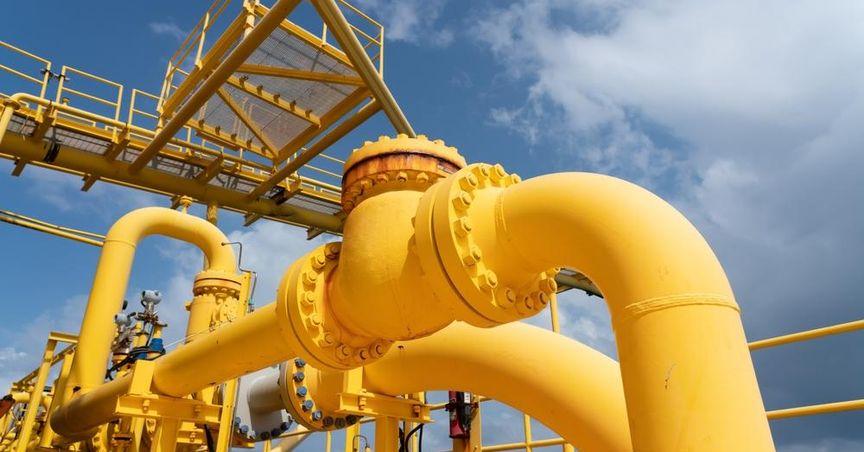
Antero Midstream Corporation (NYSE:AM) is structured as a midstream service provider that owns and operates infrastructure designed to support natural gas and associated liquids. Core assets include gathering pipelines, compression facilities, and related systems that move raw production from wellheads toward processing and transportation corridors. This network is concentrated in prolific shale regions where consistent throughput is supported by established upstream activity.
Operational design centers on integrating gathering and compression capabilities to maintain efficient flow characteristics. Pipelines form interconnected corridors that channel production volumes into centralized facilities, where compression equipment stabilizes pressure and flow. This configuration supports predictable system performance and aligns with the logistical demands of shale-based extraction.
Antero Midstream Corporation (NYSE:AM) maintains long-term commercial relationships tied to acreage dedication and throughput commitments. These arrangements are embedded within the operational framework, linking infrastructure capacity with upstream development patterns. The result is a coordinated system in which pipeline routing, compression placement, and facility expansion reflect regional production characteristics rather than isolated asset deployment.
Geographic Footprint and Asset Integration
Asset concentration within Appalachian shale formations defines the geographic identity of Antero Midstream Corporation (NYSE:AM). Infrastructure spans multiple producing areas, where gathering lines branch into compression hubs that prepare volumes for downstream transfer. This layout reduces bottlenecks by distributing mechanical support along the transportation pathway.
Integration between gathering and compression is engineered to handle variable production profiles common in shale environments. Equipment placement anticipates shifting well performance, allowing the system to accommodate evolving flow conditions. Facility design emphasizes modular expansion, enabling incremental capacity additions without redesigning the entire network.
Coordination with downstream processors and transporters forms another layer of integration. Pipeline interconnections are configured to link with regional takeaway capacity, supporting continuous movement of hydrocarbons beyond the initial gathering stage. This interconnected structure reflects the broader ecosystem in which midstream operators function as logistical bridges between extraction zones and end-market infrastructure.
Corporate Structure and Operational Focus
Antero Midstream Corporation (NYSE:AM) was established as a dedicated midstream entity focused on servicing shale production with specialized infrastructure. Organizational emphasis remains on asset reliability, system uptime, and coordinated maintenance practices. Engineering teams oversee pipeline integrity programs, compression performance monitoring, and facility upgrades designed to sustain operational continuity.
Operational focus includes routine inspection cycles, mechanical servicing, and system optimization. Data-driven monitoring tools track pressure, flow, and equipment behavior across the network. These inputs inform maintenance scheduling and capacity planning, reinforcing stable asset performance over extended operating periods.
Capital deployment is directed toward infrastructure expansion, system reinforcement, and technology integration. Projects are evaluated within the context of regional production activity, ensuring that new installations align with existing pipeline corridors and compression clusters. This approach emphasizes network cohesion rather than isolated asset growth.
Market Context and Benchmark Visibility
Visibility within benchmark discussions tied to the NYSE Composite index situates Antero Midstream Corporation (NYSE:AM) among a broad cross-section of listed companies representing diverse sectors. Energy infrastructure participation contributes to index composition by reflecting the logistical backbone that supports commodity movement.
Market references to nyse composite today often highlight sector diversity and operational specialization. Within that landscape, midstream entities represent a functional segment centered on transportation and processing infrastructure. Their inclusion underscores the role of physical asset networks in sustaining energy distribution frameworks.
Benchmark alignment does not alter day-to-day operations, yet it frames how infrastructure companies are categorized within broader equity groupings. This context supports comparative sector mapping, where transportation-focused energy businesses are distinguished by asset intensity, regional footprint, and integrated service models.
Operational Systems and Technical Capabilities
Technical capabilities within the Antero Midstream Corporation (NYSE:AM) network emphasize system resilience and flow management. Compression stations are engineered to regulate pressure gradients, enabling efficient movement through gathering lines. Control systems integrate sensors and automation platforms that provide real-time operational visibility.
Pipeline materials and construction standards are selected to match terrain, environmental conditions, and throughput requirements. Protective coatings, monitoring technologies, and inspection protocols are embedded into lifecycle management practices. These measures support consistent mechanical performance and regulatory alignment.
Facility layouts prioritize accessibility for maintenance crews and equipment servicing. Modular configurations allow component replacement and upgrades without extensive system shutdowns. This design philosophy reflects an operational commitment to continuity and infrastructure longevity.
Industry Role and Functional Positioning
Within the broader energy value chain, Antero Midstream Corporation (NYSE:AM) occupies the transitional stage between extraction and downstream processing. Gathering infrastructure aggregates production streams, while compression stabilizes transport conditions. This functional positioning supports efficient linkage between wellhead output and regional pipeline networks.
Midstream operations are inherently asset-driven, relying on durable equipment, engineered routing, and coordinated scheduling. System performance is shaped by throughput consistency, mechanical reliability, and geographic alignment with producing regions. These characteristics define how infrastructure providers contribute to supply chain stability.
Sector participation tied to the NYSE Composite highlights the intersection of physical infrastructure and public market representation. Energy transportation assets form a distinct category within that framework, emphasizing the operational foundations that enable commodity movement across large geographic areas.
