
 AUS
AUS
 NZ
NZ
 UK
UK
 CA
CA
 USA
USA
 IND
IND





Highlights
- Midstream energy infrastructure operator supporting natural gas and liquids transportation across key United States shale regions.
- Recent market activity highlighted by elevated trading levels and continued attention to operational performance.
- Infrastructure network connects upstream production areas with processing and transportation systems.
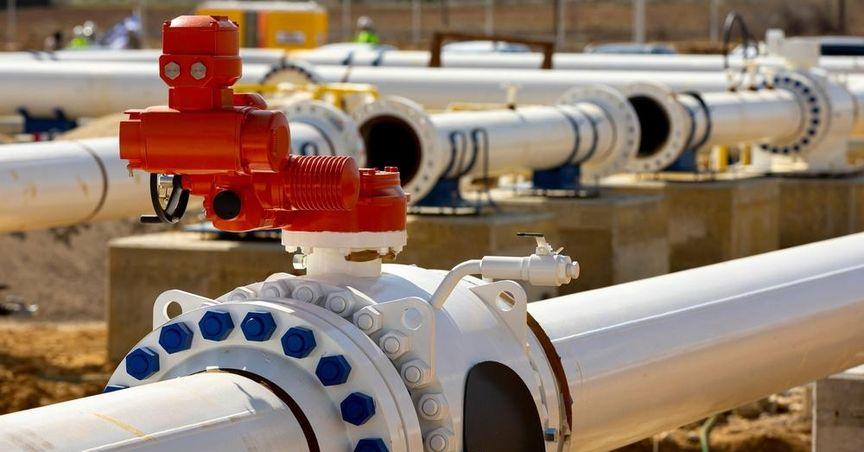
Overview of Antero Midstream pipeline networks, compression infrastructure, and shale basin operations, highlighting midstream energy logistics linked with companies represented in the russell 1000.
The energy infrastructure sector plays a vital role in transporting and processing hydrocarbons produced across North American shale formations. Companies operating pipelines, compression facilities, and related systems form the backbone of energy logistics supporting production and distribution networks. Antero Midstream Corporation (NYSE:AM) operates within this midstream segment, providing gathering and processing infrastructure tied to natural gas production regions. Activity within companies of this sector often appears alongside broader benchmarks such as the russell 1000, which tracks major publicly traded corporations across diverse industries.
Midstream operators typically function between upstream producers and downstream transportation or processing systems. These services include gathering pipelines that move hydrocarbons from production sites to centralized processing facilities, along with compression stations that maintain pressure and flow across pipeline networks.
Infrastructure Across Appalachian Energy Basins
Operations conducted by Antero Midstream Corporation (NYSE:AM) focus primarily on infrastructure serving natural gas development within the Appalachian Basin. This region includes major shale formations known for substantial natural gas production. Midstream systems in the basin support the movement of gas and natural gas liquids from well sites toward processing facilities and interstate pipelines.
Gathering pipelines form a core element of the company’s operational footprint. These pipelines collect hydrocarbons from numerous well pads and transport them through interconnected networks toward centralized processing locations. Compression facilities positioned along these networks help maintain efficient gas flow by regulating pressure within the pipeline system.
In addition to gathering services, the company maintains water infrastructure used in shale production activities. Water handling systems assist producers by transporting fresh water used during drilling and hydraulic fracturing operations while also managing wastewater generated during production.
Processing infrastructure also contributes to operational capability. Natural gas liquids extracted during processing are separated and prepared for transportation through specialized pipelines and distribution networks serving downstream markets.
Operational Performance and Market Activity
Recent trading sessions reflected notable activity surrounding Antero Midstream Corporation (NYSE:AM), with shares reaching elevated levels during intraday transactions. Such movements often coincide with broader developments affecting the energy sector, including natural gas production trends and infrastructure utilization levels across major shale basins.
Midstream companies generally generate revenue through long-term service agreements connected to energy transportation and processing infrastructure. These arrangements allow producers to move hydrocarbons through established pipeline networks and processing systems linking upstream wells with downstream markets.
Operational performance for companies in this sector often depends on production levels within the regions served by their infrastructure networks. Increased drilling activity in nearby shale formations can lead to higher utilization across gathering pipelines, compression stations, and processing facilities.
Within the broader financial markets environment associated with the Russell 1000 index, energy infrastructure providers remain an essential component of the energy supply chain. Midstream operators support consistent transportation and processing services required to move hydrocarbons from production fields to processing hubs and national pipeline systems.
Role in Natural Gas Transportation
Natural gas remains a key component of the United States energy system, serving power generation facilities, industrial users, and residential heating markets. Infrastructure companies such as Antero Midstream maintain the logistical systems necessary to move gas efficiently across production regions and into broader distribution networks.
Pipeline systems within the Appalachian Basin connect shale wells to regional processing plants where raw gas undergoes separation and treatment. During this process, impurities and natural gas liquids are removed to produce pipeline-quality natural gas suitable for transportation through interstate networks.
Compression infrastructure supports the continuous movement of gas through gathering systems. Gas pressure naturally declines as it travels through pipelines, making compression stations essential to maintaining steady flow toward processing facilities and downstream pipeline networks.
Water infrastructure also forms a critical part of shale energy production. Hydraulic fracturing requires substantial water resources, and specialized pipeline systems allow producers to transport water between storage facilities, drilling sites, and treatment operations.
These integrated systems enable producers to maintain efficient operations across extensive shale development areas. The midstream infrastructure supporting these activities contributes to the stability and continuity of energy transportation across the Appalachian region.
Institutional Participation and Energy Sector Visibility
Energy infrastructure companies frequently attract attention from institutional portfolio managers and asset management organizations that maintain exposure to energy sector businesses. Institutional participation often influences trading volumes and market visibility across large-capitalization energy firms.
Within the broader landscape of United States public markets, midstream energy companies operate alongside technology firms, financial institutions, and industrial corporations included in diversified benchmarks. Infrastructure providers supporting hydrocarbon transportation remain an important component of the energy value chain.
The ongoing development of shale resources across North America has expanded the role of midstream infrastructure in linking upstream production areas with downstream markets. Pipeline networks, processing facilities, and water management systems collectively support the operational ecosystem surrounding natural gas extraction and transportation.
