
 AUS
AUS
 NZ
NZ
 UK
UK
 CA
CA
 USA
USA
 IND
IND





Highlights
- Venture Global ranks among major LNG exporters operating from the United States.
- LNG infrastructure development remains central to expanding export capacity.
- Global supply disruptions have increased attention on alternative LNG sources.
Venture Global develops LNG export infrastructure, serving international energy markets through Gulf Coast facilities while participating in the broader NYSE Composite Index .
NYSE Composite Index constituents span a wide range of industries, including the energy sector. Venture Global (NYSE:VG) operates within the liquefied natural gas industry, a sector focused on the production, processing, transportation, and export of LNG to international markets. The company develops large-scale LNG export facilities along the U.S. Gulf Coast and supplies global customers through long-term commercial agreements. Growing demand for natural gas across multiple regions has contributed to increased attention on LNG infrastructure and export capacity.
LNG Export Operations
Venture Global develops, constructs, and operates LNG export projects designed to connect North American natural gas resources with overseas markets. Operations are centered on transforming natural gas into liquefied form for transportation by specialized vessels. The company’s facilities are positioned near major energy corridors and shipping routes, supporting access to international customers.
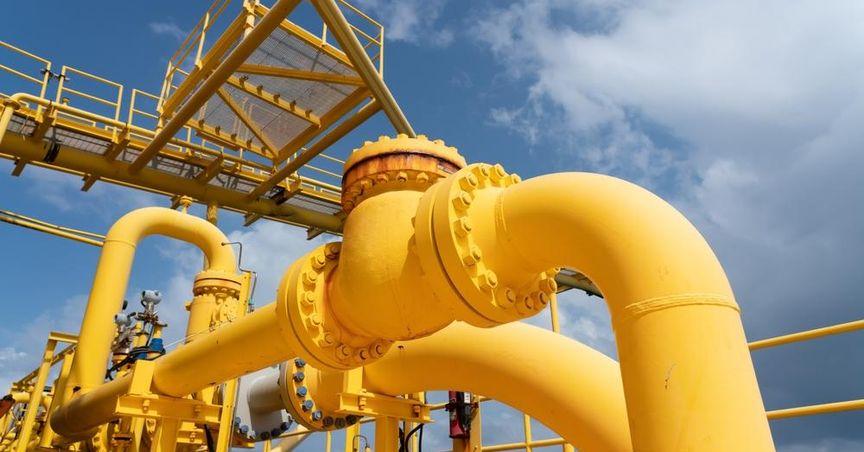
Several projects have been developed with a focus on scalable infrastructure and integrated logistics. These assets include liquefaction facilities, storage systems, marine loading capabilities, and related pipeline connections. Such infrastructure forms an important part of the broader U.S. LNG export network.
Position Within the Energy Industry
The company is part of the Energy Stocks category and participates in a segment that has experienced substantial infrastructure expansion during the past decade. Increased natural gas production in the United States has supported the development of export terminals capable of serving Europe, Asia, and other regions.
Energy security considerations in multiple countries have also elevated the role of LNG as a flexible fuel source. Export terminals located along the Gulf Coast have become significant components of global natural gas trade, linking domestic production with international demand centers.
Project Portfolio and Infrastructure
The company’s project portfolio includes large-scale LNG facilities developed to support long-term export activity. Construction efforts involve extensive engineering work, environmental compliance processes, marine infrastructure, and pipeline connectivity.
Operational facilities are supported by storage tanks, liquefaction trains, and shipping infrastructure that enable LNG cargoes to move efficiently from production regions to global markets. These assets contribute to the broader U.S. energy export framework.
In the middle of ongoing industry developments, references to the NYSE Composite Index often highlight the diverse mix of companies participating in sectors such as energy, manufacturing, transportation, and services. LNG exporters represent one component of that broader market landscape.
Global LNG Market Environment
Recent geopolitical developments have affected global LNG trade flows. Supply disruptions in certain producing regions have altered shipping patterns and encouraged importers to diversify sources of natural gas. Market participants across Europe and Asia have continued to evaluate supply security, storage capacity, and long-term sourcing arrangements.
Reduced LNG availability from some exporting nations has increased attention on producers and exporters capable of supplying additional volumes. U.S.-based LNG infrastructure has therefore remained an important contributor to global energy distribution networks.
Geographic Presence
Operations are primarily concentrated in the United States, particularly along the Gulf Coast, where access to natural gas resources, pipelines, and maritime transportation infrastructure supports LNG exports. International reach extends through commercial relationships with customers across several regions.
Export cargoes are transported through established shipping channels and delivered to utilities, industrial users, and energy distributors. This geographic footprint reflects the interconnected nature of the global LNG industry.
Industry Trends and Sector Developments
The LNG industry continues to experience developments related to infrastructure construction, technological improvements, emissions management initiatives, and shipping efficiency. Expansion of liquefaction capacity remains a key theme across major exporting nations.
Within the broader Oil and Gas Stocks category, LNG-focused companies occupy a specialized segment dedicated to processing and exporting natural gas. New facilities, supply agreements, and transportation investments continue to shape industry activity.
Venture Global (NYSE:VG) remains associated with the ongoing buildout of LNG export infrastructure in the United States. Company activities reflect broader sector trends centered on liquefaction capacity, export logistics, and international natural gas trade. As part of the diverse group of companies represented by the NYSE Composite Index , operations remain linked to developments across the global energy landscape.
