
 AUS
AUS
 NZ
NZ
 UK
UK
 CA
CA
 USA
USA
 IND
IND


_06_09_2026_05_17_32_467878.jpg)

Highlights
- Technology and semiconductor companies helped lift broader market sentiment
- Easing geopolitical tensions supported investor confidence across sectors
- Artificial intelligence and cloud infrastructure themes remained central market drivers
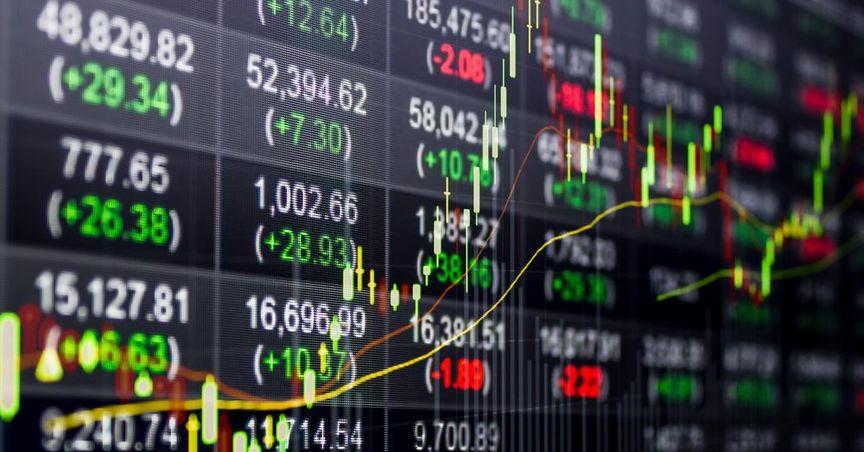
Wall Street gained support from technology and semiconductor stocks as artificial intelligence, cloud computing, and improving sentiment influenced market activity.
U.S. equity markets experienced a mixed but generally positive trading session as technology stocks and semiconductor companies rebounded following a period of heightened volatility. Investor attention remained focused on developments across the technology sector, easing geopolitical concerns, and evolving expectations surrounding economic conditions. Market activity highlighted the continued importance of innovation-driven industries as participants assessed opportunities within a rapidly changing investment landscape. Recent movements across major indices reflected broader themes shaping financial markets, including artificial intelligence adoption, digital infrastructure expansion, and shifting sentiment toward growth-oriented sectors.
Technology Stocks Regain Market Leadership
Technology companies once again emerged as a major source of market strength. The sector continues playing a central role in broader market performance because of its influence on innovation, productivity, and digital transformation.
Businesses across industries increasingly depend on software, cloud computing, artificial intelligence, and digital infrastructure solutions to support operations. As a result, technology companies remain closely connected to long-term economic and commercial trends.
Many companies categorized among Technology Stocks continue benefiting from increased demand for advanced computing capabilities, data management solutions, and artificial intelligence applications. These trends remain influential across global markets.
The renewed strength within technology shares reflected broader confidence in the sector’s ongoing role in shaping future business activity.
Semiconductor Industry Remains a Key Market Focus
Semiconductor companies attracted significant attention as investors revisited the sector following recent selling pressure. Chipmakers continue occupying a critical position within the global technology ecosystem because semiconductors support everything from cloud computing and artificial intelligence to consumer electronics and industrial systems.
The growing demand for advanced computing power has increased the strategic importance of semiconductor manufacturers. Businesses developing artificial intelligence platforms, cloud services, and digital infrastructure frequently rely on increasingly sophisticated chip technologies.
The semiconductor industry remains closely linked to broader technological innovation. As organizations expand investments in digital capabilities, chipmakers continue serving as foundational contributors to technology development.
Recent market activity highlighted the continued relevance of semiconductors as a driver of technology sector performance.
Artificial Intelligence Continues Influencing Market Sentiment
Artificial intelligence remains one of the most influential themes across financial markets. Companies involved in software development, cloud infrastructure, data management, and advanced computing continue attracting attention because of their connection to AI-driven innovation.
Organizations across multiple sectors are evaluating artificial intelligence applications designed to improve efficiency, automate processes, and enhance customer experiences. This widespread interest continues supporting investment in supporting technologies and infrastructure.
Artificial intelligence has also encouraged businesses to increase spending on computing resources, cloud services, and advanced analytics platforms. These developments have contributed to broader enthusiasm surrounding technology-related industries.
The continued expansion of AI capabilities remains an important factor shaping market discussions and sector performance.
Geopolitical Developments Influence Investor Confidence
Global markets frequently respond to geopolitical developments that may influence economic stability, trade activity, and energy markets. Recent signs of reduced tensions in the Middle East contributed to improved sentiment across several sectors.
Investors often monitor geopolitical developments because of their potential impact on commodity markets, international trade, and global economic activity. Reduced uncertainty can support confidence and encourage broader participation across financial markets.
While geopolitical events remain difficult to predict, their influence on investor sentiment remains significant. Market participants continue evaluating developments that may affect economic conditions and business activity.
The relationship between global events and financial markets remains an important consideration for investors and businesses alike.
Cloud Infrastructure Continues Expanding
Cloud computing remains one of the most important growth areas within the technology sector. Organizations increasingly rely on cloud-based systems to support data storage, application development, collaboration, and artificial intelligence workloads.
The expansion of cloud infrastructure reflects broader efforts by businesses to modernize operations and improve scalability. Cloud service providers continue investing in technology designed to support increasingly complex digital environments.
As artificial intelligence adoption grows, cloud infrastructure has become even more important because many AI applications depend on substantial computing resources and data processing capabilities.
Cloud computing remains closely connected to broader digital transformation trends influencing industries worldwide.
Market Volatility Reflects Changing Expectations
Financial markets often experience periods of volatility as participants respond to economic indicators, corporate developments, and broader market conditions. Shifts in expectations surrounding economic growth, monetary policy, and sector performance can influence trading activity across multiple asset classes.
Technology shares have experienced periods of both strong gains and notable pullbacks as investors assess long-term growth prospects alongside broader economic developments. These fluctuations remain a normal part of market cycles.
Market participants frequently evaluate opportunities across sectors while adjusting expectations in response to evolving information. This process contributes to the dynamic nature of equity markets.
Volatility continues reflecting the interaction between optimism, uncertainty, and changing economic conditions.
Consumer Technology Remains a Competitive Arena
Consumer technology companies continue competing to develop products and services that address evolving customer expectations. Smartphones, software ecosystems, cloud services, and artificial intelligence tools remain important areas of innovation.
Technology companies frequently introduce new capabilities aimed at enhancing user experiences and expanding digital ecosystems. Product development remains a significant driver of competitive positioning within the industry.
Consumer adoption patterns often influence broader technology trends because popular products and services can shape how businesses allocate resources and pursue innovation.
The consumer technology landscape remains highly dynamic and closely connected to broader industry developments.
Digital Transformation Continues Across Industries
Digital transformation remains an important objective for organizations across healthcare, finance, retail, manufacturing, and communications sectors. Businesses continue investing in technology solutions designed to improve efficiency, support innovation, and strengthen customer engagement.
Cloud computing, artificial intelligence, data analytics, and automation remain central components of these transformation efforts. Technology providers continue developing platforms capable of supporting evolving operational requirements.
The expansion of digital transformation initiatives has contributed to sustained demand for technology infrastructure and software services. These trends remain closely connected to broader economic modernization efforts.
Technology continues influencing how organizations operate, compete, and engage customers.
Major Indices Reflect Broader Economic Themes
Market performance often provides insight into broader economic and industry trends. Developments involving technology companies, semiconductor manufacturers, and digital infrastructure providers frequently influence movements across major benchmarks.
The Nasdaq Composite remains closely associated with technology-focused businesses and innovation-driven industries. Activity within the index often reflects broader trends involving software development, cloud computing, artificial intelligence, and digital transformation.
Investors frequently monitor technology-heavy indices because they provide visibility into evolving market sentiment and industry performance.
These benchmarks continue serving as important indicators of broader developments across financial markets.
Innovation Remains Central to Market Discussions
Technology-driven innovation continues influencing market activity across multiple sectors. Artificial intelligence, cloud infrastructure, semiconductor development, and digital transformation remain among the most closely followed themes shaping investment discussions.
As organizations continue adopting advanced technologies, businesses involved in enabling digital innovation remain connected to long-term structural trends affecting the global economy. Market participants continue evaluating opportunities associated with these developments while monitoring broader economic and geopolitical conditions.
The intersection of innovation, technology adoption, and market sentiment remains a defining feature of the current investment environment.
