
 AUS
AUS
 NZ
NZ
 UK
UK
 CA
CA
 USA
USA
 IND
IND





Have you ever wondered how to increase the output of your pump by using less electricity and still make more water?
Alternatively, are you located in a region where electricity is less reliable? If so, does that mean your pump for water needs an upgrade?
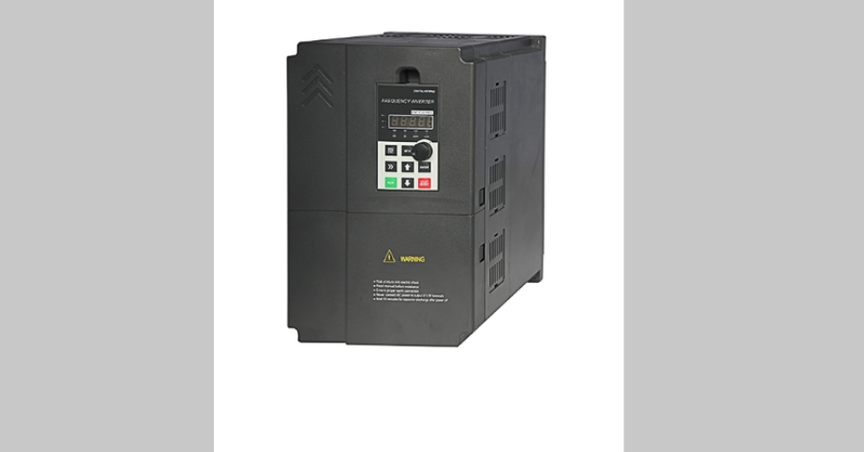
Well, if you are in the first kind of condition, then solar pump inverters are the thing for you. These devices help farmers, homeowners, and anything that needs water to get the best use out of the sun and their pumps without making things overly complicated.
So, let’s put it all into a simple way.
What Is a Solar Pump Inverter and Why Does It Matter
When solar panels produce electricity, they generate DC power. However, most water pumps operate on AC (Alternating Current) and not DC.
Therefore, a Solar Pump Inverter is needed to change the DC power from solar panels into AC power, which your water pump can use. The inverter, however, is more than just a power machine; it also controls how your pump behaves with the sun.
Over the years as the sun gets hotter or colder, etc, this little thing senses all these changes.
One result of applying a principle such as The-all-together makes so much sense as it has seen us using less water to cook and not having any problems at all.
In short, it helps you:
- Get more water output
- Save electricity
- Reduce wear and tear on your pump
- Avoid the need for manual work
Key Things That Make Solar Pump Inverters So Useful
These inverters are not just about converting power. They’re like smart helpers that manage your whole pumping setup. Here’s what they do.
1. MPPT Technology
Inverters that maximize power generation have a feature known as MPPT, which independently monitors the solar panel group and changes the system output to find the highest possible working point.
If rainstorms occur or the sun begins to shy away in the evening, for instance, your system might be cooling off just when it should have been starting up.
This helps to:
- Increase the efficiency of solar panels
- Get stable power during fluctuating sunlight
- Avoid energy losses
2. DC and AC Input Support
Some solar pump inverters can take both AC and DC input. This means that not only can you connect them to either your engine-driven generator or the electricity net, you can also connect them directly into your solar panels themselves as well if needed.
In particular, it really comes into its own on overcast days or when there is no sunshine to be had at all.
This makes it possible to use:
- Solar power during daylight
- AC power, where necessary
3. Speed Control and Smooth Start
Water pumps don’t need to be operated at full speed. Solar pump inverters can modulate the rate of running: increase or decrease it with available sunlight at any particular time, as is convenient. This control method saves energy and reduces stress on the machinery.
In addition, they use what they call "soft start" and do not start suddenly, springing the pump into life. They start gently and slowly, building up speed instead, which is rather like starting your car in first gear.
4. Auto Operation and Sleep Mode
The inverter can automatically turn the pump on or off, in line with the sunlight and water requirements.
For instance, when the tank needs no more water (or if a cloud obscures sunshine), one may go into a state of dormancy. When the sun comes out again and water instructs it then, then this equipment wakes up.
This avoids wasting energy and water.
They also support:
- Water level sensors
- Automatic dry-run protection
- Scheduled operation with sunrise and sunset settings
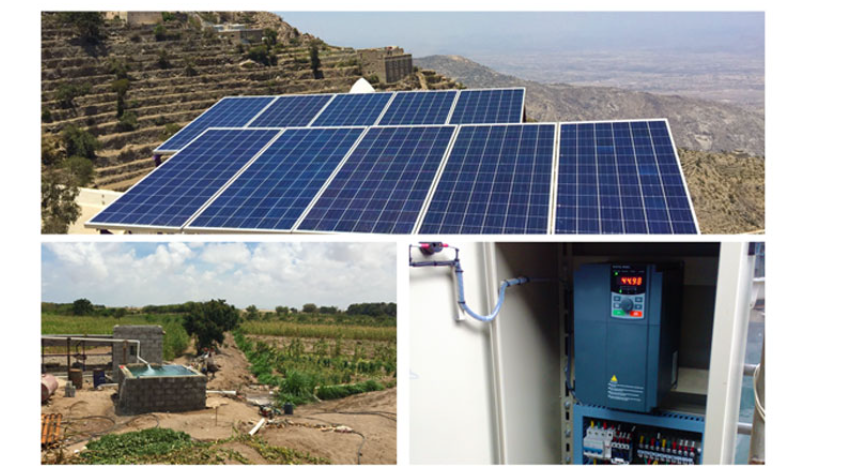
Image source: Inverter.com
Real-Life Use Cases
There are many situations where they are widely applied practically. But just look at some which may be representative:
The solar pump inverters provide farmers with the water they want. They don't need to worry about fuel, nor run out of power for pumping electricity to propel their pumps on a rainy day.
As soon as it reflects the sun's rays just right, it works again. Change automatically each season. Provide what is right for you. When the sun is shining, tissue is King. It's a nice day.
Water is indispensable for life in the countryside's animal husbandry and dairy farms. Solar pump inverters offer cheap and stable supplies of drinking water, bathing water, as well as water to feed the livestock.
Technical Highlights You Should Know
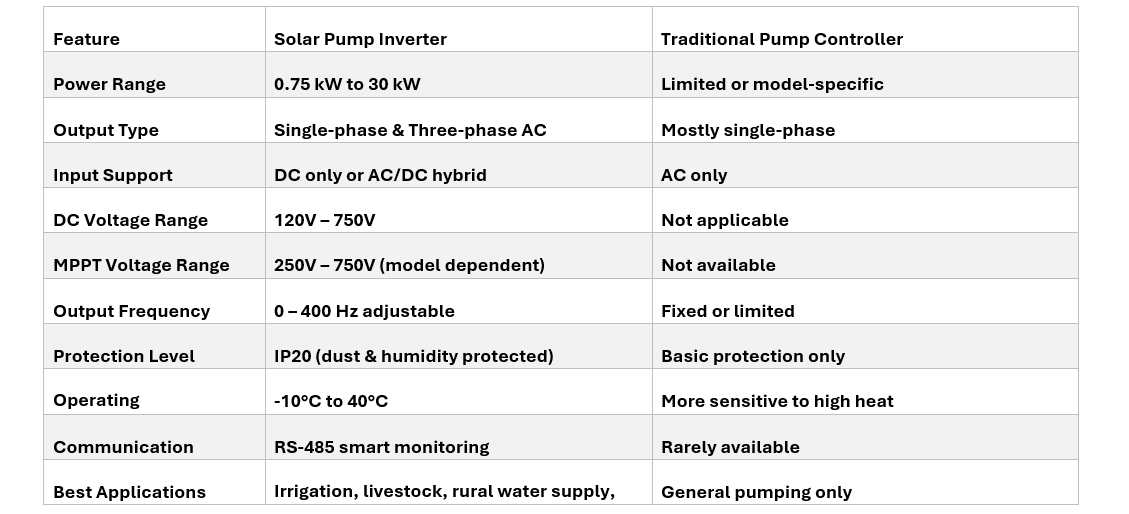
Below is a simple table to give you a clear idea of the typical features and ranges these solar inverters come with:
How to Maintain a Solar Pump Inverter
Regular maintenance will help your solar pump inverter to not only operate smoothly but also last longer.
Here are a few simple measures you can take to keep the machine in good condition: Clean the outer surface regularly and make sure not to block the grating.
On a regular schedule, inspect the wiring connections for signs of looseness or corrosion (where they join terminals) that could lead to poor contact between cables. Look over the wiring connections every so often to check for faults -- such as lack of tightness but corroded ends -- that could hinder good cable contact.
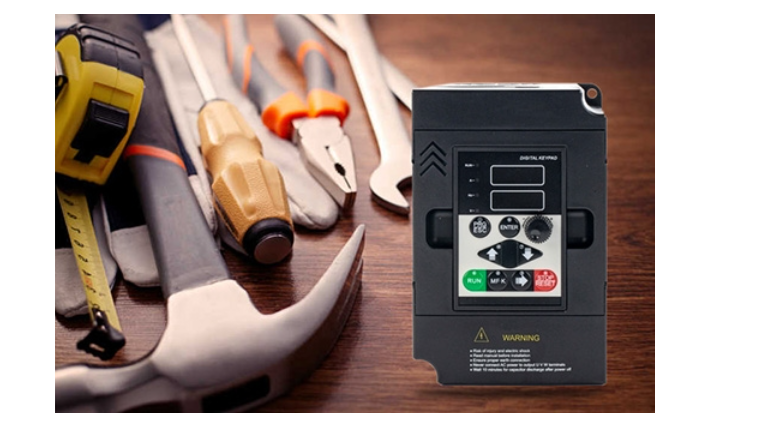
Image source: Inverter.com
Inspection of system performance: Use either the inverter's display or RS-485-equipped monitoring devices to monitor voltage, current flow, and error messages. Inspect cooling system: Make sure that fans and heat sinks are clean to avoid overheating.
Rain and direct sun are to be avoided at all costs, despite the ever-increasing IP rating of most inverters. Keep these in a ventilated, shaded place and thus prolong their lives.
Check the ground: Make sure that the inverter has a good earth connection to prevent electric shock, and ensure that power devices are protected.
Make sure that every year, professional service personnel examine the equipment: Have a technician check all systems to see if they are functioning properly for annual inspection.
Final Thoughts
For anybody in need of a reliable water supply without spending a lot of energy or effort, or money on manual labor, a solar pump inverter is the answer. They adjust by themselves, they protect the pump, and they use the sun's energy smartly. What's more, they can be used easily in farms, villages, and places that are far away from power sources.
Now, with functions like auto start/stop, speed control, MPPT (Maximum Power Point Tracking), as well as dry-run protection, it has become a common choice for people who want to use solar energy in their water pumping operations.
With one of these at hand, it is possible, no matter whether you are running a small farm or have everything set up for maximum output of water from the least energy input.
If you're considering using solar energy for your pump system, then this is one of the easiest and smartest ways to do it.
The article has been provided and sponsored by Amrytt Media.
