
 AUS
AUS
 NZ
NZ
 UK
UK
 CA
CA
 USA
USA
 IND
IND





Highlights
Glencore posts lower-than-expected
Coal price dip and copper output decline weigh on earnings
Production rebound anticipated in the second half
Glencore, a prominent player in the FTSE 350 index, reported its first-half results for 2025, revealing a mixed financial performance. While total revenue slightly outperformed market projections, the group's core figures came in below expectations.
The revenue stability showcased Glencore’s diverse commodity exposure and resilient trading business, even as its earnings were impacted by broader challenges in coal and copper operations. had anticipated a stronger showing, but industrial pressures, including operational disruptions and subdued commodity prices, drove earnings below consensus.
Coal and Copper Weigh on Industrial Performance
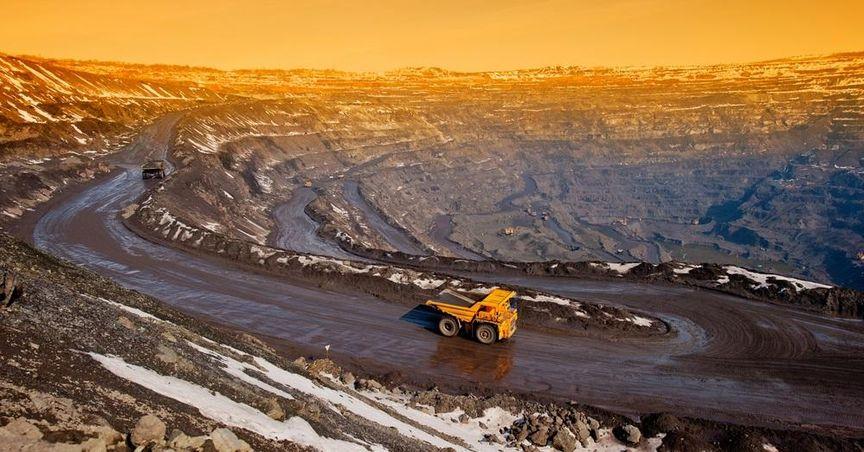
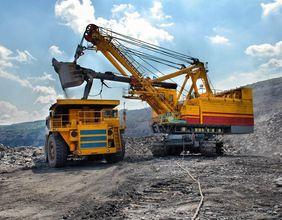
Glencore’s (LSE:GLEN) industrial segment experienced notable pressure during the period. The drop in coal prices once a strong revenue contributor has played a significant role in the earnings slide. Additionally, copper production faced multiple setbacks across sites, attributed to mine sequencing issues and external constraints such as water availability.
These challenges led to a pullback in industrial earnings, underscoring the operational sensitivity of the mining portfolio. However, the company indicated that copper production is expected to recover in the second half of the year, a more stable output profile going forward.
Resilient Trading Segment and Forward-Looking Growth Strategy
Despite the headwinds in mining, Glencore’s marketing division delivered stable returns, reinforcing its diversified strategy. The company also maintained its focus on business optimisation, highlighting ongoing efforts to streamline operations and unlock further value.
In terms of shareholder value, Glencore confirmed the continuation of its dividend policy and unveiled plans for additional capital returns. A portion of cash inflow from its recent agricultural business divestment was directed towards a fresh share back initiative, reflecting management’s confidence in long-term prospects.
Capital expenditure and working capital adjustments pushed up net debt levels, although the group remains confident in its ability to manage its balance sheet effectively. Healthy cash flows are anticipated in the upcoming quarters, supporting further deleveraging initiatives.
Frequently Asked Questions
- What led to Glencore’s weaker performance despite stable revenue?
Glencore’s overall performance was affected by a decline in coal prices and reduced copper production, which put pressure on its industrial segment, even as revenue slightly outpaced expectations. - Is Glencore expecting improvement in the near term?
Yes, the company expects a production rebound in the second half of the year, particularly in copper, which could help stabilise overall earnings performance. - How is Glencore supporting shareholders amid the dip?
Glencore continues to return capital through dividends and backs, supported by the recent divestment of its agricultural unit and expected healthy cash flow.
