
 AUS
AUS
 NZ
NZ
 UK
UK
 CA
CA
 USA
USA
 IND
IND






Highlights
Glencore posts earnings below expectations amid softer coal pricing
Copper volumes impacted by operational disruptions at key mining locations
Net debt increases following capital spending and shareholder return activities
Glencore PLC plays a pivotal role within the ftse 100 index futures landscape, operating across mining and commodity trading. As a key participant in the materials and energy sector, its performance reflects wider movements in global demand for essential industrial resources such as coal, copper, and metals. This positioning reinforces Glencore’s strategic importance in the UK market index.
Coal and Copper Operations Influence Earnings
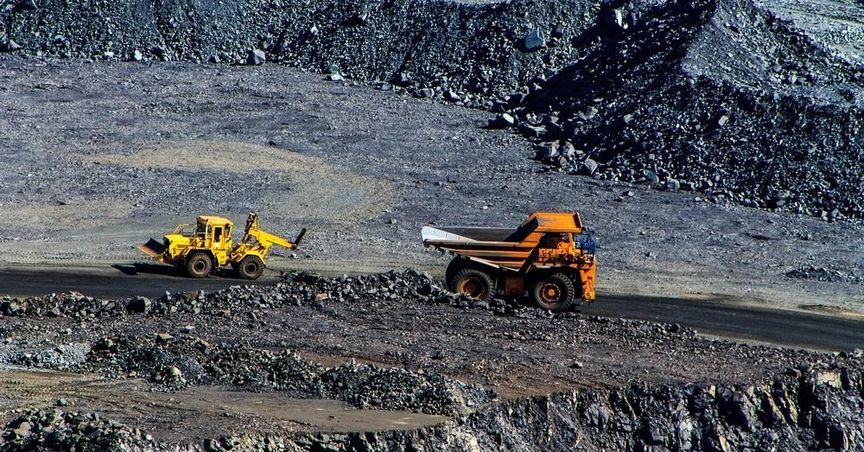
Glencore (LSE:GLEN) reported a decline in for the first half of the year, largely attributed to softer coal prices and challenges across copper-producing sites. Disruptions related to mine sequencing and water availability were cited as primary contributors to reduced copper volumes, which in turn affected overall industrial performance. Coal also remained under pressure, limiting margin strength in one of Glencore’s core segments.
While total revenue held steady compared to the same period last year, the decrease in adjusted EBITDA and EBIT underscored the impact of sector-specific headwinds. This financial shift illustrates how sensitive Glencore’s industrial division is to commodity fluctuations and operational stability.
Performance of Marketing Division and Financial Position
Glencore’s marketing division, which facilitates the trading of physical commodities across global markets, experienced a slight decline during the reporting period. While trading volumes remained resilient, reduced margins contributed to a dip in segment. Despite this, total revenue surpassed expectations, indicating sustained demand across key commodities.
On the financial front, the company reported an increase in net debt, driven by capital spending, shareholder distributions, and changes in working capital. These developments reflect Glencore’s continued commitment to operational and financial structuring within a complex market environment.
Strategic Capital Allocation and Transactions
A notable development during the half-year was the completion of Glencore’s agriculture business, Viterra. The resulting cash inflow contributed to the launch of a share repurchase programme, signalling a reallocation of capital following portfolio realignment. In parallel, the company announced an additional dividend payment, maintaining its policy of shareholder returns amid market fluctuations.
These capital initiatives align with the broader restructuring strategy designed to position Glencore effectively within changing commodity cycles. The focus remains on maintaining balance between returning value and enhancing core operations.
FTSE 100 Index Futures and Sector Dynamics
As part of the ftse 100 index futures, Glencore’s financial trends and strategic choices are closely tracked in relation to global resource demand, market pricing, and supply chain pressures. Its presence within the UK’s leading index reinforces its influence on broader market movements.
Recent results indicate shifting dynamics within the mining and trading environment, particularly as companies navigate evolving resource availability, logistical challenges, and global pricing patterns. Glencore continues to reflect these industry-wide themes through its operational footprint.
Frequently Asked Questions
- What sector is Glencore involved in?
Glencore operates in mining and commodity trading, focusing on metals, minerals, and energy resources. - Is Glencore listed on the FTSE 100 Index?
Yes, Glencore PLC is listed on the London Stock Exchange under (LSE:GLEN and is a part of the FTSE 100 Index. - What affected Glencore’s recent earnings?
Lower coal prices and disruptions at copper mining locations led to reduced industrial contributions during the period.
