
 AUS
AUS
 NZ
NZ
 UK
UK
 CA
CA
 USA
USA
 IND
IND






On August 30, the FTSE 100 briefly surpassed the 8,400 mark, coming tantalizingly close to its all-time peak of 8,475. This upward movement has been primarily driven by the anticipated cuts in interest rates. The prospect of lower borrowing costs could spur growth across various sectors, potentially propelling the index toward the elusive 10,000-point milestone in the near future.
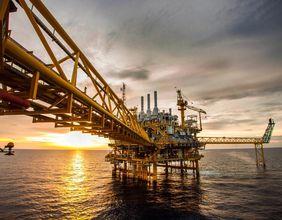
In the event the FTSE 100 does reach this significant figure, several prominent companies within the index could emerge as compelling opportunities for those looking to allocate capital. Among the leading candidates are major players such as Shell (LSE:SHEL) and BP (LSE:BP), two of the largest companies in the index. The scale of these energy giants is substantial, with Shell reporting revenues of $293 billion and BP reaching $202 billion over the past year. Such impressive figures underscore their substantial influence on the FTSE 100’s performance.
Despite their massive revenues, growth for these oil companies hinges on several factors. The price of oil and geopolitical developments are crucial elements that could impact their financial outcomes. Both Shell and BP have expressed a pragmatic approach towards their net-zero commitments, acknowledging that oil will remain a significant part of the global energy mix for some time. This practical stance suggests that, barring unforeseen disruptions, these companies might continue to experience growth.
Another major player on the FTSE 100 is AstraZeneca (LSE:AZN), the largest firm on the index by market value. Despite its market position, AstraZeneca’s revenue and income are significantly smaller compared to those of Shell and BP. The pharmaceutical company is poised for substantial growth, driven by a promising pipeline of new drugs and treatments. However, this growth potential is reflected in its high valuation, with the stock trading at approximately 40 times earnings.
AstraZeneca’s performance will be pivotal in determining whether the FTSE 100 reaches the 10,000-point mark. The company’s significant weight in the index—13%—means it will play a crucial role in the overall performance of the FTSE 100.
While the FTSE 100 does not feature tech giants like Nvidia or Alphabet, the rise of AI and its impact on US stocks suggests that there is room for companies within the index that are integrating AI technologies on a smaller scale. As the index evolves, these companies could play a role in driving future growth.
