
 AUS
AUS
 NZ
NZ
 UK
UK
 CA
CA
 USA
USA
 IND
IND






Highlights
Ithaca Energy (LSE:ITH) operates as one of the largest independent oil and gas companies in the UK sector of the North Sea. With a portfolio shaped through organic development and major acquisitions, the company has secured a strong position in offshore exploration and production. Its inclusion in the FTSE 350 underlines its market presence and operational significance within the broader London Stock Exchange.
How Has Ithaca Energy Been Performing in Market Activity?
Trading activity around Ithaca Energy (LSE:ITH) has shown marked fluctuations. Sessions recorded heightened volumes, reflecting stronger attention compared to average trends. Market participants tracked the company closely as its share value shifted during recent sessions.
The firm’s market capitalisation places it among the notable mid-cap constituents of the FTSE 350, a space often influenced by both global commodity conditions and domestic energy policy. Such activity demonstrates how oil and gas companies on the LSE are often tied to broader energy market cycles.
What Defines Ithaca Energy’s Core Business?
Ithaca Energy (LSE:ITH) is a North Sea-focused exploration and production company. It manages a diverse range of assets spread across key offshore fields. The company is known for developing and operating oil and gas resources through strategic partnerships and licence agreements.
Over time, Ithaca Energy has expanded its position through acquisitions of producing fields and participation in new developments. The company’s strategy has been to balance mature production hubs with growth-led projects. Its business model has combined day-to-day operational management with broader portfolio building through mergers and acquisitions.
How Do Acquisitions Shape Ithaca Energy’s Portfolio?
The growth path of Ithaca Energy (LSE:ITH) has been marked by significant acquisitions. These transactions transformed its portfolio from a smaller operator into a leading UK independent producer. By integrating assets with long-term production profiles and infrastructure, the company positioned itself as a central player in the North Sea basin.
This acquisition-driven expansion allowed Ithaca to create economies of scale, optimise production costs, and extend the lifespan of offshore infrastructure. The transformational deals reshaped its standing in the market, bringing it into the FTSE 350 and placing it alongside other established resource firms.
What Broader Context Frames Ithaca Energy’s Market Position?
Ithaca Energy (LSE:ITH) operates in a sector influenced by global commodity markets, regional demand, and domestic energy policy. The UK North Sea continues to play a central role in supporting domestic supply and ensuring energy security. For companies like Ithaca Energy, market performance reflects not only corporate actions but also wider sentiment across the oil and gas sector.
The FTSE 350, as an index, captures this dynamic by including resource-driven companies alongside industrial, financial, and consumer names. Ithaca Energy’s placement within this group reflects the enduring importance of energy firms in the UK equity landscape.
How Does Ithaca Energy Operate in the North Sea?
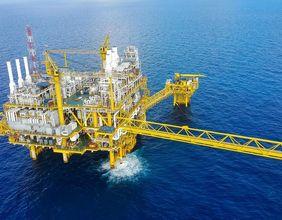
Ithaca Energy (LSE:ITH) has built its reputation around focused operations in the UK Continental Shelf. The company’s portfolio includes producing assets, development projects, and exploration licences. Its activities cover mature fields that deliver consistent production as well as new projects designed to extend the operational life of the North Sea basin.
The firm’s management of assets involves collaboration with partners and joint ventures. By engaging in shared developments, Ithaca benefits from cost efficiencies and technical expertise, while contributing its own operational knowledge. These joint activities are common in the offshore industry, enabling companies to manage the high capital requirements of exploration and production.
What Role Does Ithaca Energy Play in the UK Energy Market?
Ithaca Energy (LSE:ITH) is recognised as one of the largest independent producers operating within the UK sector. Its contribution supports domestic supply and reduces reliance on imported energy sources. This role places Ithaca within broader national strategies focused on energy security and transition.
The North Sea remains a critical region for the UK economy, balancing legacy oil and gas production with the gradual integration of low-carbon initiatives. Ithaca’s activity underscores the continued relevance of traditional hydrocarbon production in ensuring stability during a period of transition.
How Has Market Interest in Ithaca Energy Shifted Recently?
Market engagement with Ithaca Energy has reflected heightened attention during specific trading sessions. Increased turnover volumes have positioned the company as a more actively followed name within the FTSE 350. Shifts in trading levels have drawn further focus to the company’s standing in the mid-cap index, where energy names are often subject to broader global commodity narratives.
Such market patterns highlight the role of energy companies as dynamic components of the FTSE 350. They respond not only to company-specific updates but also to wider geopolitical and commodity-driven factors. Ithaca Energy’s position in this framework ensures it remains linked to wider trends across the global energy sector.
What Strategic Focus Has Driven Ithaca Energy’s Development?
The development of Ithaca Energy (LSE:ITH) has been closely tied to acquisition activity, combined with operational enhancements across existing fields. By securing major transactions, the company reshaped its scale and gained access to long-life production hubs. This approach elevated Ithaca from a smaller operator into one of the most substantial independent producers in the UK North Sea.
Operationally, the company has emphasised efficiency across its portfolio. From maintaining production reliability to extending the life of mature assets, Ithaca has pursued strategies designed to optimise existing infrastructure. These actions have not only supported steady production levels but also ensured alignment with broader industry efforts to manage resource decline in the basin.
How Does Ithaca Energy Reflect the FTSE 350’s Resource Segment?
The FTSE 350 brings together both large-cap and mid-cap companies listed on the London Stock Exchange. Ithaca Energy, as part of this grouping, reflects the resource-driven element of the index. Alongside peers from other extractive industries, its inclusion highlights the enduring importance of energy companies to UK capital markets.
For the FTSE 350, energy companies contribute to diversification by balancing financial, industrial, and consumer sectors. Ithaca’s role within this index demonstrates how mid-cap resource companies can influence performance and sentiment. Its presence reinforces the significance of the North Sea within the UK’s economic and corporate landscape.
