
 AUS
AUS
 NZ
NZ
 UK
UK
 CA
CA
 USA
USA
 IND
IND






Highlights
ftse 100 remains largely steady despite geopolitical developments
Energy stocks LON:SHEL and LON:BP buoyed by rising crude benchmarks
Defense and industrials react moderately to Middle East airstrike news
The ftse 100 index showed limited movement despite global unease after a significant military development in the Middle East. Energy companies such as (LON:SHEL) (Shell) and (LON:BP) (BP) helped stabilize the index, responding to a surge in global oil benchmarks. The modest upward movement in the index contrasts with broader caution observed across other European equity indices, highlighting the market’s tempered reaction.
Oil and Energy Stocks Track Crude Movement
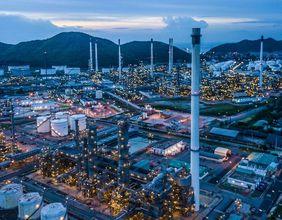
Shell and BP, both key constituents of the ftse 100, were among the main contributors to the index’s relative stability. The climb in crude prices came after reports confirmed targeted airstrikes by the United States on Iranian nuclear facilities. This development triggered heightened focus on the Strait of Hormuz, a critical maritime passage for global oil shipments. While there has been no official disruption reported, the region’s strategic importance brought renewed attention to supply concerns.
The increased valuation in energy shares aligned with a spike in global oil futures, reflecting sentiment around restricted access to oil corridors and the possibility of regional response measures. These companies have historically shown sensitivity to movements in the energy market, and their performance remained closely tied to developments in global supply dynamics.
Broader Market Reaction and Defensive Positioning
Beyond the energy sector, other segments of the UK equity market displayed caution. Companies in the defense and industrial supply chains maintained a relatively neutral stance amid uncertainty over the longer-term fallout of the strike. The broader ftse 350 index also moved within a narrow band, reflecting the wider market’s wait-and-watch approach. There was no indication of sharp exits, but the market tone suggested some repositioning, particularly in sectors with international exposure.
Despite the geopolitical tensions, market participants appeared to manage trades with a focus on orderliness rather than rapid liquidation. The timing of the news, which broke outside of market hours, may have provided breathing room and contributed to the absence of sharp swings at the open.
Corporate Activity and Takeover News
Industrial technology firm LON:SXS (Spectris) saw noticeable interest after announcing board approval for a takeover proposal from Advent. This followed closely on the heels of a competing bid by KKR. Market participants noted the dual offers but remained focused on board recommendations and shareholder feedback. The development added a separate narrative to the day’s headlines, steering attention toward M&A within the ftse 350 universe.
The presence of multiple bids underscores continued interest in UK-based industrials, despite broader market caution. Share performance for (LON:SXS) was reflective of the company’s strategic importance and market appeal in the high-precision equipment sector.
Outlook Hinges on Middle East Developments
While immediate pricing actions were evident in oil and select equities, broader equity benchmarks retained a steady profile. Uncertainty remains over the scope of future military or diplomatic actions, particularly around Tehran's potential response. The Strait of Hormuz remains under close observation, with attention focused on maritime logistics and shipping traffic through the region.
The absence of rapid reactions suggests that broader markets may be absorbing the news within existing macro frameworks, pending clearer signals about the duration and scale of geopolitical escalations. For now, market direction in the ftse indices appears to hinge more on sector-specific news rather than systemic fallout.
