
 AUS
AUS
 NZ
NZ
 UK
UK
 CA
CA
 USA
USA
 IND
IND






Highlights:
Russia launched a wide-scale missile and drone attack across several Ukrainian regions.
Kyiv claims over four hundred projectiles were intercepted by Ukrainian defenses.
Ukraine targeted Russian airfields in a retaliatory move after striking strategic bombers.
In a significant escalation within the military sector, Russia initiated one of the largest air assaults of the ongoing conflict, targeting numerous regions across Ukraine. The scale and intensity of the overnight offensive mark a direct response to a recent Ukrainian drone operation that severely impacted a portion of Moscow’s strategic bomber fleet. The latest developments come as tensions between the two nations intensify amid ongoing hostilities and retaliatory maneuvers.
The Moscow Exchange index (IMOEX) and the Ukrainian PFTS index reflected the heightened geopolitical risks associated with the intensifying conflict.
Widespread Strikes Across Ukrainian Cities
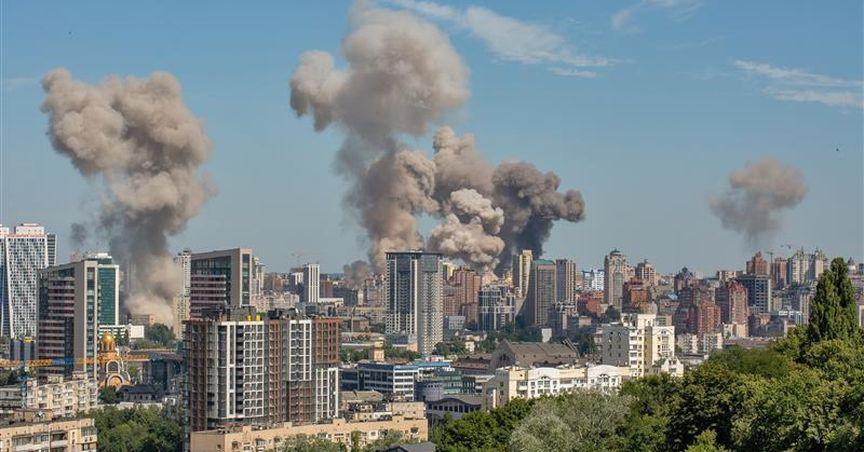
According to statements from Ukrainian authorities, the aerial attack involved hundreds of unmanned aerial vehicles and various types of missiles, including cruise and ballistic variants. The capital, Kyiv, experienced intense explosions, with damage reported across multiple residential buildings. Emergency services were dispatched across affected zones as residents assessed destruction to homes and vehicles.
The Ukrainian Air Force stated that most of the incoming projectiles were successfully neutralized, yet the impact on civilian infrastructure remains significant. The strikes extended across major regions, including Lviv, Chernihiv, Sumy, and Lutsk, underlining the nationwide scale of the offensive.
Ukrainian Military Response Targets Key Russian Assets
In a coordinated effort, Ukraine responded with overnight strikes targeting Russian airfields believed to be housing undamaged aircraft from the earlier drone assault. This action follows the highly publicized “Spiderweb” operation, which reportedly compromised a large share of Russia's nuclear-capable bomber fleet.
Ukraine maintains that its military objectives are focused on neutralizing platforms responsible for missile attacks on Ukrainian civilian areas. The Ukrainian Ministry of Defense reiterated that strikes are directed at aircraft and military infrastructure, not civilian populations.
Civilian Impact and Conflicting Casualty Reports
While Ukrainian President Volodymyr Zelensky reported three fatalities linked to the strikes, local authorities in Kyiv, including Mayor Vitali Klitschko, noted a higher death toll in the capital alone. This discrepancy highlights the challenges of collecting accurate data amid ongoing attacks.
Visual evidence from Kyiv and other cities shows charred apartment buildings, shattered glass, and rescue personnel operating in debris-filled streets. Footage confirmed the use of multiple missile types, including Iskander-M, and showed impact zones consistent with drone and ballistic attacks.
Russian Narrative and Strategic Messaging
Russia’s Ministry of Defense framed the aerial assault as a direct response to Ukraine’s recent military actions, labeling Kyiv’s operations as “terrorist acts.” In parallel, Moscow claimed to have intercepted numerous Ukrainian drones and guided missiles over the Black Sea, suggesting an ongoing series of reciprocal strikes.
In a diplomatic development, Russian President Vladimir Putin spoke with U.S. President Donald Trump earlier in the week. The call reportedly included discussions of Russia’s response to Ukraine’s actions, although the content of their conversation has sparked controversy in Kyiv.
Tensions Rise Amid Political and Military Signals
The international political landscape also witnessed renewed tensions as President Trump’s remarks likened the conflict to an uncontrollable altercation. Ukrainian officials criticized this stance, emphasizing the real human cost of ongoing missile attacks and expressing concern over the lack of firm condemnation from key global stakeholders.
The series of attacks, counterstrikes, and geopolitical dialogues reflect a complex and evolving military landscape in Eastern Europe, with both nations intensifying efforts across air, land, and diplomatic arenas.
