
 AUS
AUS
 NZ
NZ
 UK
UK
 CA
CA
 USA
USA
 IND
IND

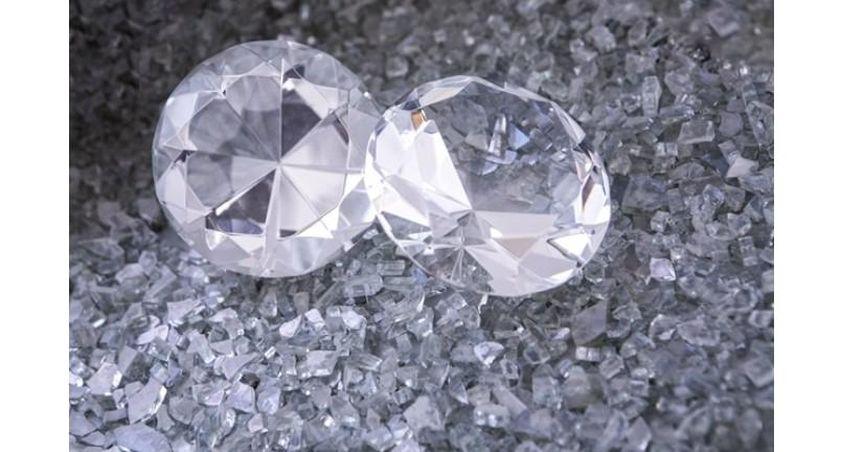





Did you know that over half of all engagement rings bought this year feature a center stone created in a laboratory? The traditional jewelry industry is facing a massive disruption as modern technology challenges centuries of geological monopoly.
Consumer preferences are shifting, perhaps faster than mining corporations can react.
This deep dive explores how man-made alternatives are redefining luxury, upending historical pricing structures, and forcing international regulatory updates that will permanently change how you shop for precious gems.
The Sudden Shift in Consumer Perception
The allure of the mined diamond used to rest entirely on its scarcity and deep geological history. Today, younger buyers care far more about transparent supply chains and tangible retail value. They are actively choosing stones that offer identical physical properties without the ethical baggage of historical mining.
As technology improves, the distinction between mined and created gems completely evaporates for the average shopper. This behavioral shift is forcing luxury houses to restructure their entire product lineups to remain relevant.
International Trade Responses to Synthetic Supply
Global supply chains are adapting to the massive influx of manufactured stones entering the wholesale jewelry market. And as expected, different nations are developing unique legal frameworks to handle these lab-grown alternatives.
Let us see some examples:
UK
British trade bodies require clear disclosures at the point of sale to prevent consumer confusion. Retailers must explicitly state whether a gemstone is natural or manufactured during consultations.
Russia
The Eastern European market treats these stones with highly specific administrative classifications. Under Russias lab-grown diamond regulations, provisions require manufactured diamonds to be labeled as synthetics rather than natural gems during sale. The rules also insist that lab rocks are measured in grams instead of carats.
USA
The Federal Trade Commission enforces strict guidelines regarding deceptive marketing practices. American jewelers face heavy penalties if they attempt to obfuscate the origins of man-made gems.
The Evolution of Luxury Pricing Models
Historically, rare gemstones maintained stable valuations due to tightly controlled supply caps managed by international syndicates. The rapid expansion of manufacturing facilities has disrupted this historical stability, altering how families evaluate heirlooms.
Investors now look closely at the long-term value of jewelry assets when making major purchasing decisions. The market must balance immediate affordability against future resale potential as production costs drop.
Manufacturing Methods Defining Market Share
Industrial laboratories rely on highly advanced engineering techniques to replicate the extreme conditions found deep within the earth. There are thousands of carats grown every day in these highly controlled manufacturing facilities. The split between competing production methods determines the final optical properties and wholesale price structures.
Modern production facilities rely on specific technological benchmarks and shifting economic indicators to maintain their market dominance:
- High pressure high temperature systems dominate over half of current commercial production
- Chemical vapor deposition allows for precise control over crystal purity
- Advanced chemical treatment can remove minor color distortions after synthesis
- Wholesale prices continue to drop as energy efficiency improves across both methods
The rapid growth of the lab-grown diamond market reflects how efficiently these technological processes scale over time.
Disrupting the Traditional Mining Sector
Mining conglomerates are scrambling to adjust their capital allocations as retail demand shifts toward lab-grown alternatives. Major diamond cartels are reducing their marketing spends on synthetic lines to protect their natural diamond assets.
This strategic retreat highlights a widening division between accessible fashion jewelry and elite luxury tiers. The changing landscape shows how lab-grown diamonds are redefining the boundary between technological novelty and heritage assets.
Technological Innovations beyond Fine Jewelry
The impact of synthetic diamond production extends far beyond the display cases of luxury boutiques. The unique physical properties of these stones make them incredibly valuable for heavy industrial applications.
Superconductors, quantum computing systems, and laser cutting tools benefit directly from cheap, flawless diamond wafers. The gemstone revolution is quietly powering the next generation of high tech infrastructure.
Navigating the New Diamond Era
The global gemstone landscape has fundamentally changed for both casual buyers and seasoned collectors. Understanding the origins and regulations of these stones ensures you make informed purchasing decisions.
The content has been authored in collaboration with our guest contributor, James Williams.
