
 AUS
AUS
 NZ
NZ
 UK
UK
 CA
CA
 USA
USA
 IND
IND






Highlights
- The recent imposition of lockdowns in China has clouded the outlook for global economic growth.
- Data released by the National Bureau of Statistics (NBS) reveals that retail sales have declined in China during March.
- The knock-on effects of Chinese lockdowns are most likely to be seen in the supply of goods and services.
Just as the Chinese economy was reeling out of a property market bubble, the recent imposition of lockdowns has once again clouded the country’s growth outlook. Rising coronavirus cases in China have compelled the authorities to adopt pandemic-specific restrictions again. While the Chinese economy has fared relatively better than expected, the global economy might not be as impervious to the impact of these restrictions.
The economic data in China has not been much impressive since March, as lockdown restrictions disrupted the ongoing business activity. As workers were grounded and consumers had to stay indoors, concerns of an economic slowdown took over. Retail sales plunged, and claims of a food shortage created chaos among the Chinese population.
More concerning are the factory shutdowns and shipment delays that have the potential to impact several trade partners of China, including Australia. The latest COVID-29 outbreak in the country is said to be the worst to date. Thus, if the restrictions are not lifted, China’s trade partners could face the heat of these lockdowns in the coming months.
ALSO READ: Is Australia facing a fear of recession in 2022?
Decoding the state of Chinese economy
The Chinese economy could soon see an economic slowdown as domestic factors provide a worrisome picture. Data released by the National Bureau of Statistics (NBS) reveals that retail sales declined by a staggering 3.5% in the country during March. Trade data has also taken a steep fall in March following the introduction of coronavirus-related restrictions.
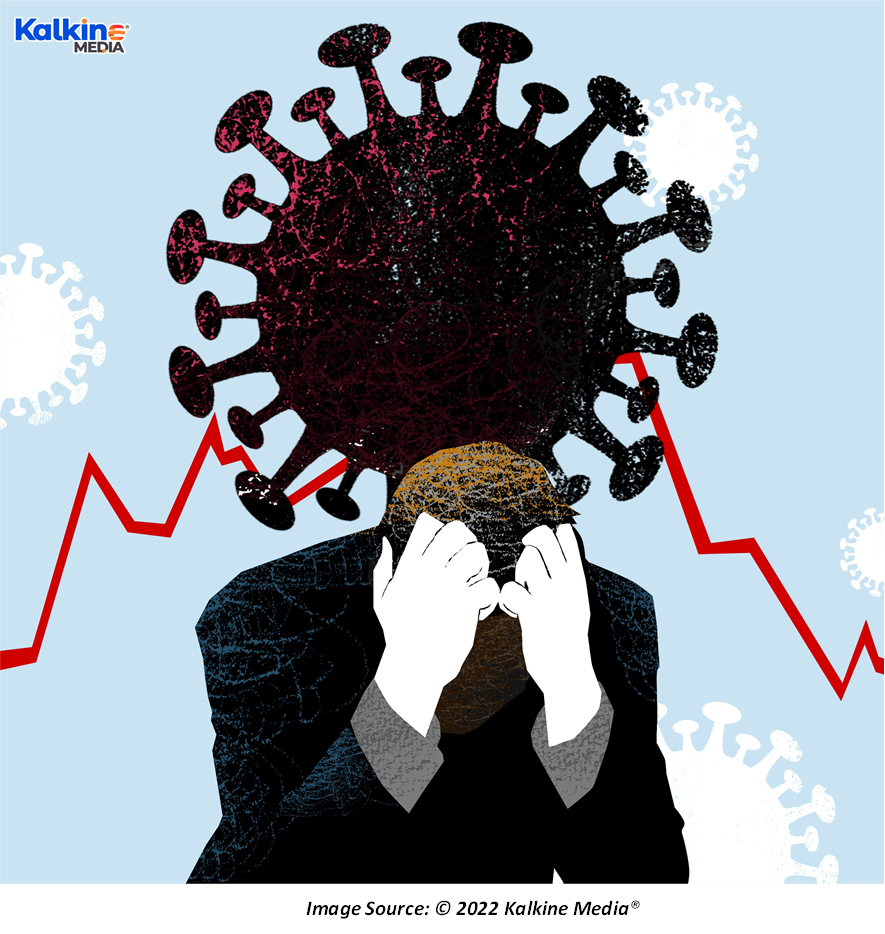
With 45 Chinese cities in lockdown, the basic business operations in the domestic economy have been hampered. Additionally, rising regulations have taken a toll on the unemployment rate. NBS data showed that the unemployment rate across 31 major Chinese cities rose from 5.4% in February to 6% in March. In a way, larger cities are facing a harsh impact of increasing restrictions, which can be seen exceeding the perils seen during the first COVID-19 wave.
As the cases show no signs of slowing, April data could be worse than that of March. Businesses have faced increased hurdles in the form of production and operation difficulties and greater pressure on employment. According to official statistics, China’s economic growth during the first three months of 2022 was 4.8%, well below the ruling party’s official target of 5.5% for the entire year. But, the economic growth picked up pace from a 4% surge in the December 2021 quarter.
One can say economic figures released for the March 2022 quarter have been relatively resilient. Now, high hopes are attached to the Chinese real estate market, which could strengthen with the help of rising investment. It will be enticing to see how the Chinese economy takes shape in the coming months amidst virus-driven developments.
DO NOT MISS: RBA’s April meeting minutes out, any hint of rate hikes?
What does it mean for Australia?
The impact of a potential downfall in China’s economic growth could be immense for Australia. The Australian economy is tied to the Chinese economy in more ways than just economic trade. Most notably, the impact of these restrictions on global supply chains would be seen in the form of rising commodity prices.
Some of the biggest companies in the world are now looking at factory shutdowns. Car manufacturers, including GM, Tesla, Ford and even Apple, have been observing a ricocheting impact of these restrictions due to factory closures. The knock-on effects of such disruptions would most likely be seen in the supply of goods and services, which can ultimately foster inflation. Rising prices can be expected, especially in short supply items, such as electronics and cars.
Australia eases covid restrictions for International Travelers
Coming to the direct trade channels, the Shanghai port seems no less than a train wreck as all shipments have been left at a standstill. Items have been stuck on the ports, with lack of labour and border closures making supply-side challenges worse.
Bottom line
Despite such widespread concerns, markets expect the impact of Chinese lockdowns to die out against the aftereffects of the Russia-Ukraine conflict. Additionally, reduced Chinese demand for oil and gas might benefit the soaring energy prices seen in the wake of the war in Ukraine. For Australia, the next appropriate move could be to reduce its dependence on China for imports and develop an efficient trade channel with more reliable partners.
GOOD READ: Resignation regret: Are more boomerang employees returning to old jobs?
