
 AUS
AUS
 NZ
NZ
 UK
UK
 CA
CA
 USA
USA
 IND
IND





Highlights
- Barrick Mining reported stronger operational performance across gold and copper production activity.
- Dividend expansion and share reduction plans have drawn renewed market attention toward capital allocation activity.
- Mining sector discussion continues focusing on production continuity and international asset management.
Barrick Mining continues attracting attention through gold and copper production activity as mining sector discussion evolves across companies connected with the S&P/TSX 60.
The mining sector remains a central component of Canadian markets, particularly among companies connected with the S&P/TSX 60. Recent developments surrounding operational performance and capital allocation activity have renewed attention toward major gold and copper producers across the sector. Barrick Mining has remained part of this discussion following recent earnings developments, expanded shareholder distribution activity, and continued progress tied to international mining operations.
Production Activity Across Gold and Copper Assets
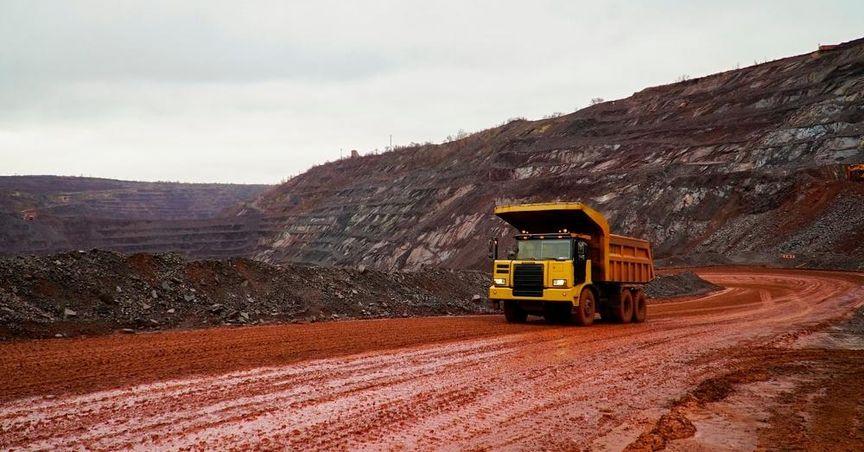
Barrick Mining maintains a broad portfolio of gold and copper operations across several geographic regions. These assets contribute to ongoing production activity tied to industrial metals and precious minerals widely used across manufacturing, infrastructure, and financial markets. Mining operations connected with gold and copper extraction remain influenced by operational continuity, processing capacity, and regional regulatory conditions.
Recent operational updates reinforced attention toward production guidance connected with existing mining properties. Continued activity across processing facilities and extraction sites has remained central to broader sector discussion involving output stability and operational coordination. Copper and gold producers frequently manage extensive transportation networks, refining arrangements, and workforce operations spanning several jurisdictions.
The mining sector also remains closely linked with commodity demand tied to industrial manufacturing and infrastructure development. Copper usage connected with electrical systems and transportation infrastructure has maintained broad relevance across industrial markets, while gold production activity continues attracting attention within global commodity trade.
Capital Allocation Activity Draws Attention
Recent announcements tied to shareholder distributions and share reduction plans have intensified discussion surrounding capital allocation approaches within the mining sector. Barrick Mining (TSX:ABX) introduced expanded distribution activity alongside broader operational updates, placing renewed focus on cash management and corporate spending direction.
Mining companies commonly balance extraction activity with development spending, infrastructure maintenance, and regional expansion planning. Capital allocation decisions within the sector frequently involve production continuity, processing upgrades, and administrative coordination across producing assets. Distribution activity and share reduction programs often become part of broader discussions surrounding operational efficiency and financial management.
Sector attention has also focused on how large mining groups maintain operational flexibility while managing extraction activity across multiple international regions. Companies with geographically diversified mining portfolios frequently navigate differing legal frameworks, taxation structures, and environmental requirements connected with resource development.
At the same time, discussion surrounding planned corporate restructuring activity and public market listings has remained relevant within the broader mining landscape. Resource companies periodically reorganize asset structures or regional divisions as part of administrative realignment and operational streamlining efforts.
International Mining Operations and Sector Conditions
Barrick Mining operates across several regions associated with large scale gold and copper extraction. International mining activity often involves extensive coordination between local authorities, transportation systems, processing facilities, and environmental oversight structures. Sector discussion frequently centers on operational continuity and regional stability surrounding producing assets.
Mining groups operating across Africa, North America, and Latin America commonly manage varying regulatory conditions connected with mineral extraction and land agreements. These conditions can influence mine administration, infrastructure development, and long term operational planning across producing sites.
The Canadian mining sector contains several globally active resource companies connected with the S&P/TSX 60. Gold and copper producers within this market environment remain closely watched due to broad involvement in international extraction activity and commodity supply networks. Operational updates tied to production activity often influence wider discussion surrounding sector direction and resource availability.
Gold mining activity continues maintaining strong relevance across commodity markets due to industrial applications, reserve management activity, and jewelry manufacturing demand. Meanwhile, copper production remains linked with industrial expansion and infrastructure modernization across several regions.
Operational Discipline Across the Mining Sector
Operational discipline remains an important theme across the mining industry as companies coordinate extraction schedules, processing systems, and transportation logistics. Resource producers often manage extensive supply chains connected with mineral transportation, refining activity, and equipment maintenance.
Barrick Mining (TSX:ABX) continues participating within a sector shaped by evolving environmental frameworks, regional permitting requirements, and infrastructure development activity. Mining organizations frequently adapt operational procedures to align with changing regulatory conditions and production planning requirements.
Technological modernization has also become increasingly relevant within the mining sector. Automation systems, digital monitoring platforms, and advanced geological mapping tools continue influencing extraction activity and operational coordination across producing mines. These developments have contributed to broader industry discussion surrounding productivity and administrative efficiency.
Sector attention additionally remains focused on sustaining production continuity across established mining properties. Resource companies commonly prioritize operational consistency while balancing maintenance schedules, processing requirements, and regional logistical conditions. These factors continue shaping broader discussion surrounding global gold and copper extraction activity.
