
 AUS
AUS
 NZ
NZ
 UK
UK
 CA
CA
 USA
USA
 IND
IND




Highlights
- Ero Copper Corp. (TSX:ERO) produces copper, gold, and silver in Brazil.
- Performance influenced by the S&P/TSX Composite Index and macroeconomic trends.
- Focuses on sustainable mining practices, with support from TSX Small Cap ETF.
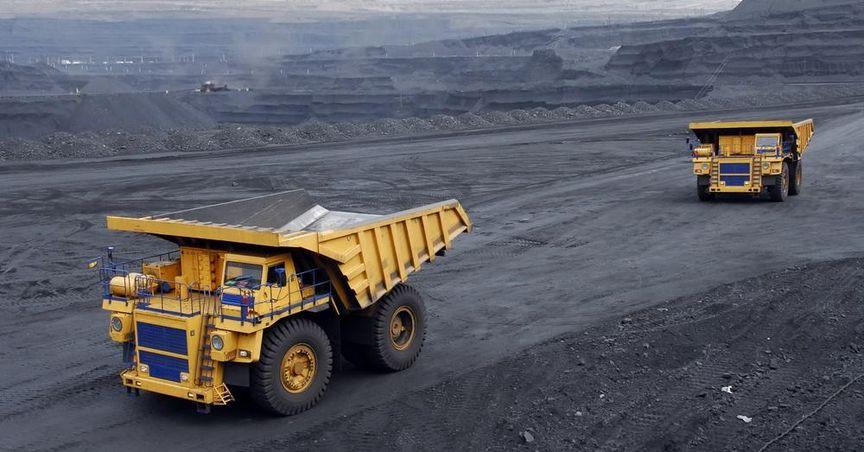
Ero Copper Corp. (TSX:ERO) is a Canadian-based mining company that specializes in copper production, primarily extracted from the Vale do Curaca Property in Brazil. The company’s operations include the extraction of copper, with gold and silver as by-products. Ero Copper is an integral part of the broader mining industry, which involves exploring and developing natural resources to meet global demands for essential commodities. As part of the TSX Small Cap Index, Ero Copper reflects the growth potential within smaller Canadian companies in the mining sector, often showcasing increased volatility and opportunities linked to global commodity trends.
The mining industry has seen a rising demand for copper, driven by its role in renewable energy and electric vehicle production, where copper is used extensively in batteries and electric systems. Ero Copper, operating within Brazil’s vast Vale do Curaca region, benefits from the area's rich mineral resources, contributing to the company’s established position as a key player in copper mining.
Despite its critical role in copper production, Ero Copper's performance is influenced by various factors, including fluctuating commodity prices, government policies, and the broader economic landscape, all of which directly impact the company’s financial outlook.
How Does Ero Copper Corp. Contribute to the Global Copper Supply Chain?
Ero Copper’s operations are strategically located within one of Brazil’s most significant copper-producing regions. The Vale do Curaca Property, where the company operates, provides essential copper supplies used across multiple industries worldwide. The global demand for copper is particularly strong in sectors such as construction, renewable energy, and electronics, making copper a vital resource in today’s economy.
As part of the TSX Composite Index, Ero Copper's performance is frequently tracked by analysts and market participants who monitor the health of Canada’s major resources companies. Its role in the copper supply chain, both locally and globally, positions it as an essential contributor to meeting the growing demand for this base metal. The company’s ability to maintain strong production levels ensures that it continues to be a significant supplier within the copper market.
What are the Economic Trends Impacting Ero Copper’s Performance?
Several economic factors can affect the performance of Ero Copper Corp., as its business is intrinsically tied to global commodity markets. One of the primary influences on Ero’s revenue is the fluctuation in copper prices, which are subject to supply and demand dynamics in the global market. Economic booms in major markets, such as China and the European Union, typically drive up demand for copper, benefiting companies like Ero Copper.
Furthermore, inflation, interest rates, and currency fluctuations are significant macroeconomic factors that can influence mining operations. For instance, higher inflation can increase the cost of goods and services, leading to higher operating expenses. Additionally, changes in currency exchange rates, particularly the value of the Brazilian Real and the Canadian Dollar, can impact the profitability of the company, as revenues are earned in different currencies.
Ero Copper, like other companies listed on the TSX Composite Index, is also affected by broader market movements. Shifts in sentiment or commodity market volatility, often tracked by the S&P/TSX Composite Index, can drive short-term fluctuations in its stock. During periods of economic uncertainty, such as a global recession, copper may face downward pressure, which in turn can negatively affect the financial performance of companies in the mining sector.
How Does Ero Copper Manage Operational Costs in a Volatile Market?
Ero Copper operates in a market known for its volatility, where commodity prices and production costs can change rapidly. Efficient cost management is therefore crucial to the company’s ability to maintain stability. Ero Copper has focused on optimizing its operational processes, especially in its Caraiba Mill, which processes the ore extracted from the Pilar underground mine. As part of the TSX SmallCap Index, Ero Copper is part of a select group of companies characterized by smaller market capitalizations but potential for growth, often making it sensitive to shifts in commodity prices and broader market trends.
The Caraiba Mill utilizes conventional crushing and flotation methods to process copper ores, and the company has continuously worked on improving the efficiency of these processes. This helps reduce production costs and mitigate the effects of fluctuating market prices on the company’s financial health.
In addition to optimizing operations, Ero Copper must also manage environmental and regulatory compliance costs. As regulations in the mining industry become stricter, the cost of adhering to environmental standards, including waste management and water usage, can impact the bottom line.
What Role Does Ero Copper Play in the Energy Transition?
The global energy transition is one of the most significant trends affecting the mining sector. As countries shift toward renewable energy, the demand for copper has risen due to its essential role in green technologies. Copper is used in solar panels, wind turbines, electric vehicle batteries, and other renewable energy systems, making it a critical material for the energy transition. Ero Copper, (TSX:ERO) with its focus on copper production, stands to benefit from these changes. As part of the TSX SmallCap ETF, the company is included in an exchange-traded fund that represents smaller companies with growth potential, positioning it to capture the upward trajectory of demand for copper and other essential minerals in the evolving energy market.
Ero Copper, as a key supplier of copper, is directly involved in supporting these transitions by providing the necessary raw materials for clean energy technologies. The company’s role in the energy transition aligns with global efforts to reduce carbon emissions and increase the use of sustainable energy sources.
While the company continues to focus on its traditional mining operations, the increasing demand for copper in renewable energy and electric vehicles presents growth opportunities. Ero Copper is well-positioned to capitalize on these trends by ensuring the availability of high-quality copper and continuing to refine its processes to meet market demand.
What Are the Risks of Regulatory and Environmental Changes for Ero Copper?
In addition to meeting these requirements, the company must also navigate local and national policies related to labor, resource extraction, and taxation. Any significant changes to these laws, such as stricter environmental standards or higher taxes on resource extraction, could increase operational costs and impact profitability.
As Ero Copper continues to expand its operations, it will need to monitor and adapt to any regulatory changes that could affect its ability to operate efficiently in Brazil. Staying ahead of regulatory trends and maintaining good relationships with local governments and communities will be essential to minimizing risks associated with compliance.
What Impact Do Global Economic and Geopolitical Events Have on Ero Copper’s Operations?
Ero Copper’s (TSX:ERO) operations are not limited to the Brazilian market; the company’s copper is part of a global supply chain. As such, global economic and geopolitical events can have significant impacts on the company’s performance. For instance, trade tensions, political instability, and changes in government policies in copper-producing regions can affect the price of copper and disrupt supply chains.
Geopolitical instability in regions where Ero Copper sources its materials or sells its products can also affect its business. The company’s ability to manage these risks and continue production in the face of such challenges is key to maintaining a stable business. Trade agreements, commodity tariffs, and geopolitical events such as conflicts or sanctions can create uncertainty in the market, influencing copper prices and affecting Ero Copper’s revenue.
How Is Ero Copper Positioned for Long-Term Success?
Ero Copper Corp. is positioned for long-term success due to its strategic operations in the Vale do Curaca Property, a region rich in copper and other valuable minerals. As the demand for copper continues to rise, particularly in the renewable energy sector, Ero Copper stands to benefit from these trends by continuing to provide a stable supply of copper.
The company’s commitment to sustainability and efficient production practices ensures that it can meet the growing demand for copper while maintaining a focus on reducing its environmental impact. Furthermore, Ero Copper’s solid operational foundation, bolstered by its presence in the TSX Composite Index, provides a strong platform for Long term growth.
