
 AUS
AUS
 NZ
NZ
 UK
UK
 CA
CA
 USA
USA
 IND
IND





Highlights
- Mining sector activity remained closely tied to silver and gold production trends across resource regions.
- Avino Silver & Gold Mines reported stronger operational margins alongside expanding production activity.
- Precious metals operations and project development shaped discussion surrounding the TSX Smallcap Index.
Avino Silver and Gold Mines remained active within the TSX Smallcap Index as silver production, mining development, and exploration activity shaped broader resource sector discussion.
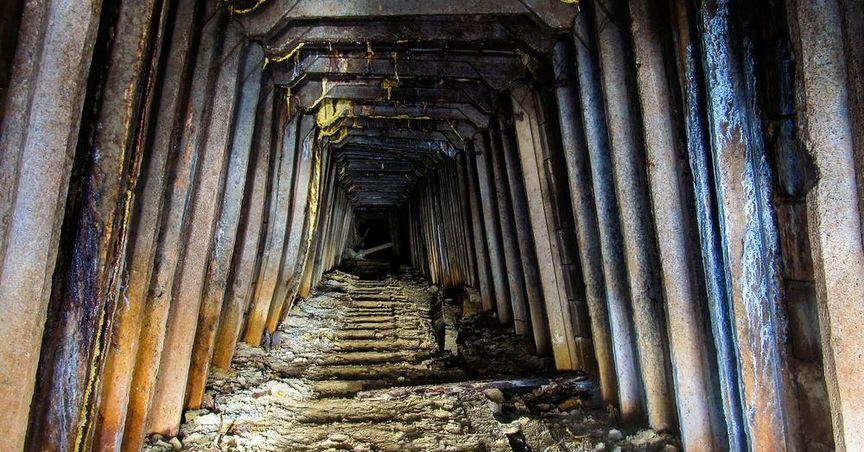
Avino Silver & Gold Mines operates within the mining and metals sector, focusing on silver and gold exploration, extraction, and processing activities. Mining companies continued adapting operational structures according to commodity demand, production conditions, and resource development activity across North America. Recent reporting surrounding the company reflected attention on operational margins, production expansion, and broader mining sector conditions connected with the TSX Smallcap Index.
Precious Metals Sector Activity
Mining companies remained central to resource development through exploration programs, mineral extraction operations, and refining activity. Precious metals producers frequently focused on silver and gold resources used across manufacturing, technology, and financial markets.
Avino Silver & Gold Mines (TSX:ASM) maintained operations involving mineral exploration, mine development, and processing facilities supporting silver and gold production. Mining projects often required extensive geological surveys, equipment coordination, and environmental management systems throughout operational phases.
Sector conditions additionally reflected movement across commodity markets, transportation networks, and industrial processing activity. Mining companies regularly coordinated with equipment suppliers, logistics providers, and refining facilities supporting mineral transportation and processing operations.
Extraction activity also remained dependent on infrastructure conditions involving access roads, water systems, and power generation capabilities. Remote mining operations frequently required extensive logistical planning to support continuous production activity.
Environmental management formed another important component within the mining sector. Resource companies coordinated land reclamation procedures, water treatment systems, and emissions management programs linked to operational oversight requirements.
Margin Expansion and Operational Conditions
Recent discussion surrounding Avino Silver & Gold Mines focused on expanding operational margins and stronger production activity within the mining sector. Resource extraction companies frequently experience changing operational conditions linked to commodity movement, equipment maintenance, and processing efficiency.
Mining operations additionally remained connected to ore quality, extraction volumes, and transportation coordination across production sites. Processing facilities relied on continuous operational management supporting mineral recovery and refining procedures.
Sector discussion also reflected movement across resource companies connected with the TSX Smallcap Index. Precious metals producers continued adapting extraction strategies according to changing market conditions and production requirements.
Processing efficiency remained another important area within mining operations. Crushing systems, milling facilities, and refining infrastructure supported mineral separation and production continuity across extraction sites.
Digital technologies increasingly supported mining operations through automated monitoring systems, geological mapping tools, and equipment diagnostics. Remote operational platforms additionally improved communication and maintenance coordination across mine locations.
Exploration and Resource Development
Mining companies frequently expanded operations through exploration programs targeting additional mineral deposits and extended resource development activity. Geological evaluation remained central to long term operational planning within the mining sector.
Avino Silver & Gold Mines (TSX:ASM) remained associated with exploration activity and production expansion across precious metals projects. Resource development often involved drilling programs, site preparation work, and infrastructure installation supporting extraction operations.
Silver and gold mining projects additionally required coordination between geologists, engineers, environmental specialists, and operational teams. Development phases commonly extended across multiple operational stages before full production activity commenced.
Infrastructure systems also remained essential across mining projects. Transportation routes, ventilation systems, and material handling facilities supported operational continuity throughout extraction and refining activity.
Mining sector activity further reflected attention toward processing efficiency and operational sustainability. Companies frequently upgraded equipment systems and refining procedures supporting production consistency and resource utilization.
Mining Infrastructure and Sector Coordination
Mining operations depended on extensive infrastructure networks supporting extraction activity and mineral transportation. Hauling systems, processing plants, and storage facilities remained closely tied to operational continuity across production sites.
Sector conditions additionally reflected movement in industrial demand for precious metals across manufacturing and commercial applications. Silver remained connected to electronics production, industrial processing, and renewable energy related manufacturing activity.
Resource extraction companies also relied on structured maintenance systems supporting machinery reliability and operational scheduling. Heavy equipment fleets required coordinated servicing and inspection procedures throughout operational cycles.
Environmental oversight remained closely connected to mining activity through land management procedures and water monitoring systems. Regulatory compliance frameworks influenced operational planning and project administration across resource sectors.
Digital transformation continued shaping mining operations through automated drilling systems, remote equipment monitoring, and geological data platforms. Technology infrastructure increasingly supported operational coordination across extraction and refining facilities.
Precious Metals Production and Industry Activity
Mining companies operated within interconnected industrial systems involving refiners, transportation providers, equipment manufacturers, and commodity processing facilities. Coordination between these sectors supported broader resource extraction activity across regional markets.
Precious metals production additionally remained tied to industrial manufacturing demand and commercial resource usage. Mining operations frequently adjusted production planning according to processing requirements and operational conditions.
Regional economic conditions also influenced mining development activity through infrastructure expansion, transportation access, and industrial project coordination. Resource companies regularly adapted operational structures according to changing production environments.
Toward recent market discussion, mining companies connected with the TSX Smallcap Index remained under attention due to expanding production activity, margin conditions, and ongoing precious metals exploration projects.
