
 AUS
AUS
 NZ
NZ
 UK
UK
 CA
CA
 USA
USA
 IND
IND




Highlights
- Yellowhead advances through formal environmental assessment processes.
- Large project scale strengthens Trekor’s copper development pipeline.
- Permitting and community engagement remain central considerations.
Trekor Metals has advanced its Yellowhead copper project into deeper environmental review, strengthening its long-term copper pipeline while permitting, community engagement, engineering and funding remain central to future progress.
Canada’s copper sector is drawing fresh attention as Trekor Metals Limited (TSX:TKO), a North American mining company with producing and development-stage assets, advances its fully owned Yellowhead copper project in British Columbia. The company has submitted a Detailed Project Description to the provincial environmental authority, moving the proposed open-pit mine further into formal environmental and Indigenous-led review. The milestone adds momentum to Trekor’s wider copper strategy while highlighting the importance of regulatory progress, community participation and disciplined project execution across TSX Metal & Mining Stocks .
Yellowhead Enters Formal Review
The Detailed Project Description marks a meaningful stage in the advancement of the Yellowhead project. It offers regulators, Indigenous communities and other stakeholders a clearer view of the proposed mine, covering its design, environmental context, infrastructure needs and anticipated regional effects. The development also adds relevance to broader discussions around companies represented within the TSX Smallcap Index.
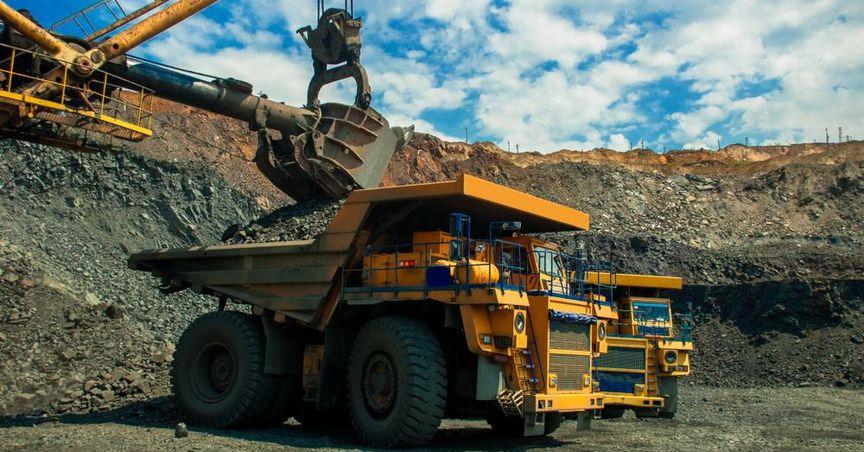
Yellowhead is planned as a large open-pit copper operation in British Columbia’s Thompson-Nicola region. Trekor has described the project as a fully owned asset capable of supporting a long operating life and adding meaningful copper production to Canada’s mining sector.
Submitting the project description does not complete the permitting process. Instead, it allows the environmental assessment to move into a more detailed stage, where potential effects, mitigation measures and community priorities can receive closer examination.
This phase will be important because large mining developments generally require extensive technical work, consultation and regulatory coordination before construction decisions can be considered.
Project Scale Draws Attention
Yellowhead’s proposed scale is a major reason the project has become central to Trekor’s longer-term business narrative.
The deposit is intended to support a multi-decade copper operation, giving the company exposure to an asset that could materially expand its production base if development progresses through assessment, permitting, financing and construction.
A recent economic impact study also examined the project’s expected contribution to employment, economic activity and public revenues across regional, provincial and national levels. Trekor (TSX:TKO) has positioned Yellowhead as a project capable of supporting regional prosperity while contributing to Canada’s copper supply.
The scale of the proposal places Yellowhead among the company’s most significant development assets. However, a large resource base alone does not guarantee a mine will reach production. Engineering, environmental review, Indigenous consultation, infrastructure planning and funding must all advance together.
Copper Demand Supports Context
Copper remains a critical industrial metal because of its use in electricity networks, transportation, construction, manufacturing and renewable energy systems.
Electrification trends have placed greater attention on future copper availability, particularly as power grids, energy storage systems and electric transport require substantial volumes of conductive material.
Canada possesses established mining expertise, geological resources and access to major markets, making domestic copper projects increasingly relevant within broader discussions about critical mineral supply chains.
Yellowhead’s advancement therefore comes at a time when long-duration copper assets are receiving heightened attention across the global resources sector.
Even so, commodity demand represents only one part of the development case. Project economics, construction requirements, operating costs and environmental responsibilities remain equally important.
Indigenous Review Remains Essential
The environmental assessment process includes engagement with Indigenous communities whose territories, rights and interests may be affected by a proposed development.
Yellowhead is located within the traditional territory of the Simpcw First Nation. Historical project information indicates that the developer has worked with Simpcw representatives to better understand community priorities and incorporate feedback into project planning.
Meaningful participation can help shape decisions involving land use, water management, cultural values, employment, procurement and long-term environmental monitoring.
For Trekor (TSX:TKO), continued engagement will be central to the project’s progress. Regulatory advancement and community relationships are closely connected, particularly for major resource developments with long operating timelines.
The assessment process gives communities an opportunity to examine project details and raise concerns before regulatory decisions are made.
Florence Adds Nearer-Term Context
While Yellowhead represents a longer-duration development asset, the Florence Copper project provides a nearer-term component of Trekor’s wider copper strategy.
Florence is designed as a lower-impact copper operation using in-situ recovery methods rather than a conventional large open pit. Progress at Florence is relevant because it may influence Trekor’s operational capacity, financial flexibility and ability to advance other projects.
The production ramp-up at Florence can also provide evidence of the company’s ability to move a development asset through construction and into commercial operations.
Successful execution would strengthen Trekor’s operating base. Delays or technical challenges, by contrast, could affect the timing and resources available for Yellowhead.
This connection means the two projects should not be viewed entirely separately. Florence represents a nearer-term operating priority, while Yellowhead provides longer-term scale.
Existing Assets Support The Pipeline
Trekor’s broader portfolio includes producing operations and development projects across North America.
An established operating base can support technical expertise, workforce development and financial capacity. It also gives the company experience managing large mining assets under changing commodity and regulatory conditions.
For Yellowhead, this background may prove important as the project moves through increasingly detailed engineering and environmental stages.
However, advancing a major new mine can require substantial capital and management attention. The company will need to balance spending across existing operations, Florence’s development and Yellowhead’s assessment work.
Capital discipline is therefore likely to remain an important part of the corporate narrative.
Environmental Questions Stay Central
Copper projects can provide economic benefits, but they also require careful consideration of land disturbance, water use, waste management, biodiversity and long-term reclamation.
The environmental assessment will examine how Yellowhead could affect the surrounding region and whether proposed mitigation measures are sufficient.
Water management is likely to be particularly important because mining operations must control contact water, process water and potential effects on nearby ecosystems.
Tailings and waste-rock management will also require detailed engineering designed to support long-term physical and chemical stability.
These matters are not secondary to the development process. They are central factors that can influence project design, regulatory conditions, construction timing and long-term operating responsibilities.
Economic Benefits Need Balance
The economic impact study associated with Yellowhead outlines anticipated contributions through employment, business activity, taxation and supply-chain spending.
Large mining projects can create demand for construction services, transportation, equipment, engineering and local suppliers. During operations, they may also support skilled employment and regional infrastructure.
Such benefits can be meaningful for nearby communities and the broader economy.
At the same time, economic contributions must be considered alongside environmental and social responsibilities. Public acceptance often depends on whether expected benefits are distributed fairly and whether concerns are addressed transparently.
Trekor’s ability to demonstrate balanced outcomes will therefore be important throughout the assessment process.
Permitting Remains A Key Test
The latest filing marks meaningful progress for Yellowhead, although the project must still move through an extensive review and approval process before any construction decision. Its advancement also highlights continued development activity across TSX Metal & Mining Stocks .
Regulators may request additional information, design changes or mitigation commitments. Indigenous consultation may also shape the project’s layout, operating plans and monitoring requirements.
Large projects can experience changing timelines as technical studies are refined and stakeholder feedback is incorporated.
This uncertainty is normal for complex mine development, but it remains highly relevant when evaluating how quickly Yellowhead might contribute to Trekor’s operating portfolio.
The project’s scale strengthens its strategic importance, while the remaining regulatory work limits certainty around timing.
Capital Requirements Could Be Significant
Developing a large open-pit copper mine generally requires substantial expenditure on site preparation, processing facilities, power systems, water infrastructure, roads and supporting equipment.
The eventual funding approach could involve operating cash flow, debt, strategic partnerships or other corporate financing arrangements.
Trekor’s (TSX:TKO) existing operations and Florence development may help support its broader financial position, but Yellowhead’s size means funding decisions will remain an important consideration.
Construction costs may also change over time due to labour availability, equipment pricing, inflation and engineering modifications.
For this reason, future technical updates and capital estimates will be closely watched as the assessment advances.
Scale Strengthens Long-Term Optionality
Yellowhead expands the range of outcomes within Trekor’s copper portfolio.
If the project progresses successfully, it could provide a long-duration source of production beyond the company’s existing mines and nearer-term development assets.
That optionality becomes especially relevant in a market where large copper deposits can be difficult to discover, permit and construct.
However, long-term optionality should not be confused with near-term operating certainty. Yellowhead remains a development-stage project that must satisfy environmental, technical, social and financial requirements.
Its value to the company will become clearer as additional milestones are completed.
Market Focus Turns To Execution
The Detailed Project Description marks visible progress, but future attention will likely centre on execution.
Key developments may include regulatory feedback, Indigenous engagement, updated engineering, environmental studies and further clarity around project economics.
Progress at Florence Copper will also remain relevant because it may affect how Trekor funds and prioritises its broader development pipeline.
Together, these factors will determine whether Yellowhead advances from a large mineral asset into a permitted and financially viable mine.
The current milestone strengthens the strategic case for Trekor’s (TSX:TKO) copper portfolio, but the environmental assessment process remains the decisive next phase.
