
 AUS
AUS
 NZ
NZ
 UK
UK
 CA
CA
 USA
USA
 IND
IND






Highlights
- Canadian railway activity remained closely tied to freight transportation and logistics demand across North America.
- Operational efficiency and cargo movement continued shaping railway sector conditions throughout Canada and the United States.
- Canadian National Railway maintained focus on network connectivity, commodity transportation, and infrastructure coordination.
S&P/TSX 60 highlights transportation sector developments surrounding Canadian National Railway, including freight movement, logistics operations, rail infrastructure, and commercial cargo transportation activity.
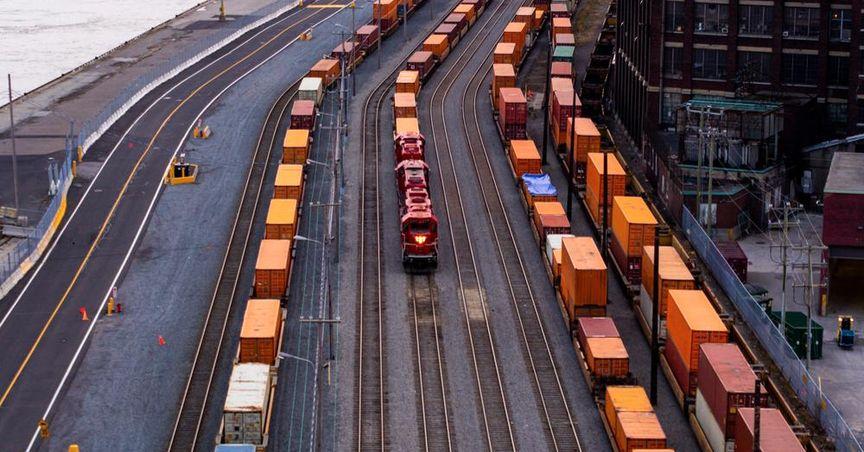
S&P/TSX 60 continued reflecting activity across transportation and logistics companies as freight movement remained central to industrial and commercial supply chains throughout North America. Railway companies across the sector navigated changing shipment patterns linked with agriculture, automotive manufacturing, forest products, petroleum distribution, and container transportation. Canadian National Railway Company remained among the largest railway operators within Canada, connecting ports, inland terminals, manufacturing centers, and cross border trade corridors through an extensive rail network.
Transportation Sector Activity
Rail transportation remained an essential component of the Canadian transportation sector, supporting cargo movement between industrial regions and coastal trade gateways. Railway operators coordinated shipments involving grain, forestry products, chemicals, automotive cargo, and intermodal containers throughout large geographic regions.
Operational conditions across the railway sector reflected broader economic activity tied to manufacturing, construction, and commodity movement. Freight transportation volumes also remained linked with shipping demand from industrial facilities and agricultural exporters.
Canadian National Railway Company (TSX:CNR) continued operating across major rail corridors spanning Canada and portions of the United States. Long haul rail services supported commercial distribution channels connecting western ports, central manufacturing regions, and eastern trade routes. Logistics coordination and rail infrastructure management remained central operational priorities across the sector.
Rail transportation networks also supported inland supply chains connected with marine terminals and warehouse facilities. Cargo handling efficiency and scheduling coordination continued shaping transportation activity throughout railway operations.
Earnings Movement and Operational Trends
Recent quarterly disclosures reflected relatively stable revenue conditions alongside softer earnings compared with the prior comparable period. Transportation expenses, operational adjustments, and freight activity remained important influences across railway sector performance.
Railway operations frequently respond to weather conditions, fuel expenses, labor coordination, and infrastructure maintenance requirements. Seasonal cargo movement involving agricultural shipments and industrial commodities also contributed to operational variation throughout the sector.
Commercial freight transportation remained tied to broader manufacturing activity across North America. Automotive shipments, forest product distribution, and petroleum transportation continued representing important cargo categories within railway operations. Intermodal transportation involving shipping containers also remained active due to continued trade activity between ports and inland distribution centers.
Dividend declarations remained part of recent company announcements connected with Canadian railway operations. Transportation companies often maintain regular shareholder distributions while balancing infrastructure spending and operational requirements across extensive rail systems.
Infrastructure and Logistics Coordination
Railway infrastructure remained central to cargo transportation throughout Canada and the United States. Rail corridors connected ports with manufacturing facilities, warehouses, and agricultural regions across large geographic areas. Efficient scheduling and network coordination continued supporting commodity movement across interconnected transportation systems.
Canadian National Railway Company (TSX:CNR) maintained operations involving freight rail services and logistics coordination throughout major commercial regions. Railway transportation supported supply chains connected with grain movement, industrial materials, automotive manufacturing, and consumer goods distribution.
Transportation infrastructure also remained linked with economic development across industrial regions. Rail access frequently supports manufacturing operations, agricultural export facilities, and commercial distribution hubs requiring large scale cargo movement.
Freight rail companies continued coordinating with ports, trucking providers, and warehouse operators to maintain cargo flow across integrated logistics systems. Intermodal transportation activity remained an important component within broader commercial transportation networks.
Sector Conditions and Freight Demand
Railway sector conditions reflected changing demand across several commodity categories. Agricultural shipments remained tied to harvest conditions and export activity, while industrial freight movement responded to manufacturing output and construction related demand.
Forest product transportation and petroleum shipments also remained important components of railway cargo movement throughout Canada. Commodity transportation volumes frequently shift according to industrial production levels and commercial distribution requirements.
Weather conditions occasionally affected rail schedules and infrastructure activity across large transportation networks. Snowfall, flooding, and extreme temperatures sometimes influenced freight movement and maintenance coordination within railway operations.
Within S&P/TSX 60, transportation companies continued attracting attention due to large scale infrastructure operations and extensive logistics connectivity. Railway transportation remained closely associated with commercial supply chains supporting domestic distribution and international trade activity throughout North America.
Freight Rail and Commodity Transportation
Commodity transportation continued forming a major portion of railway activity across Canada. Grain shipments from agricultural regions moved toward export terminals, while industrial materials traveled between manufacturing centers and distribution facilities. Petroleum, chemicals, and automotive cargo also represented important freight categories throughout railway operations.
Cross border trade routes supported commercial transportation activity between Canada and the United States. Railway systems connected inland markets with ports and industrial corridors, enabling long distance cargo movement across integrated logistics networks.
Transportation companies throughout the railway sector continued focusing on operational efficiency, scheduling coordination, and infrastructure maintenance. Rail systems require extensive track management, equipment servicing, and cargo handling coordination to maintain freight movement across broad geographic regions.
Commercial transportation activity remained closely tied to broader economic conditions involving manufacturing output, commodity demand, and distribution requirements. Railway operations continued supporting supply chain connectivity across several industrial sectors throughout North America.
