
 AUS
AUS
 NZ
NZ
 UK
UK
 CA
CA
 USA
USA
 IND
IND





Highlights
- CN supports industrial development through strategic rail-linked infrastructure.
- Alberta project strengthens focus on circular economy logistics.
- Rail connectivity remains central to long-term network expansion.
Canadian National Railway is reinforcing its transportation network through a new Alberta industrial partnership, highlighting the growing role of rail infrastructure in supporting recycling, manufacturing and integrated supply chains.
Canadian National Railway Company (TSX:CNR) continues to strengthen its presence across Canada's industrial supply chain through new infrastructure partnerships that extend beyond traditional freight transportation. The company's latest collaboration in Alberta involves a planned plastics recycling facility that will be connected directly to its rail network, highlighting how logistics infrastructure can support emerging industrial projects. As one of Canada's largest transportation companies and a key constituent of the S&P/TSX Composite Index, Canadian National Railway continues expanding its role in serving manufacturing, energy and resource-based industries.
Alberta Project Broadens Industrial Reach
Canadian National Railway has entered into a long-term agreement supporting the development of an advanced plastics recycling facility within Alberta's Industrial Heartland. The planned project is expected to operate from land adjacent to the company's Scotford Yard, providing direct rail connectivity for inbound materials and outbound products.
The facility is designed to process difficult-to-recycle plastics into hydrocarbon-based products that can be used within industrial supply chains. Rail access is expected to play an important role in moving raw materials into the facility while supporting efficient product distribution across domestic and international markets.
The initiative reflects the growing relationship between transportation infrastructure and Canada's expanding circular economy.
Rail Network Supports Diverse Industries
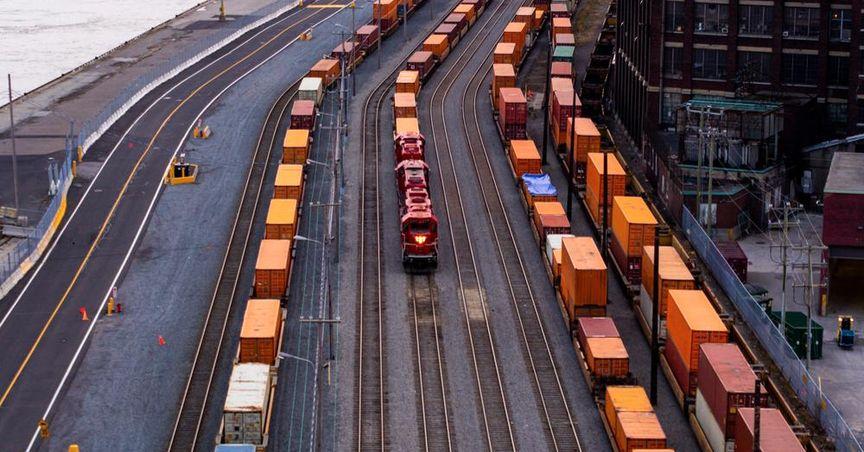
Canadian National Railway (TSX:CNR) operates one of North America's largest rail systems, linking ports on the Atlantic, Pacific and Gulf coasts with manufacturing centres, agricultural regions and resource-producing areas.
Its extensive network enables the transportation of commodities including energy products, chemicals, forest products, grain, automotive shipments and intermodal freight. Industrial developments located alongside major rail corridors often benefit from efficient transportation links that support supply chain operations.
The Alberta recycling project demonstrates how rail infrastructure can also support newer industries focused on sustainable manufacturing and resource recovery.
Circular Economy Continues Growing
The circular economy aims to reduce waste by extending the useful life of materials through recycling, reuse and resource recovery. Advanced recycling technologies have become increasingly important as industries seek alternatives for managing plastic materials that are difficult to recycle through conventional methods.
Facilities capable of converting used plastics into industrial feedstocks represent an emerging segment within Canada's manufacturing landscape. Transportation infrastructure remains essential for connecting these facilities with suppliers, processors and end markets.
Canadian National Railway's participation highlights how logistics providers can contribute to broader industrial development while supporting efficient movement of goods.
Alberta Strengthens Industrial Position
Alberta continues attracting industrial investment across energy, petrochemicals, manufacturing and logistics. The province's established transportation infrastructure, combined with access to industrial land and skilled workforce, has supported the development of large-scale processing facilities.
The location of the proposed recycling project within Alberta's Industrial Heartland places it alongside existing petrochemical operations and transportation networks, creating opportunities for integrated industrial activity.
For Canadian National Railway, developments in the region continue reinforcing the strategic importance of western Canada within its broader freight network.
Infrastructure Remains A Strategic Asset
Rail infrastructure continues serving as one of Canada's most important transportation assets. By connecting producers with domestic and export markets, railways support industries ranging from agriculture and mining to manufacturing and energy.
Canadian National Railway (TSX:CNR) continues investing in network efficiency, operational reliability and infrastructure capacity to meet evolving freight requirements. Industrial partnerships located near major rail corridors can further strengthen utilisation of existing transportation assets while supporting regional economic activity.
The company's integrated network remains a key component of Canada's supply chain.
Industrial Partnerships Continue Evolving
Large transportation companies increasingly collaborate with industrial developers seeking efficient logistics solutions. Direct rail access provides manufacturers and processing facilities with opportunities to streamline freight movement while improving connectivity with broader supply chains.
Projects involving recycling, petrochemicals and resource processing continue illustrating how transportation infrastructure supports industrial diversification across Canada.
Canadian National Railway's latest Alberta initiative reflects this broader trend of combining logistics capabilities with long-term industrial development.
Transportation Sector Maintains Momentum
Canada's transportation industry continues evolving alongside developments across TSX Industrial Stocks and TSX Infrastructure and Real Estate . As new manufacturing and resource projects emerge, integrated transportation networks remain essential for connecting production centres with customers across North America.
Canadian National Railway's (TSX:CNR) involvement in Alberta's planned recycling hub demonstrates how rail infrastructure continues supporting both established industries and emerging industrial technologies while reinforcing its role within Canada's evolving logistics landscape.
