
 AUS
AUS
 NZ
NZ
 UK
UK
 CA
CA
 USA
USA
 IND
IND

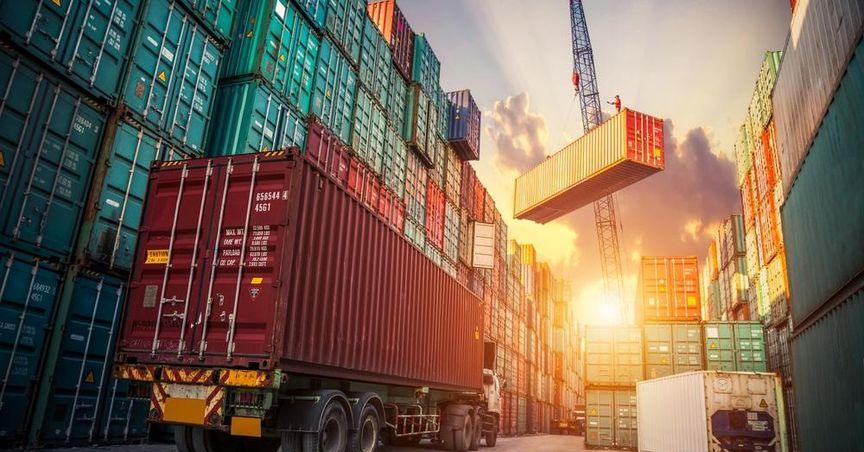





Highlights
- Mullen Group operates within the transportation and logistics services sector in North America.
- The company provides a wide range of freight, warehousing, and supply chain solutions.
- Market activity surrounding logistics firms often aligns with broader indicators such as the s&p tsx composite.
Canada’s transportation and logistics sector plays a central role in connecting industries, supply chains, and regional markets. Mullen Group Limited (TSX:MTL) operates within this environment as a diversified logistics provider offering freight transportation, warehousing, and distribution services across North America. Companies in this sector frequently draw attention within broader market discussions linked to benchmarks such as the s&p tsx composite, which represents a wide spectrum of industries including industrial services, financials, and energy. The presence of logistics companies within this framework reflects their role in supporting trade and economic activity across multiple sectors.
Mullen Group Limited has developed an operational structure centered on a network of independently managed businesses. This structure allows the organization to deliver specialized services tailored to diverse customer requirements across transportation, storage, and distribution functions. Through these operations, the company remains integrated into supply chain systems supporting industries such as manufacturing, retail, construction, and energy.
Transportation Services Across Freight Segments
Freight transportation represents a core component of logistics operations. Mullen Group provides services across several transportation segments, including truckload, less than truckload, and specialized hauling. These services facilitate the movement of goods across regional and cross border routes, connecting production centers with distribution hubs and end markets.
Truckload transportation involves the movement of large shipments directly from origin to destination using dedicated vehicles. This method is commonly used for bulk goods and time sensitive deliveries requiring minimal handling. Less than truckload services consolidate smaller shipments from multiple customers into shared transport routes, optimizing efficiency across distribution networks.
Specialized hauling services address the transportation of oversized or unconventional cargo. These services often involve tailored equipment and route planning to accommodate goods that require unique handling conditions. Through these offerings, logistics providers support industries that rely on the movement of heavy machinery, construction materials, and industrial components.
Warehousing and Distribution Capabilities
Warehousing and distribution services form another essential element of logistics operations. Facilities designed for storage and inventory management enable companies to maintain supply chain continuity while responding to demand fluctuations across markets. Mullen Group maintains a network of warehousing facilities supporting the storage and handling of goods across multiple regions.
Distribution services coordinate the movement of goods from storage facilities to final destinations. These operations often involve inventory management systems, order processing, and transportation scheduling. Integration of warehousing and distribution services allows logistics providers to offer end to end solutions within supply chains.
Transload services further enhance distribution capabilities by enabling the transfer of goods between different modes of transportation. For example, goods may be transferred from rail to truck or from ship to land based transport systems. This flexibility supports efficient movement of cargo across complex transportation networks.
Third Party Logistics and Supply Chain Integration
Third party logistics services extend beyond transportation and storage by offering comprehensive supply chain management solutions. These services involve coordination of transportation, warehousing, inventory management, and distribution processes within a unified operational framework.
Mullen Group Limited (TSX:MTL) provides third party logistics services that integrate various supply chain functions for customers across industries. These services often include planning, coordination, and execution of logistics activities aimed at improving operational efficiency within supply chains.
Supply chain integration has become increasingly important in industries where timely delivery and inventory management are critical to operations. Logistics providers leverage technology platforms, tracking systems, and data management tools to support visibility and coordination across supply chain networks.
Infrastructure and Operational Network
Logistics operations rely on a network of infrastructure components that enable the movement and storage of goods. Transportation fleets, distribution centers, warehousing facilities, and logistics hubs form the backbone of these operations. Mullen Group operates through a decentralized structure in which individual business units manage specific service offerings while contributing to a broader operational network.
This decentralized model allows flexibility in responding to regional market conditions while maintaining a unified service framework across the organization. Each operating unit focuses on specific logistics functions such as freight transport, warehousing, or specialized hauling, contributing to a comprehensive portfolio of services.
Technological advancements also play a role in logistics operations. Digital tracking systems, route optimization tools, and inventory management platforms support coordination across transportation and distribution networks. These tools enable real time monitoring of shipments and enhance operational visibility throughout the supply chain.
Logistics Sector Within Canadian Market Benchmarks
Transportation and logistics companies represent an important segment within Canadian market indicators such as the s and p tsx composite index. This benchmark includes companies across sectors including industrial services, financial institutions, energy producers, and materials companies. Logistics providers contribute to the industrial segment by facilitating the movement of goods that support economic activity across these sectors.
The role of logistics companies extends beyond transportation alone. By connecting supply chains, these organizations enable the distribution of raw materials, finished products, and industrial components across regional and international markets. This connectivity supports trade, manufacturing, and consumption patterns within the broader economy.
