
 AUS
AUS
 NZ
NZ
 UK
UK
 CA
CA
 USA
USA
 IND
IND






Highlights:
Air Canada (TSX:AC) operates in the commercial aviation sector and is listed on the TXCX and TXFO indices.
The company maintains an extensive domestic and international route network.
Operational updates continue to reflect evolving service capabilities and fleet utilization.
Air Canada (TSX:AC), listed on both the S&P/TSX Composite Index (TXCX) and the TSX Completion Index (TXFO), functions within the commercial aviation sector. The company manages both passenger and cargo transportation through an integrated network spanning domestic and international routes. This sector supports economic mobility, tourism, and trade by providing essential transport services to individuals and businesses.
The airline industry involves a complex combination of logistics, infrastructure, and regulatory compliance. Carriers such as Air Canada are central to facilitating connectivity across various regions, supported by significant investments in fleet operations and route planning.
Fleet Operations and Route Coverage
Air Canada operates a fleet composed of wide-body and narrow-body aircraft, enabling flexibility across short-haul and long-haul routes. The company’s aircraft serve major airport hubs across North America, Europe, Asia, and other global destinations. The airline's cargo services are managed through belly freight on passenger flights as well as dedicated freighter operations.
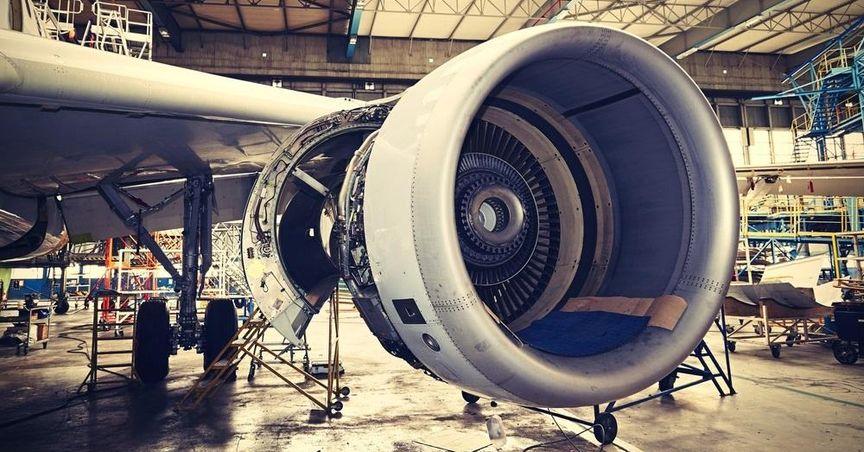
Fleet management practices include regular maintenance scheduling, aircraft upgrades, and fuel efficiency strategies, aligning operations with environmental and economic objectives. This fleet structure supports year-round service and seasonal route adjustments.
Infrastructure and Strategic Positioning
The company maintains operational hubs in major Canadian cities, supported by ground services, maintenance hangars, and administrative offices. These hubs facilitate flight connections and efficient baggage and cargo processing. Strategic partnerships and code-share agreements expand Air Canada’s reach beyond its operated routes, enhancing service access for travelers and cargo clients.
Technology integration has supported improvements in booking, check-in, and flight management systems. The digitalization of operations also contributes to optimizing resource allocation and real-time service adjustments.
Revenue Streams and Service Divisions
Air Canada generates revenue through a mix of passenger fares, cargo shipments, loyalty program activity, and ancillary services such as seat selection, baggage handling, and in-flight offerings. The Aeroplan loyalty program serves as a customer retention and engagement tool, allowing users to earn and redeem points across a broad partner network.
Cargo operations have become increasingly relevant, especially for time-sensitive and high-value shipments. Through partnerships and logistics coordination, the airline supports industries requiring expedited delivery services globally.
Regulatory Compliance and Sustainability Measures
As part of the aviation sector, Air Canada is subject to civil aviation regulations in Canada and other countries where it operates. These include safety audits, emissions standards, and accessibility requirements. Environmental measures involve fleet modernization, sustainable aviation fuel research, and carbon offset programs.
Ongoing monitoring of airspace rules, international agreements, and operational protocols ensures that service delivery aligns with evolving aviation standards. Air Canada's participation in industry-wide sustainability efforts reflects broader environmental initiatives supported across the sector.
