
 AUS
AUS
 NZ
NZ
 UK
UK
 CA
CA
 USA
USA
 IND
IND






Highlights
- Rail transportation activity remained active across North American freight corridors.
- Intermodal network expansion continued shaping logistics sector attention.
- Cross-border transportation links supported broader supply chain connectivity.
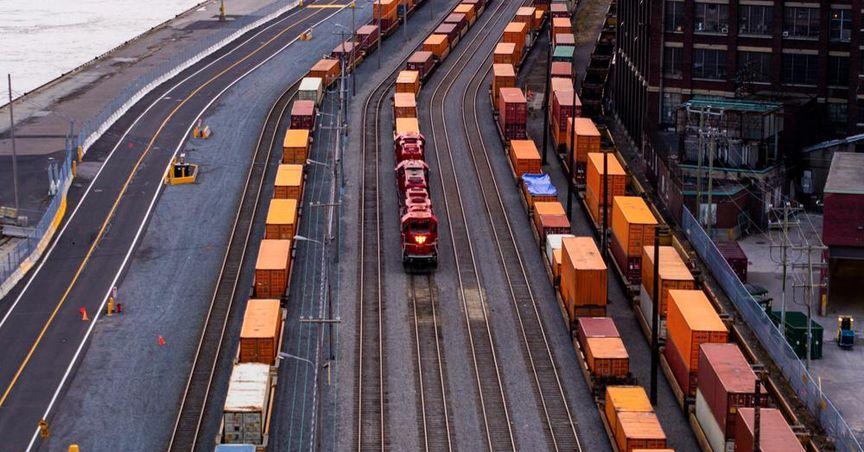
Canadian Pacific Kansas City remained active within the S&P TSX Index transportation sector through rail modernization, logistics coordination, and expanding intermodal freight operations.
The transportation and logistics sector continues evolving through rail modernization, intermodal expansion, and cross-border freight coordination across North America. Within Canadian equity markets, the S&P TSX Index remains closely connected to industrial and transportation companies operating large-scale infrastructure networks. Against this backdrop, Canadian Pacific Kansas City has drawn market attention following service upgrades connected to freight transportation between Canadian, American, and Mexican trade corridors.
Rail Transportation and Freight Sector Activity
Rail transportation continues serving a central role within industrial supply chains across North America. Freight movement linked to agriculture, automotive manufacturing, industrial equipment, and consumer goods remains heavily dependent on railway infrastructure connecting ports, production facilities, and inland distribution hubs.
Canadian Pacific Kansas City (TSX:CP) operates an extensive rail network spanning Canada, the United States, and Mexico. The company’s transportation system supports cross-border freight movement through interconnected rail corridors linking major industrial and commercial regions throughout North America.
Recent operational developments involving intermodal transportation and logistics coordination have highlighted the growing importance of integrated freight systems. Rail companies continue refining transit schedules, terminal operations, and cargo handling processes to improve transportation efficiency and streamline delivery networks.
The transportation sector has also experienced continued attention tied to infrastructure modernization and supply chain resilience. Rail operators remain connected to broader economic activity through freight demand linked to manufacturing output, agricultural exports, and industrial production.
Intermodal Expansion and Service Upgrades
Intermodal transportation has become increasingly important within the logistics sector as companies seek integrated shipping systems connecting rail, trucking, and maritime transport networks. Rail operators continue developing freight corridors capable of supporting faster cargo movement across regional and international markets.
Canadian Pacific Kansas City (TSX:CP) recently upgraded freight service linked to Southeast Mexico transportation corridors through expanded intermodal coordination and dedicated train operations. Service enhancements connected to cross-border cargo movement have reflected broader transportation trends emphasizing efficiency and network integration.
Railway infrastructure remains essential for transporting bulk commodities, industrial materials, and containerized freight across long-distance corridors. Transportation companies continue investing in terminal modernization, track maintenance, and operational technology to support freight mobility across multiple regions.
Intermodal logistics systems also contribute to broader trade activity between Canada, the United States, and Mexico. Rail connectivity remains closely tied to manufacturing supply chains and agricultural transportation routes spanning North American markets.
Cross-Border Trade and Industrial Connectivity
Cross-border transportation activity remains central to rail sector operations throughout North America. Freight rail systems support industrial connectivity through cargo movement involving automotive components, energy products, agricultural goods, and consumer merchandise.
Canadian Pacific Kansas City (TSX:CP) maintains transportation links connecting industrial corridors throughout Canadian and American markets alongside expanding Mexican freight routes. Railway operators continue coordinating customs processes, cargo scheduling, and infrastructure integration tied to international trade flows.
Transportation demand across rail systems often reflects industrial production activity and commercial shipping volumes. Freight companies remain connected to distribution networks serving manufacturing facilities, warehouses, and port infrastructure across major trade regions.
Rail infrastructure also supports commodity transportation linked to grain shipments, energy products, and construction materials. Logistics coordination across long-haul freight systems continues shaping operational activity throughout the transportation sector.
Technology integration has also become increasingly visible across railway operations. Automated scheduling systems, cargo tracking platforms, and operational monitoring tools continue supporting transportation management across extensive rail networks.
Infrastructure Modernization and Sector Trends
Rail operators across North America continue modernizing transportation infrastructure to support freight mobility and operational coordination. Terminal expansion projects, rail corridor upgrades, and logistics optimization remain important themes throughout the transportation sector.
The s and p tsx composite continues reflecting the significance of transportation and industrial companies within Canadian equity markets. Railway businesses remain connected to supply chain infrastructure and commercial freight activity supporting domestic and international trade.
Operational efficiency remains closely tied to rail scheduling, cargo capacity management, and infrastructure maintenance. Transportation companies continue refining operational systems linked to fuel usage, rail traffic management, and intermodal coordination.
Environmental considerations have also influenced transportation planning throughout the rail sector. Freight rail systems continue participating in broader industry discussions surrounding transportation efficiency and emissions management connected to large-scale cargo movement.
Trade corridor development between Canada, the United States, and Mexico remains connected to railway expansion and logistics coordination. Rail infrastructure continues supporting manufacturing supply chains and commodity transportation linked to industrial and commercial activity across North America.
Logistics Networks and Commercial Transportation
Logistics companies and rail operators continue adapting to changing freight patterns influenced by industrial demand and supply chain restructuring. Rail transportation remains an important component within integrated commercial logistics systems supporting regional and international trade.
Interconnected rail networks continue facilitating cargo movement through inland terminals, border crossings, and distribution hubs. Freight operators maintain extensive transportation systems supporting industrial sectors ranging from agriculture and energy to automotive manufacturing and consumer products.
Commercial transportation activity also remains linked to infrastructure planning and operational coordination across multiple jurisdictions. Rail companies continue managing transportation capacity while supporting cross-border cargo mobility and industrial connectivity throughout North America.
