
 AUS
AUS
 NZ
NZ
 UK
UK
 CA
CA
 USA
USA
 IND
IND





Highlights
- Canadian National Railway expands its certified industrial site program.
- Rail infrastructure demand continues shaping transportation growth trends.
- Operational efficiency remains central to long-term market positioning.
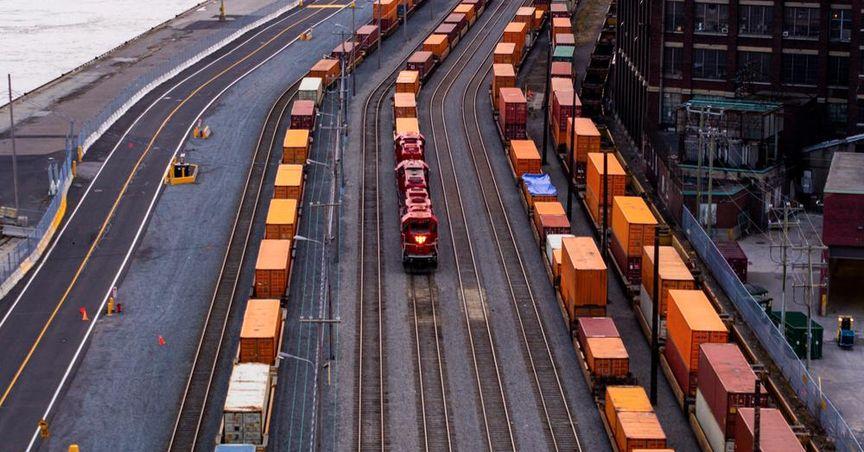
Canadian National Railway continues expanding its rail-ready industrial footprint, strengthening transportation connectivity and reinforcing its role within North America’s evolving infrastructure and logistics landscape.
Canadian railway infrastructure continues attracting market attention as Canadian National Railway Company (TSX:CNR), one of North America’s leading transportation and logistics operators, advances its industrial development strategy through new certified rail-ready locations across Canada and the United States. As a major constituent of the S&P/TSX Composite Index, the company remains closely watched for its role in freight mobility, supply chain connectivity, and industrial expansion across key trade corridors.
Rail Expansion Focus
Canadian National Railway is strengthening its industrial footprint through the expansion of its Certified Rail-Ready Sites initiative. The program is designed to accelerate industrial project development by identifying strategically positioned sites with established infrastructure readiness, transportation connectivity, and development potential.
The latest additions to the program highlight the company’s ongoing commitment to supporting manufacturing, distribution, energy, and logistics operations that depend on efficient rail transportation. The expansion also reinforces the importance of rail infrastructure in North America’s evolving supply chain landscape.
Industrial certification programs have increasingly become a competitive advantage within the transportation sector as companies seek faster access to distribution hubs, inland terminals, and multimodal freight solutions. By expanding its network of development-ready locations, Canadian National Railway is positioning itself within a broader industrial growth narrative linked to trade, manufacturing resilience, and long-term infrastructure demand.
Infrastructure Strategy Strengthens Visibility
Canadian National Railway (TSX:CNR) operates one of the largest rail networks in North America, connecting ports, industrial hubs, agricultural regions, and manufacturing centres across Canada and the United States. The company plays a critical role in transporting commodities, consumer products, automotive shipments, forest products, and intermodal freight.
The latest site additions align with broader infrastructure trends where transportation efficiency and logistics flexibility remain central priorities for industrial operators. Rail connectivity has become increasingly important for companies aiming to optimize freight movement while reducing logistical bottlenecks.
The expansion of certified industrial locations also reflects increasing competition among regions seeking large-scale industrial investments. Companies evaluating manufacturing or distribution projects often prioritize transportation accessibility, labour availability, and supply chain integration. Rail-ready infrastructure can therefore become a decisive factor in long-term development planning.
Operational Discipline Remains Key
Operational efficiency continues to shape the broader outlook for Canadian National Railway. The company has maintained focus on automation initiatives, workforce flexibility, and network optimization to strengthen operational resilience across changing freight cycles.
Efficiency improvements across the rail sector often influence scheduling reliability, fuel management, maintenance planning, and cargo handling capacity. For large-scale railway operators, disciplined operational execution can support network stability even during periods of softer industrial demand.
Canadian National Railway’s approach to balancing network investment with operational optimization has remained central to its long-term transportation strategy. The company continues investing in infrastructure modernization while also adapting to changing freight flows and evolving customer requirements.
Industrial Demand Shapes Market Attention
Rail transportation remains closely tied to economic activity across manufacturing, agriculture, construction, mining, and energy sectors. As industrial production and cross-border trade evolve, railway operators frequently experience shifting freight volumes linked to broader economic conditions.
Canadian National Railway’s industrial site strategy may strengthen future freight opportunities by drawing manufacturers and logistics operators toward rail-connected regions. As Canadian National Railway Company (TSX:CNR) is associated with the S&P/TSX 60, its expanding infrastructure footprint also reflects the broader importance of rail networks in supporting long-term transportation demand across multiple industrial sectors.
The company’s expansion initiatives also arrive during a period where North American supply chains continue adapting to regionalization trends, reshoring activity, and logistics diversification. Rail infrastructure remains an essential component in supporting efficient inland freight movement and intermodal transportation.
Transportation Sector Outlook
The Canadian transportation sector continues evolving alongside changes in trade flows, industrial production, and infrastructure investment priorities. Railways remain essential to national economic activity due to their ability to transport large freight volumes across extensive geographic regions.
Canadian National Railway’s (TSX:CNR) presence across key trade corridors supports access to ports, inland terminals, and manufacturing centres. This extensive network continues to position the company as a major participant in freight mobility and logistics integration across North America.
Rail operators also continue adapting to environmental considerations and technological modernization initiatives. Fuel efficiency programs, network digitization, predictive maintenance systems, and operational automation are increasingly shaping the sector’s long-term direction.
As infrastructure spending and industrial expansion projects continue across North America, railway companies with extensive networks and strategic industrial partnerships may remain closely followed within transportation-focused market discussions.
Valuation Debate Continues
Market attention surrounding Canadian National Railway also reflects broader discussions around infrastructure-related valuations and long-term transportation demand. Rail operators are often evaluated through the lens of freight stability, network quality, operational discipline, and infrastructure relevance.
The company’s recent expansion initiatives contribute to ongoing conversations around future earnings visibility, industrial demand potential, and logistics sector resilience. Infrastructure-focused businesses frequently attract attention during periods where long-term transportation demand remains tied to economic growth and trade activity.
At the same time, broader industrial conditions, manufacturing trends, and currency movements can continue influencing freight demand patterns across rail networks. Transportation operators often navigate changing shipment volumes tied to commodity cycles and economic activity.
Long-Term Rail Connectivity Trends
North American freight transportation continues moving toward increasingly integrated logistics systems where rail connectivity, warehousing, and intermodal infrastructure operate together to improve supply chain efficiency.
Canadian National Railway’s industrial site expansion reflects this broader transition toward strategically connected freight ecosystems. Rail-linked industrial zones may continue attracting attention from companies seeking improved transportation access and distribution efficiency.
The long-term importance of rail transportation remains linked to population growth, industrial development, trade connectivity, and infrastructure modernization. Railway infrastructure continues serving as a foundational element within continental logistics and economic activity.
Canadian National Railway’s continued focus on certified industrial readiness may therefore strengthen its visibility within transportation and infrastructure discussions as companies increasingly prioritize supply chain flexibility and connectivity.
Market Focus on Industrial Logistics
Industrial logistics has become an increasingly significant theme across North American markets as companies continue reassessing production networks and transportation strategies. Railway operators capable of supporting large-scale freight movement remain central to these discussions.
Canadian National Railway’s (TSX:CNR) infrastructure positioning, industrial expansion efforts, and operational focus continue reinforcing its role within the broader transportation ecosystem. The company’s rail-ready initiatives may also support future industrial partnerships tied to manufacturing growth and distribution activity.
As infrastructure modernization and logistics optimization remain key themes across the economy, rail transportation companies continue attracting attention for their strategic importance in freight mobility and industrial connectivity.
