
 AUS
AUS
 NZ
NZ
 UK
UK
 CA
CA
 USA
USA
 IND
IND



Highlights
- Suncor Energy operates as an integrated energy company across upstream and downstream segments.
- Oil sands development, refining, and retail distribution form the core of operations.
- Sector relevance is reflected through representation in benchmarks such as the s&p 60 Index.
Suncor Energy Inc. (TSX:SU) operates within this framework as an integrated energy company with operations spanning multiple stages of the petroleum value chain. Large-scale energy corporations such as Suncor are often associated with major Canadian benchmarks like the s&p 60 Index, which reflects leading companies across sectors including energy, finance, and telecommunications. The inclusion of energy producers within this benchmark highlights the continued significance of petroleum resources within Canada’s industrial landscape.
Suncor Energy Inc. maintains a diversified operational structure that includes oil sands development, offshore production, refining, and fuel distribution. This integrated model connects upstream extraction activities with downstream processing and retail operations, forming a comprehensive energy production and supply system.
Oil Sands Development and Upgrading Operations
Oil sands resources represent one of the most significant hydrocarbon reserves in Canada. These deposits consist of bitumen embedded within sand and rock formations, requiring specialized extraction and upgrading processes to convert the resource into usable petroleum products. Suncor Energy operates large scale oil sands projects in Northern Alberta, where extraction activities focus on recovering bitumen from subsurface reservoirs.
Thermal extraction and mining techniques are commonly used within oil sands operations. Once extracted, bitumen undergoes upgrading processes designed to convert it into synthetic crude oil. Upgrading facilities remove impurities and adjust the chemical composition of bitumen, enabling it to be processed further within refining systems.
Infrastructure supporting these operations includes extraction sites, processing facilities, and pipeline networks that transport upgraded products to refineries and distribution centers. These interconnected systems form a central component of Canada’s petroleum production framework.
Offshore Exploration and Production Activities
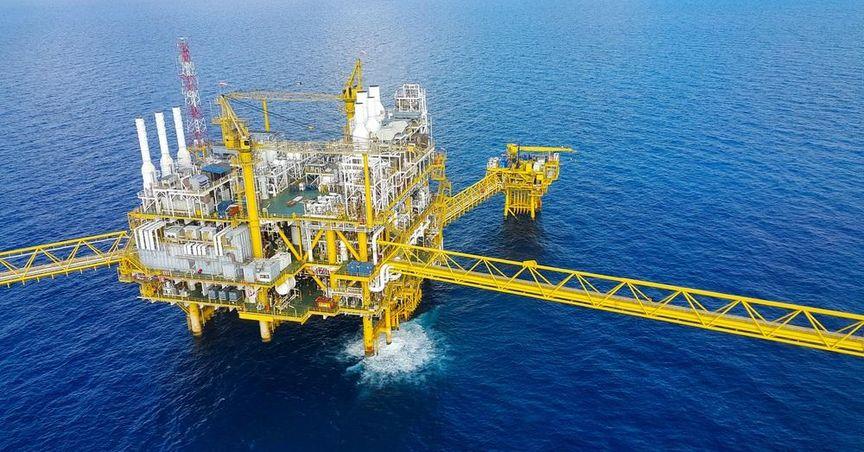
In addition to oil sands operations, Suncor Energy Inc. participates in offshore oil and gas development. Offshore production occurs in marine environments where hydrocarbon reservoirs are located beneath the seabed. These operations involve specialized infrastructure such as offshore platforms, subsea systems, and pipelines designed to transport extracted resources to onshore facilities.
Offshore exploration programs include geological surveying and drilling activities aimed at identifying and developing hydrocarbon reservoirs. Once production begins, hydrocarbons are transported through subsea pipelines to processing facilities where they undergo initial separation and stabilization.
Representation in Canadian Market Benchmarks
Large integrated energy companies remain an important component of Canadian market benchmarks such as the S&P/Tsx 60. This benchmark includes leading corporations across multiple sectors, with energy producers representing a significant share due to their scale and contribution to industrial activity.
The energy sector supports a wide network of industries including transportation, manufacturing, and petrochemical production. Through exploration, production, refining, and distribution activities, integrated energy companies contribute to the availability of fuels and energy resources used across these sectors.
The presence of Suncor Energy Inc. within such benchmarks reflects the role of integrated petroleum operations in Canada’s economic structure. These operations connect upstream resource development with downstream energy consumption across domestic and international markets.
Refining and Downstream Operations
Refining represents a critical stage within the petroleum value chain. Crude oil and synthetic crude oil produced from upstream operations are processed in refineries to create finished petroleum products such as gasoline, diesel, and other fuels. Suncor operates refining facilities in Canada and the United States, supporting the conversion of raw hydrocarbons into market-ready products.
Refining processes involve distillation, cracking, and other chemical treatments that separate crude oil into various components based on their physical and chemical properties. These processes allow refineries to produce a range of fuels and byproducts used across transportation, industrial, and commercial applications.
The downstream segment also includes distribution networks that transport refined products to end markets. Storage terminals, pipelines, and transportation systems connect refining operations with wholesale and retail distribution channels.
Retail and Distribution Networks
Suncor’s operations extend into retail and wholesale fuel distribution through established networks across Canada. Retail fuel stations operating under recognized branding provide access to gasoline, diesel, and other energy products for consumers and businesses. Wholesale distribution channels supply fuel products to commercial customers, including transportation companies and industrial users.
These distribution networks form the final stage of the petroleum supply chain, linking upstream production and refining activities with end users. The integration of production, refining, and retail operations allows for coordination across the entire energy value chain.
Energy trading activities also form part of the company’s operational structure. These activities involve the marketing and exchange of crude oil, natural gas, refined products, and power within domestic and international markets.
Energy Transition and Emerging Initiatives
Energy companies across Canada continue to explore initiatives related to evolving energy systems. Suncor Energy Inc. (TSX:SU) has engaged in projects associated with lower emissions energy sources, including renewable fuels and hydrogen development. These initiatives align with broader industry trends aimed at diversifying energy production and reducing environmental impact.
Power generation projects and alternative fuel development programs represent areas of ongoing activity within the energy sector. These initiatives complement traditional hydrocarbon operations while reflecting changing dynamics within global energy systems.
