
 AUS
AUS
 NZ
NZ
 UK
UK
 CA
CA
 USA
USA
 IND
IND





Highlights
- Crude and gas prices whipsaw as the US-Iran confrontation escalates.
- West Coast terminals send Canadian propane and butane directly to Asia.
- Regulated utility operations balance the commodity-linked export business.
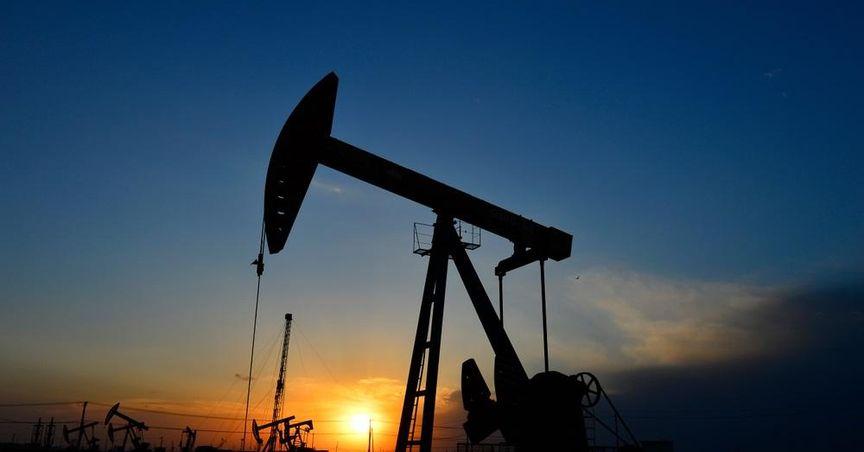
AltaGas has stayed on the radar this week as the US-Iran conflict whipsaws energy prices and new American tariffs complicate Canada's usual southbound trade. The Calgary-based operator ships propane and butane from Pacific coast terminals directly to Asia, a corridor largely outside the tariff crossfire, and has been layering long-term tolling agreements onto its export platform to reduce commodity exposure. Regulated gas utilities in the United States add steadier earnings, and a new coastal terminal under construction is expected to expand shipping capacity in the years ahead.
Energy markets lurched again today as the widening US-Iran conflict kept traders guessing about supply routes through the Gulf, while Washington's steep new tariffs on Canadian imports added a second layer of anxiety for exporters. Against that backdrop, trade corridors that bypass the United States altogether have rarely looked more valuable to Canadian producers and shippers.
AltaGas (TSX:ALA) sits at the centre of one such corridor. The Calgary-based midstream and utilities operator moves propane and butane from Western Canada to tidewater terminals on the Pacific coast, from which cargoes sail directly to Asian customers. That routing has drawn renewed notice as the TSX Completion Index drifts below record territory and tariff walls complicate southbound trade.
An Export Corridor That Skirts the Tariff Wall
Liquids gathered in Alberta travel by rail to coastal facilities in British Columbia and Washington State before crossing the Pacific. Because the end market is Asia rather than the continental United States, the export platform is comparatively insulated from the tariff dispute now weighing on much of the Canadian energy stocks complex.
Tolling Temper Commodity Swings
The company has been shifting more of its export volumes onto long-term tolling arrangements, under which counterparties shoulder commodity price risk while the operator collects fee-based revenue. A recently announced global exports tolling agreement extends that strategy, and a new coastal terminal project under construction is expected to lift shipping capacity further once complete.
Utilities Provide Ballast on the Other Side
Roughly half the business is a regulated gas distribution franchise serving customers in several American jurisdictions, including regions experiencing brisk demand growth tied to data centre construction. Those rate-regulated earnings move to a different rhythm than export margins, smoothing results when commodity markets convulse.
For those screening the market by dividend yield, that steadier utility foundation is often what places the name on income-focused lists.
Where the Story Goes From Here?
The next checkpoints include progress updates on the new export terminal, any fresh tolling commitments and commentary on utility rate proceedings. Gulf tensions could keep freight and commodity prices volatile for some time, and tariff policy remains fluid. Even so, a business built on moving Canadian energy west across the Pacific may keep drawing attention while the usual north-south trade routes stay tangled in politics.
