
 AUS
AUS
 NZ
NZ
 UK
UK
 CA
CA
 USA
USA
 IND
IND





Highlights
- Suncor Energy operates as an integrated energy company with diverse upstream and downstream activities.
- Core operations include oil sands production, refining, and fuel distribution networks.
- Industry positioning reflects the role of energy companies within the s&p composite index.
Suncor Energy Inc. (TSX:SU) operates within this environment as an integrated energy company with activities spanning multiple segments of the petroleum value chain. Companies of this scale often appear in discussions related to key market benchmarks such as the s&p composite index, which reflects corporate activity across sectors including energy, finance, and industrial production. The presence of energy producers within this benchmark highlights the importance of petroleum resources in Canada’s economic structure.
Suncor Energy Inc. conducts operations that extend from upstream resource development to downstream refining and retail distribution. This integrated structure enables the company to participate in multiple stages of hydrocarbon production and supply. Activities include oil sands extraction, offshore production, refining processes, and distribution through retail and wholesale fuel networks.
Oil Sands Development and Resource Extraction
Oil sands operations represent a core component of energy production in Western Canada. These deposits contain bitumen, a dense form of petroleum embedded within sand and rock formations. Extraction of bitumen requires specialized techniques designed to mobilize hydrocarbons from subsurface reservoirs.
Thermal recovery methods are commonly used in oil sands environments. These methods involve the application of heat to reduce the viscosity of bitumen, allowing it to flow toward production wells. Surface mining techniques may also be used in certain areas where oil sands deposits are located near the surface.
Suncor Energy Inc. operates oil sands facilities that include extraction sites, upgrading plants, and transportation systems. Upgrading processes convert bitumen into synthetic crude oil, which can then be transported to refineries for further processing into refined petroleum products.
Offshore Exploration and Production Activities
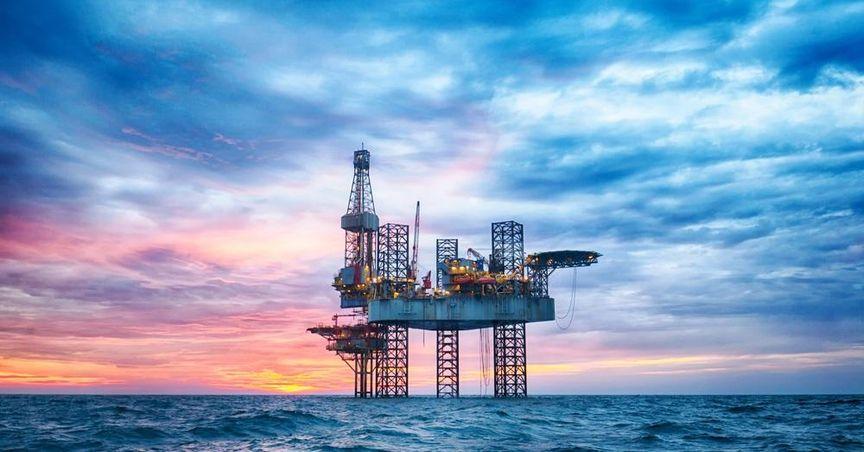
In addition to oil sands operations, offshore production forms another segment of the company’s upstream activities. Offshore hydrocarbon extraction takes place in marine environments where reservoirs exist beneath the seabed. These operations require specialized infrastructure such as offshore platforms and subsea pipelines.
Offshore production systems are designed to operate in challenging environmental conditions while maintaining consistent extraction from underwater reservoirs. Extracted hydrocarbons are transported through pipelines to onshore processing facilities where separation and stabilization processes occur.
These offshore activities complement oil sands production by diversifying the company’s resource base across different geographic and geological environments.
Refining and Upgrading Infrastructure
Downstream operations play a significant role in the overall structure of integrated energy companies. Refining facilities process crude oil and synthetic crude into finished petroleum products such as gasoline, diesel, and jet fuel. These facilities use complex chemical processes to transform raw hydrocarbons into usable fuels and industrial products.
Upgrading facilities associated with oil sands operations convert bitumen into lighter hydrocarbons suitable for refining. This step is essential in preparing heavy hydrocarbons for downstream processing.
Refining and upgrading infrastructure forms a bridge between upstream resource extraction and distribution networks. These facilities ensure that hydrocarbons extracted from reservoirs are transformed into products used across transportation, manufacturing, and energy sectors.
Energy Sector Representation in Market Benchmarks
Energy companies represent a significant portion of Canadian market benchmarks such as the tsx composite index. These benchmarks include companies across multiple sectors, with energy producers contributing through their role in resource extraction and industrial activity.
The petroleum sector remains interconnected with transportation, manufacturing, and energy supply systems across Canada and international markets. Integrated energy companies participate in these networks by providing crude oil, refined fuels, and related products essential to various industries.
Suncor Energy’s presence within this broader framework reflects the scale and scope of operations associated with integrated energy companies. Through upstream, midstream, and downstream activities, such companies contribute to the continuity of energy supply chains that support economic activity across multiple sectors.
Retail and Distribution Networks
Fuel distribution represents the final stage in the petroleum value chain. Suncor Energy Inc. operates retail and wholesale distribution networks that deliver refined petroleum products to consumers and businesses. Retail operations include fuel stations operating under recognized branding, while wholesale distribution supplies fuel to commercial clients and industrial users.
Distribution networks rely on logistics systems that include pipelines, storage terminals, and transportation fleets. These systems enable the movement of refined products from refineries to end users across various regions.
Retail networks also play a role in connecting energy production with everyday consumption. Fuel stations serve as access points for transportation fuels used in personal and commercial vehicles, linking upstream production with end market demand.
Energy Transition and Diversification Efforts
Integrated energy companies increasingly engage in initiatives related to energy diversification. Activities may include development of renewable fuels, exploration of hydrogen technologies, and participation in power generation projects. These initiatives reflect broader industry trends toward diversification of energy sources.
Suncor Energy (TSX:SU) participates in activities associated with evolving energy systems, including efforts linked with lower emission fuel alternatives and power generation technologies. These activities operate alongside traditional hydrocarbon production, forming part of a diversified energy portfolio.
Energy transition initiatives are often supported by technological development and infrastructure adaptation. Research and development programs contribute to the exploration of alternative energy pathways while maintaining existing hydrocarbon operations.
