
 AUS
AUS
 NZ
NZ
 UK
UK
 CA
CA
 USA
USA
 IND
IND




Highlights
- Obsidian Energy operates within Canada’s oil and gas exploration and production sector.
- Core assets are concentrated in Alberta’s Peace River, Willesden Green, and Viking regions.
- Market activity surrounding smaller energy firms often aligns with the Tsx Smallcap Index.
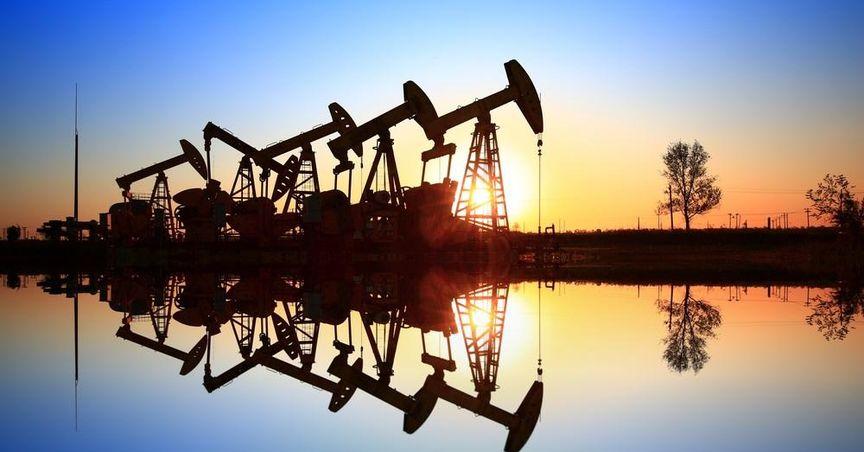
Canada’s oil and gas sector includes a diverse range of companies engaged in upstream exploration and production activities. Obsidian Energy Ltd. (TSX:OBE) functions within this environment as an intermediate scale energy producer focused on hydrocarbon development in Western Canada. Companies of this scale are often associated with broader benchmarks such as the Tsx Smallcap Index, which reflects corporate activity across smaller capitalized firms in sectors including energy, materials, and industrial services. The inclusion of energy producers within such benchmarks highlights the continued relevance of hydrocarbon extraction within Canada’s industrial landscape.
Obsidian Energy Ltd. maintains operations centered on exploration, development, and production of crude oil and natural gas resources. Activities are focused within the Western Canada Sedimentary Basin, a region recognized for its extensive hydrocarbon deposits formed through geological processes over time. Through its operational footprint, the company contributes to regional energy production and supply systems linked with domestic and international markets.
Core Asset Areas in Alberta
Energy production activities are concentrated within the Peace River, Willesden Green, and Viking areas of Alberta. Each of these regions contains distinct hydrocarbon reservoirs that contribute to overall production capacity.
The Peace River area is associated with oil sands and heavy oil formations. Extraction in this region may involve thermal recovery techniques designed to mobilize hydrocarbons within viscous deposits. These processes often require heating methods to enable hydrocarbons to flow toward production wells.
Willesden Green is characterized by light oil and natural gas reservoirs. Extraction in this area typically involves conventional drilling methods combined with horizontal drilling techniques designed to access reservoir formations efficiently. Production from these reservoirs contributes to a balanced hydrocarbon portfolio.
Hydrocarbon Production and Resource Mix
Hydrocarbon production involves a combination of crude oil and natural gas resources extracted from subsurface formations. Crude oil produced from these reservoirs undergoes separation and stabilization before entering transportation systems such as pipelines or storage facilities.
Natural gas extraction follows a similar process, with gas transported from wells through gathering systems to processing facilities. At these facilities, natural gas is separated from associated liquids and impurities before distribution through pipeline networks.
Liquids derived from natural gas processing include hydrocarbons used in petrochemical production and energy applications. These products form part of the broader energy supply chain, connecting upstream production with industrial and consumer demand.
The combination of oil and natural gas production enables energy producers to maintain diversified operational portfolios. This diversification reflects the varied geological characteristics of reservoirs within the Western Canada Sedimentary Basin.
Infrastructure and Operational Systems
Energy production relies on a network of infrastructure components designed to support extraction, processing, and transportation of hydrocarbons. Facilities associated with these operations include drilling rigs, pipelines, storage systems, and processing plants.
Well pads serve as central locations for drilling and production equipment. Horizontal drilling techniques allow multiple wells to be developed from a single pad, enhancing operational efficiency and reducing environmental footprint. Gathering pipelines connect individual wells to centralized processing facilities where hydrocarbons are prepared for transportation.
Processing facilities separate crude oil, natural gas, and associated liquids into distinct streams suitable for transportation and distribution. Pipeline networks then transport these resources to refining centers or distribution hubs where further processing occurs.
Technological advancements in drilling and reservoir modeling continue to influence production practices. These advancements support improved resource recovery and operational efficiency within complex geological formations.
Market Activity and Benchmark Alignment
Energy companies operating within the small cap segment often reflect trends associated with broader benchmarks such as the Tsx Small Cap Index. This benchmark includes companies across sectors including energy, materials, and industrial services, representing a segment of the market characterized by developing and mid scale enterprises.
Participation of energy producers within this segment underscores the role of hydrocarbon extraction in Canada’s economic framework. These companies contribute to regional development through resource extraction, infrastructure expansion, and integration with national energy supply chains.
The Western Canada Sedimentary Basin remains a central hub for petroleum production, supporting a network of companies involved in exploration, drilling, transportation, and processing activities. Through these interconnected operations, energy producers remain integrated within Canada’s broader industrial system.
Exploration and Development in Western Canada
The Western Canada Sedimentary Basin serves as one of the most resource rich hydrocarbon regions in North America. Exploration programs within this basin involve geological mapping, seismic data collection, and drilling activities aimed at identifying and confirming the presence of oil and natural gas reservoirs beneath the surface.
Development of these reservoirs typically follows confirmation of hydrocarbon presence. Infrastructure required for extraction includes drilling rigs, well pads, and gathering systems designed to transport hydrocarbons from subsurface formations to surface facilities. These systems operate in coordination with reservoir management strategies aimed at sustaining production levels across operational areas.
Obsidian Energy Ltd. (TSX:OBE) conducts these activities across several key regions within Alberta. Each region presents unique geological characteristics that influence extraction methods and operational planning. These operations form the foundation of the company’s resource development strategy within Western Canada.
