
 AUS
AUS
 NZ
NZ
 UK
UK
 CA
CA
 USA
USA
 IND
IND

_07_03_2026_03_50_21_133108.jpg)




Highlights
- Cameco operates within the uranium mining and nuclear fuel sector.
- Activities include exploration, extraction, milling, and uranium processing.
- Production supports nuclear energy generation across international markets.
Cameco Corporation conducts uranium exploration, mining, and milling operations supporting nuclear energy generation while maintaining a presence within the S&P TSX 60 Index.
Cameco Corporation (TSX:CCO) operates within the global uranium mining sector and forms part of the resource landscape associated with the S&P TSX 60 Index. The company focuses on uranium exploration, mining, milling, and processing activities that support nuclear energy generation. Operations extend across several regions, including Canada and the United States, where uranium deposits are developed and processed for distribution to nuclear utilities.
Uranium Mining and Production
Uranium extraction forms the foundation of operational activity conducted by Cameco Corporation (TSX:CCO). Mining operations identify and develop uranium deposits that contain concentrated mineralization suitable for nuclear fuel production. Extraction methods vary according to geological conditions and may include underground mining or surface techniques designed to access ore deposits efficiently.
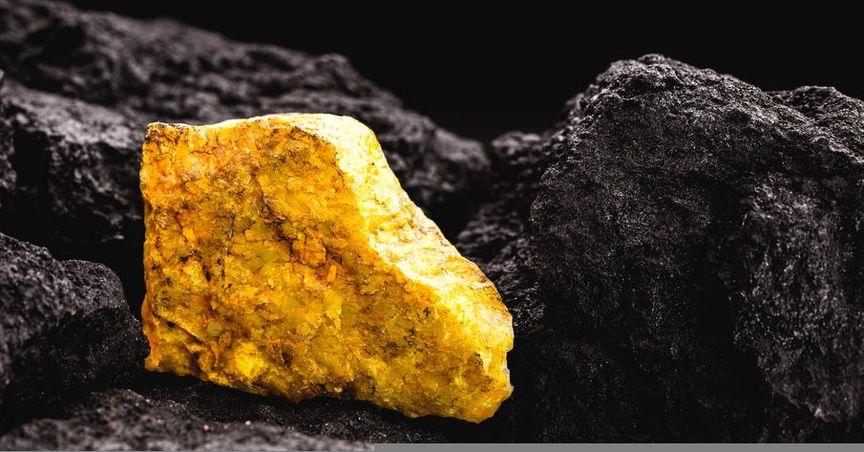
Once extracted, uranium ore undergoes milling processes that separate uranium compounds from surrounding rock material. This stage produces uranium concentrate commonly known as yellowcake. The concentrate is then transported to processing facilities where additional refinement prepares material for nuclear fuel production.
Mining facilities incorporate infrastructure such as shafts, tunnels, ventilation systems, and transportation networks designed to support continuous ore extraction. Processing plants located near mining sites manage ore treatment and concentrate preparation prior to shipment.
The Nuclear Fuel Supply Chain
Uranium concentrate produced through mining operations represents an essential component of the nuclear fuel supply chain. The material undergoes conversion and enrichment processes before being fabricated into nuclear fuel assemblies used in reactors. These assemblies generate electricity through controlled nuclear reactions within power generation facilities.
Cameco Corporation (TSX:CCO) participates in the early stages of this supply chain through uranium extraction and concentrate production. Processing and distribution activities connect mining operations with nuclear utilities responsible for electricity generation. Long term supply arrangements between uranium producers and energy utilities help maintain consistent material flow within the nuclear energy sector.
Global demand for uranium arises from nuclear power facilities operating across multiple continents. These reactors rely on uranium fuel to generate electricity without direct combustion of fossil fuels. As a result, uranium production plays a role in supporting low emission electricity generation within several national energy systems.
Operational Sites and Resource Development
Uranium deposits associated with Cameco operations are located in regions recognized for significant mineral resources. Mining activities require detailed geological studies to determine ore distribution and grade characteristics. Exploration teams conduct drilling programs and geophysical surveys to locate and evaluate new deposits.
Development of mining projects involves multiple stages including resource evaluation, environmental assessment, infrastructure construction, and operational commissioning. Each stage requires compliance with regulatory frameworks governing environmental protection, radiation safety, and land management.
Processing facilities located near mining sites convert extracted ore into uranium concentrate. These plants use chemical and mechanical processes to isolate uranium compounds. Waste materials generated during milling are managed through containment systems designed to meet environmental standards.
Industry Context within the s and p tsx sixty
Participation in the s and p tsx 60 reflects the scale and relevance of companies within major sectors of the Canadian economy. Resource companies involved in mining, energy production, and materials processing represent a significant portion of this benchmark. Cameco contributes representation from the uranium mining segment within this market framework.
Companies within this index operate across industries including energy, financial services, telecommunications, and natural resources. The presence of uranium producers highlights the role of nuclear energy materials within the broader industrial landscape.
Market activity surrounding uranium mining companies often reflects developments in nuclear energy generation, resource exploration, and technological advancements within the nuclear sector. Mining enterprises respond to these developments through operational planning, exploration initiatives, and resource development strategies.
Environmental and Safety Management
Uranium mining requires strict environmental oversight and radiation safety measures. Facilities associated with uranium extraction implement monitoring systems that track environmental conditions such as water quality, soil composition, and atmospheric emissions. Regulatory compliance ensures that mining activities adhere to environmental protection standards.
Tailings management systems store byproducts generated during milling processes. These systems prevent contamination of surrounding land and water resources. Environmental monitoring programs regularly evaluate containment structures and surrounding ecosystems.
Workplace safety protocols guide operational practices within uranium mining facilities. Protective equipment, radiation monitoring, and controlled access zones form part of routine safety procedures. Training programs ensure that employees working in uranium extraction and processing environments follow established safety standards.
Community Engagement and Regional Impact
Mining projects often operate in remote regions where collaboration with local communities forms an essential aspect of operational planning. Engagement initiatives address environmental considerations, employment opportunities, and regional development related to mining infrastructure.
Community consultation processes occur during project planning stages and continue throughout operational phases. These discussions address land usage, environmental management, and long term site rehabilitation activities.
Reclamation plans restore landscapes affected by mining operations following closure of extraction sites. Land restoration programs include soil stabilization, vegetation reestablishment, and monitoring of environmental recovery processes.
Technological Development in Uranium Extraction
Advances in mining technology continue to influence uranium extraction and processing practices. Modern drilling equipment enables more precise exploration activities, allowing geological teams to identify deposits with greater accuracy. Remote sensing and geophysical mapping techniques provide detailed information about subsurface mineral structures.
Processing facilities employ chemical treatment methods designed to maximize uranium recovery while minimizing waste generation. Automation systems monitor operational conditions across milling and processing stages, ensuring consistent output and environmental compliance.
Digital monitoring platforms track equipment performance and operational data across mining sites. These technologies support efficient resource management and assist operational teams in maintaining safe and stable mining environments.
Global Significance of Uranium Production
Uranium remains a vital material within the nuclear energy sector. Nuclear reactors rely on uranium fuel to generate electricity through controlled fission reactions. This process produces significant energy output without direct carbon emissions associated with combustion based energy systems.
Mining companies engaged in uranium production contribute to global energy infrastructure by supplying raw material used in nuclear fuel manufacturing. The relationship between uranium producers and nuclear utilities forms a key component of the international energy supply chain.
Mining, milling, and processing operations transform geological uranium deposits into concentrated material ready for fuel conversion. These stages represent the early phases of nuclear fuel production, linking mineral resources with electricity generation technologies used across the world.
