
 AUS
AUS
 NZ
NZ
 UK
UK
 CA
CA
 USA
USA
 IND
IND





Highlights
- Cascades receives a consensus rating categorized as Moderate Buy from covering brokerages
- Operations span packaging and tissue production across North America and Europe
- Company activity unfolds within the TSX smallcap Index landscape
An objective overview of Cascades Inc. and its TSX smallcap Index association, highlighting packaging segments, brokerage ratings, and recent financial performance trends.
The packaging and tissue manufacturing sector represents a significant segment of Canada’s industrial base, with several mid-sized issuers included in the TSX smallcap Index. Cascades Inc. (TSX:CAS) operates within this industry, producing and converting packaging and tissue products primarily derived from recycled fibres. Recent brokerage coverage has resulted in a consensus recommendation described as Moderate Buy, reflecting varied perspectives across research institutions.
Brokerage Coverage and Market Ratings
Cascades Inc. (TSX:CAS) is currently followed by multiple brokerage firms that have issued rating designations and target valuations based on updated financial models and sector comparisons. The consensus view among these firms is categorized as Moderate Buy, with an even distribution between buy and hold recommendations.
Several financial institutions have revised their target valuations upward in recent months, reflecting changes in earnings expectations and operational developments. These revisions align with improved performance in certain business segments and evolving conditions within the packaging and tissue markets.
Brokerage commentary typically incorporates assessments of revenue trends, cost structures, and margin dynamics across Cascades’ operating divisions. While rating terminology varies by institution, such coverage contributes to broader market discourse surrounding the company’s valuation and strategic positioning.
Core Business Segments and Operations
Cascades Inc. is organized into distinct business segments focused on containerboard, boxboard operations in Europe, specialty packaging products, and tissue manufacturing. The company emphasizes the use of recycled fibre as a primary input, integrating sustainability considerations into its production processes.
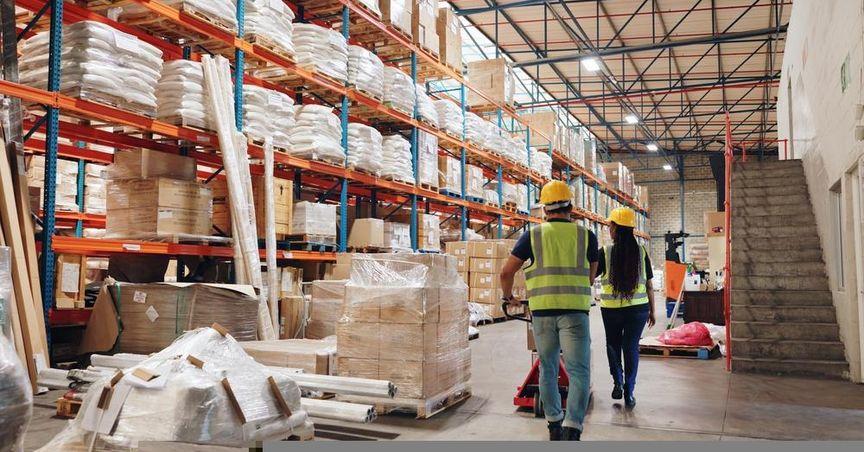
The containerboard segment supplies raw materials for corrugated packaging, serving industries such as food processing, consumer goods, and e-commerce logistics. Boxboard operations in Europe extend the company’s geographic footprint, supporting packaging demand in international markets.
Specialty packaging products include protective and industrial solutions designed for various commercial applications. The tissue division produces paper-based products for residential and commercial use, including facilities management and hospitality sectors.
Manufacturing facilities operate across Canada, the United States, Italy, and other international locations. This diversified presence enables Cascades Inc. to serve a broad customer base while navigating regional demand variations.
Financial Performance Overview
Recent quarterly results from Cascades Inc. (TSX:CAS) reflected revenue generation consistent with the scale of its operations, alongside earnings per share that were closely monitored by market participants. Financial disclosures indicated negative net margins and return on equity during the reporting period, underscoring ongoing cost pressures and operational challenges.
The company’s valuation metrics, including its earnings multiple, have been cited in public coverage as relatively elevated compared with certain industry peers. Liquidity measures such as current and quick ratios provide insight into short-term financial flexibility, while debt-to-equity ratios illustrate leverage levels within the capital structure.
Share trading activity has shown fluctuations over recent sessions, with movement influenced by earnings releases and broader market sentiment. As a constituent associated with the smallcap Index segment, Cascades Inc. participates in a market environment characterized by mid-cap industrial issuers.
Industry Context and Market Dynamics
The packaging and tissue sector is influenced by trends in consumer consumption, retail distribution, and industrial production. Demand for containerboard products often correlates with shipping volumes and manufacturing output, while tissue demand aligns with household consumption and commercial facility usage.
Raw material costs, particularly for recycled fibre and energy inputs, can affect operating margins. Supply chain conditions and transportation expenses also play a role in overall cost structures. Companies operating in this sector must balance input expenses with contract pricing arrangements negotiated with customers.
Cascades Inc. operates within a competitive landscape that includes both regional and multinational packaging producers. Scale, production efficiency, and geographic reach contribute to comparative positioning among industry participants.
Within the broader Canadian equity environment, representation in benchmarks such as the tsx small cap index reflects the company’s market capitalization and sector classification. Participation in such indices may influence trading flows from funds tracking small-cap segments.
Sustainability and Recycling Focus
A defining characteristic of Cascades Inc. (TSX:CAS) is its longstanding emphasis on recycled fibre as a core raw material. Recycling initiatives reduce reliance on virgin pulp and align with environmental objectives related to resource conservation. Production processes incorporate recovered paper inputs sourced from municipal and commercial collection systems.
Environmental considerations extend beyond material sourcing to include water management, energy efficiency, and emissions monitoring. Regulatory compliance across operating jurisdictions shapes manufacturing practices and reporting requirements.
The integration of sustainability principles into product development supports demand from customers seeking environmentally responsible packaging solutions. As environmental standards evolve, recycled-content packaging continues to attract attention within consumer goods supply chains.
