
 AUS
AUS
 NZ
NZ
 UK
UK
 CA
CA
 USA
USA
 IND
IND


.jpg)



Highlights
- Valeura Energy operates within the upstream oil and gas exploration and production sector.
- Operational focus centers on hydrocarbon development projects in Southeast Asia.
- Market activity connected with emerging energy producers often relates to the Tsx Small cap Index.
Canada’s energy sector includes exploration and production companies engaged in discovering and developing hydrocarbon resources across global regions. Valeura Energy Inc. (TSX:VLE) operates within this environment as an upstream oil and gas enterprise focused on resource development and operational expansion across Southeast Asia. Activity involving emerging energy producers frequently appears alongside benchmarks such as the Tsx Small cap Index, which reflects corporate activity among smaller and developing companies listed on Canadian exchanges. The presence of energy producers within this benchmark highlights the importance of exploration activity and resource development within the broader Canadian market structure.
Valeura Energy Inc. conducts exploration, development, and production operations designed to extract crude oil and natural gas from geological formations located in offshore and onshore regions of Southeast Asia. These activities include geological evaluation, drilling programs, reservoir management, and infrastructure development necessary to bring hydrocarbon resources from subsurface reservoirs to processing facilities and distribution networks.
Expansion of Upstream Energy Operations
Upstream energy companies focus on activities connected with locating and extracting petroleum resources from underground reservoirs. Exploration programs represent the initial phase of this process and typically involve seismic imaging, geological mapping, and exploratory drilling designed to confirm the presence of hydrocarbons within specific formations.
Once a reservoir has been confirmed, development programs begin to establish the infrastructure required for production. Development activities often include drilling production wells, installing pipeline systems, and constructing facilities designed to process hydrocarbons before transportation to refining centers or export terminals.
Valeura Energy Inc. participates in this process through projects that focus on offshore and regional petroleum basins in Southeast Asia. These basins contain reservoirs formed through geological processes that created deposits of crude oil and natural gas within sedimentary rock formations beneath ocean floors and coastal regions.
Energy companies active in these regions operate within environments that require specialized technical knowledge and engineering capabilities. Offshore drilling platforms, subsea pipelines, and reservoir monitoring systems form central elements of the infrastructure supporting petroleum extraction within marine environments.
Resource Development in Southeast Asian
Southeast Asia contains a number of hydrocarbon basins associated with oil and natural gas production. These basins were formed through long geological processes involving sediment accumulation and organic material transformation into hydrocarbons under heat and pressure. Reservoirs located within these formations contain petroleum resources that can be extracted through modern drilling techniques.
Development of these reservoirs often requires horizontal drilling technologies and subsea production systems designed to access hydrocarbons located beneath seabed formations. Offshore platforms act as operational centers where drilling operations occur and hydrocarbons are initially processed before transportation through pipeline systems.
Valeura Energy Inc. (TSX:VLE) operates within this regional energy landscape through exploration and development activities designed to unlock hydrocarbon resources across several offshore and coastal areas. Production from these reservoirs contributes to regional energy supply networks that serve domestic consumption as well as international markets.
The development of hydrocarbon resources in Southeast Asia involves coordination between engineering teams, geological specialists, and operational infrastructure providers. These systems ensure efficient extraction and transportation of petroleum products from offshore fields to processing and distribution facilities.
Oil and Gas Production Infrastructure
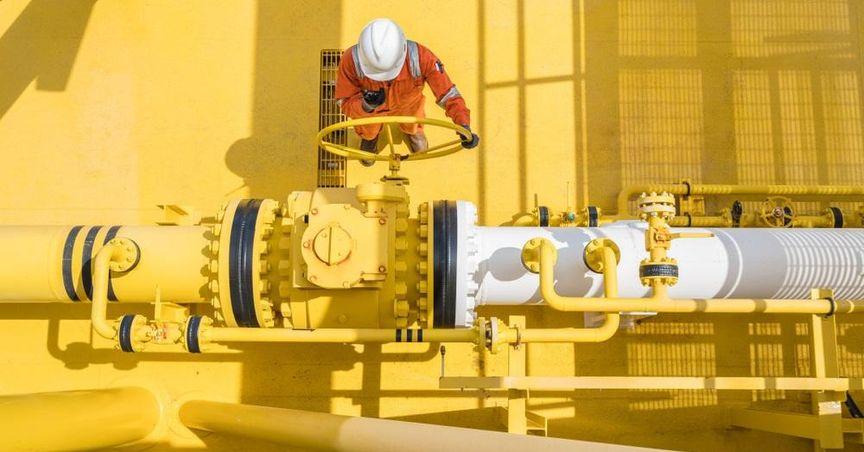
Hydrocarbon production requires extensive infrastructure designed to support drilling, extraction, and transportation processes. Offshore platforms represent one of the most visible elements of this infrastructure, functioning as operational bases for drilling equipment and production systems.
Subsea pipelines transport extracted hydrocarbons from offshore wells toward central processing facilities where separation of oil, natural gas, and associated liquids occurs. Processing systems remove water, impurities, and other elements before hydrocarbons are prepared for transportation.
Storage terminals and export facilities form additional components of the energy infrastructure network. These facilities allow petroleum products to be stored and transported through tanker vessels or pipeline networks connecting offshore production areas with refining centers and energy distribution systems.
Technological developments in reservoir modeling and drilling equipment have enhanced the ability of energy companies to access resources located in complex geological formations. Digital imaging tools and advanced drilling systems provide detailed information about subsurface reservoirs, enabling improved resource recovery and efficient field development strategies.
Market Representation of Emerging Energy Producers
Energy companies operating within emerging or developing segments of the market often appear within benchmarks tracking smaller publicly listed corporations. The Tsx Smallcap Index includes companies across industries such as energy, mining, technology, and industrial services that represent developing segments of the Canadian corporate landscape.
Participation of oil and gas exploration companies within this benchmark highlights the role of resource development in supporting economic activity across global energy markets. Exploration enterprises contribute to the discovery and production of hydrocarbon resources used in transportation fuels, industrial energy supply, and petrochemical manufacturing.
Oil and gas production activities remain connected with broader supply networks that include refining facilities, shipping infrastructure, and distribution systems responsible for delivering petroleum products to end users across global markets.
Companies engaged in upstream petroleum exploration operate within a dynamic environment shaped by geological discovery, infrastructure development, and evolving energy demand patterns. These activities contribute to the broader landscape of international energy production and resource management.
