
 AUS
AUS
 NZ
NZ
 UK
UK
 CA
CA
 USA
USA
 IND
IND





Highlights
- Wildfire conditions remain an important operational factor for IOC.
- Quarterly production reflects continued activity despite regional disruptions.
- Royalty model remains closely linked to iron ore shipment volumes.
Labrador Iron Ore Royalty's latest update highlights continued IOC production while drawing attention to wildfire-related operational considerations that could influence mining activity during the current year.
The Canadian mining sector continues to play a significant role in supplying iron ore for global steel production. Companies operating within the TSX Smallcap Index are navigating a range of operational challenges, including weather-related events that can influence mining activity and transportation networks. Among them, Labrador Iron Ore Royalty Corporation (TSX:LIF) has recently drawn attention following its latest quarterly update, which highlighted ongoing production activity while acknowledging the possible effects of regional wildfires on annual operations.
Labrador Iron Ore Royalty's business differs from many traditional mining companies because its performance is closely tied to the production and sales generated by the Iron Ore Company of Canada (IOC). As a royalty-based business, operating developments at IOC remain central to the corporation's financial performance and overall business direction.
Royalty Model Shapes Business Performance
Unlike companies that directly operate mines, Labrador Iron Ore Royalty earns revenue through royalty interests and ownership participation connected with IOC's iron ore operations. This structure allows the corporation to benefit from production and shipment volumes while avoiding many of the direct operating responsibilities associated with mine ownership.
Because of this business model, changes in production schedules, transportation capacity, or external operating conditions can influence royalty receipts. Consequently, updates from IOC often become key milestones for market participants monitoring Labrador Iron Ore Royalty (TSX:LIF).
Quarterly Production Reflects Ongoing Operations
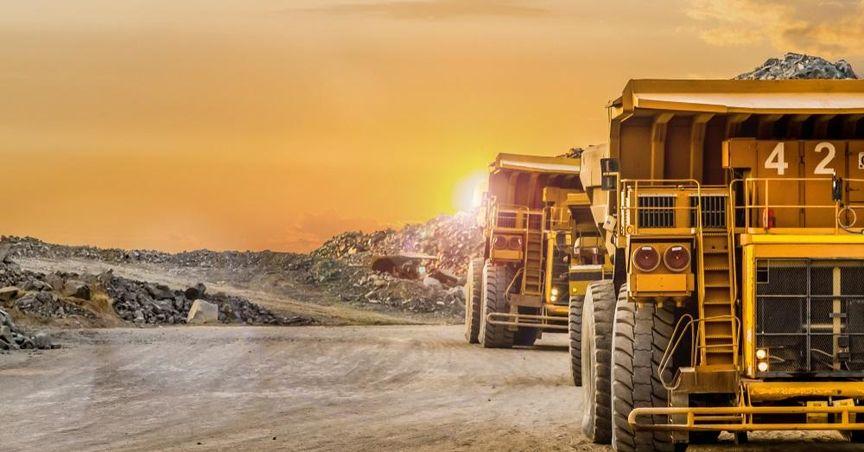
The latest quarterly operational update indicated that IOC continued producing and shipping iron ore during the second quarter. Saleable production and iron ore sales reflected continued activity across the mining and logistics network, demonstrating that operations remained active despite challenging regional conditions.
Mining operations across northern Canada often face unique environmental and seasonal factors, making operational flexibility an important component of production planning. Maintaining output while responding to changing circumstances remains a priority for companies operating in remote resource regions.
Wildfire Activity Creates Operational Considerations
One of the most significant themes emerging from the latest update involves the possibility of disruption associated with forest fires affecting the surrounding region.
Wildfires have become an increasingly important consideration across Canada's natural resource industries. Mining companies may experience operational impacts through transportation interruptions, workforce safety measures, infrastructure protection, or temporary adjustments to production schedules.
Although annual production guidance has been maintained, management acknowledged that wildfire conditions remain an important variable capable of influencing operational performance during the remainder of the year.
This reflects the broader reality that environmental events have become an increasingly important consideration across Canada's mining sector.
Importance Of Production Guidance
Annual production guidance provides an indication of expected operating activity under current assumptions.
For royalty businesses such as Labrador Iron Ore Royalty, production guidance serves as an important reference because royalty revenue generally depends on the volume of material produced and sold by the underlying operating company.
While production expectations remain in place, the inclusion of wildfire-related uncertainty highlights the need for continued monitoring as environmental conditions evolve throughout the operating season.
IOC Remains Central To The Business
The long-term relationship with the Iron Ore Company of Canada continues forming the foundation of Labrador Iron Ore Royalty's business model.
IOC has operated for decades as one of Canada's established iron ore producers, supplying high-quality iron ore products for international steel manufacturing. The company's mining, processing, rail transportation, and port infrastructure together support an integrated production system.
Because Labrador Iron Ore Royalty's performance is directly connected to IOC's operating results, developments affecting production volumes, shipments, and logistics remain closely followed.
Iron Ore Industry Continues Supporting Global Manufacturing
Iron ore remains one of the world's most important industrial commodities, serving as a primary raw material used in steel production.
Steel continues supporting construction, transportation, manufacturing, infrastructure development, machinery production, and energy projects across global markets. As a result, consistent iron ore production remains important throughout international supply chains.
Companies operating within Canada's iron ore industry continue contributing to these supply networks through established mining operations and export infrastructure.
Readers interested in Canada's resource sector can also explore developments within TSX Metal & Mining Stocks, where mining companies continue operating across iron ore, precious metals, base metals, and critical minerals.
Environmental Factors Influence Mining Operations
Mining companies increasingly incorporate environmental planning into everyday operations.
Forest fires, severe weather, changing seasonal conditions, and transportation challenges all have the ability to influence production schedules across remote mining regions.
These factors require ongoing coordination between operational teams, transportation providers, emergency response agencies, and regional authorities to help maintain safe working conditions while protecting critical infrastructure.
The latest update illustrates how environmental considerations have become an important element of operational planning across Canada's mining industry.
Royalty Businesses Offer A Distinct Structure
Royalty companies occupy a unique position within the mining sector.
Rather than directly managing extraction activities, they participate financially through royalty agreements or ownership interests linked to producing assets.
This approach allows them to benefit from operating performance while maintaining relatively streamlined corporate structures. However, production interruptions affecting the underlying mining operation can also influence royalty receipts.
Consequently, operational updates from partner companies remain particularly important for understanding business performance.
Market Attention Remains On Operational Progress
As the operating season continues, attention is likely to remain focused on production activity, transportation efficiency, and environmental conditions affecting mining regions.
Continued monitoring of wildfire developments, operational continuity, and shipment activity will provide additional context regarding annual production performance.
While quarterly production demonstrates that operations remain active, evolving environmental conditions continue representing an important factor influencing the broader operating landscape.
