
 AUS
AUS
 NZ
NZ
 UK
UK
 CA
CA
 USA
USA
 IND
IND


.jpg)



Highlights
- Aerospace manufacturer supplying aerostructures and engine components for aviation platforms
- Operations spanning commercial aviation, defence applications, and maintenance services
- Market attention following elevated trading activity and renewed visibility in the aerospace sector
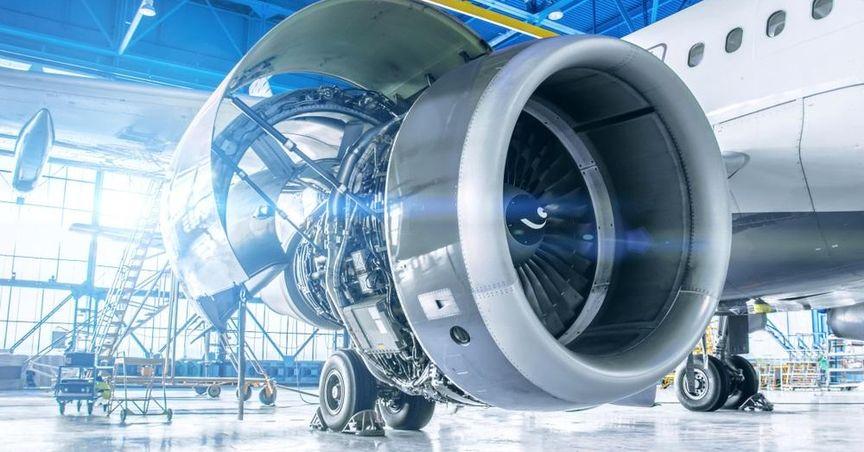
Overview of Magellan Aerospace operations, aerostructure manufacturing, and aviation supply chain presence linked to the TSX smallcap Index and global aerospace engineering sector.
The aerospace manufacturing industry forms a vital segment of advanced engineering and industrial production, encompassing companies involved in aircraft structures, propulsion systems, and maintenance services. Among Canadian firms participating in this sector, Magellan Aerospace operates as a supplier of specialized aerospace components used in aviation platforms and related systems. Market attention has recently increased around the company following notable trading activity and broader interest in firms associated with the TSX smallcap Index. Participation in segments such as the TSX smallcap Index highlights companies involved in specialized industries that support global aerospace supply chains.
Aerospace Manufacturing and Industrial Scope
Magellan Aerospace (TSX:MAL) operates within the aerospace manufacturing sector, producing a range of components and systems used in aircraft and propulsion assemblies. Activities focus on engineering, manufacturing, and servicing aerostructures and aeroengine components. Aerostructures include structural assemblies that form major parts of aircraft frames, wings, and fuselage elements.
The aerospace manufacturing sector relies on advanced materials, precision machining, and complex engineering processes. Components produced for aircraft must meet strict technical specifications due to the demanding operational conditions associated with aviation. Structural integrity, durability, and reliability form central requirements in aerospace component production.
Magellan Aerospace participates in this industry through facilities dedicated to component manufacturing, engineering design, and repair services. Production activities support both original equipment manufacturing and aftermarket maintenance requirements within the aviation ecosystem.
Product Segments and Engineering Capabilities
Operations within Magellan Aerospace include two major product categories that support aircraft construction and propulsion systems. Aerostructures represent one of the primary areas of activity, involving manufacturing of structural assemblies used in aircraft design. These structures include fuselage components, wing structures, and other load-bearing elements essential to aircraft performance.
A second operational segment focuses on aeroengine components. Aerospace engines rely on specialized parts manufactured from high-performance alloys capable of withstanding extreme temperatures and mechanical stress. Manufacturing such components requires advanced machining technologies and quality assurance procedures to ensure reliability during operation.
Engineering capabilities extend beyond initial manufacturing. Aerospace companies frequently participate in design refinement, component testing, and technical collaboration with aircraft manufacturers. These processes help ensure that parts integrate correctly with broader aircraft systems.
Maintenance and repair activities also form an important part of aerospace operations. Engine components and structural assemblies often require refurbishment or replacement after extended service periods. Technical facilities capable of conducting repairs and component overhauls contribute to the longevity and operational readiness of aviation equipment.
Market Activity and Sector Visibility
Recent trading sessions recorded heightened attention toward Magellan Aerospace (TSX:MAL), accompanied by increased market visibility. Developments of this nature frequently draw attention to aerospace manufacturing firms listed on Canadian exchanges.
Industrial companies connected with aerospace manufacturing occasionally experience periods of heightened attention during times of sector activity or operational announcements. Developments within global aviation markets, including aircraft production schedules and defence procurement programs, can influence interest in aerospace component manufacturers.
Companies associated with the tsx small cap index often operate in specialized industrial niches, ranging from engineering and advanced manufacturing to technology services. Aerospace manufacturing represents one of these specialized fields, combining industrial expertise with advanced engineering capabilities.
Market participation within these segments reflects the diversity of Canadian publicly listed firms operating across international supply chains.
Commercial Aviation and Defence Applications
Aerospace components manufactured by Magellan Aerospace are used in both commercial aviation and defence-related aircraft platforms. Commercial aviation encompasses passenger aircraft and cargo aircraft operated by airlines and logistics carriers. Aircraft manufacturers rely on extensive networks of component suppliers responsible for producing structural assemblies, propulsion components, and supporting systems.
Defence aviation represents another important application area. Military aircraft often incorporate specialized structural components and propulsion elements designed for demanding operational conditions. Aerospace manufacturing companies participate in defence supply chains through contracts and collaborative programs supporting military aviation platforms.
In addition to aircraft systems, certain aerospace components may also support energy-related technologies such as power generation equipment. Although aerospace manufacturing remains the core activity, engineering expertise developed within the sector occasionally supports industrial projects outside aviation.
Aerospace Maintenance and Aftermarket Services
Beyond component manufacturing, aerospace operations frequently involve maintenance and repair services designed to support aircraft already in service. Aftermarket services include component repair, overhaul procedures, and replacement part manufacturing.
Magellan Aerospace (TSX:MAL) provides maintenance support for various components used in aviation platforms. Technical teams perform repairs on structural parts and engine components requiring refurbishment after operational use. Maintenance procedures help maintain operational performance and extend service life of aircraft systems.
Aircraft maintenance requires adherence to aviation regulatory standards governing safety and operational reliability. Maintenance facilities must follow approved engineering procedures when performing repairs or component replacements. Documentation and inspection protocols ensure that repaired parts meet aviation industry requirements.
Maintenance services contribute to the broader lifecycle management of aircraft, which includes manufacturing, operational deployment, and eventual refurbishment or retirement.
Industrial Manufacturing Within Canadian Markets
Industrial manufacturing firms represent a notable segment of Canadian capital markets. Companies engaged in advanced manufacturing, engineering services, and aerospace production contribute to the country’s industrial base and international export activity.
Magellan Aerospace (TSX:MAL) operates within this industrial manufacturing landscape, combining engineering capabilities with specialized aerospace production. Canadian aerospace manufacturing includes companies producing aircraft systems, avionics, propulsion components, and structural assemblies.
Listings connected with segments such as the smallcap Index highlight the presence of engineering-focused companies that operate within technologically intensive industries. Aerospace manufacturing represents one of the most technically demanding industrial fields due to strict safety requirements and engineering complexity.
Technological expertise within the aerospace sector continues to evolve through improvements in materials science, manufacturing automation, and digital modeling. These developments support increasingly sophisticated aircraft systems used in both commercial and defence aviation.
