
 AUS
AUS
 NZ
NZ
 UK
UK
 CA
CA
 USA
USA
 IND
IND




Highlights
Titanium production developments highlight momentum in materials sector.
Operational expansion reflects industrial demand for advanced metals.
Materials companies influence broader movements across key ASX indices.
Titanium production developments highlight the role of advanced materials in industrial progress, with companies like IperionX Ltd shaping activity across ASX indices and global supply chains.
The materials sector remains a core component of Australia’s equity landscape, with companies involved in metals, mining, and advanced processing contributing to activity across indices such as the ASX 300 and the All Ordinaries. This sector supports a wide range of industries, including manufacturing, aerospace, and infrastructure development, all of which rely on consistent supply chains and technological advancements. Titanium has emerged as a focal point within this space due to its durability, lightweight characteristics, and broad industrial usage.
Recent developments have drawn attention to IperionX Ltd (ASX:IPX), which operates in the advanced materials segment with a focus on titanium production. The company’s activities align with increasing global interest in high-performance materials, particularly those used in critical industries such as defence and engineering. Its role within broader indices reflects the growing importance of specialty materials in shaping industrial progress.
Expanding Titanium Production and Industry Demand
Titanium continues to gain prominence as industries seek materials that enhance performance while maintaining efficiency. Aerospace manufacturers utilise titanium for aircraft components due to its strength-to-weight ratio, while the automotive sector integrates it into high-performance vehicles. In the medical field, titanium is widely used for implants and surgical instruments because of its compatibility with biological systems.
IperionX Ltd has focused on expanding production capabilities to meet evolving industrial requirements. This includes scaling output processes and integrating modern techniques that improve efficiency. The company’s initiatives reflect broader trends within the materials sector, where advanced production methods are becoming increasingly important in meeting demand across global markets.
The emphasis on titanium also highlights the role of innovation within the sector. Traditional production methods are being complemented by newer approaches that aim to reduce environmental impact and improve resource utilisation. These advancements align with global sustainability efforts, particularly in industries that require high volumes of raw materials.
The presence of materials companies within the ASX dividend stocks segment further illustrates their integration into diverse market frameworks. While titanium-focused companies often operate in specialised areas, their contribution to the broader market underscores the sector’s significance.
Operational Expansion and Production Processes
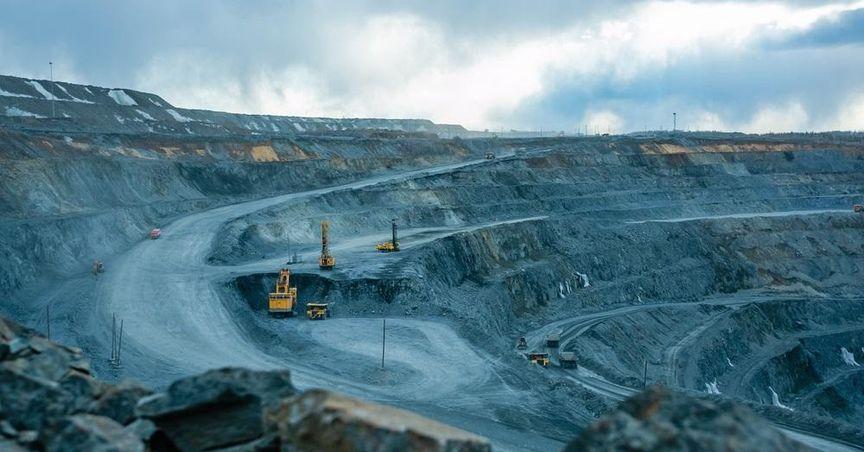
The process of titanium production involves several stages, from raw material extraction to refining and manufacturing. Each stage requires careful coordination to ensure quality and efficiency. Companies operating in this space must manage supply chains that connect mining operations with end-user industries, creating a complex network of logistics and processing activities.
IperionX Ltd has focused on enhancing its operational framework by adopting advanced manufacturing techniques. These include methods that enable continuous production and improved consistency in material output. Such developments contribute to operational stability and allow for greater flexibility in responding to industrial requirements.
Technological integration plays a significant role in modern materials production. Automation systems, data-driven monitoring, and precision engineering contribute to improved outcomes across the production cycle. These innovations not only enhance efficiency but also support the creation of complex components required in specialised industries.
Workforce expertise and infrastructure development are also critical components of operational expansion. Skilled professionals, supported by modern facilities, ensure that production processes meet industry standards. Safety protocols and environmental management systems further contribute to sustainable operations within the materials sector.
Market Positioning Within Materials and Industrial Landscape
The materials sector is closely linked to global industrial activity, with demand driven by manufacturing, construction, and technological advancements. Companies involved in advanced materials such as titanium operate within a specialised segment that requires both technical expertise and innovative capabilities.
IperionX Ltd’s positioning within the ASX 300 highlights its role within the broader market. Inclusion in major indices reflects market capitalisation and trading activity, providing visibility within the investment community. This positioning also connects the company’s performance to broader market trends, including shifts in industrial demand and technological development.
The valuation of materials companies is influenced by factors such as production capacity, access to resources, and technological capabilities. These elements interact to shape the company’s standing within the market. The emphasis on advanced materials further distinguishes this segment from traditional resource extraction, highlighting the importance of innovation.
Global supply chains play a vital role in the materials sector, connecting producers with end-users across multiple regions. Titanium production, in particular, involves coordination between mining operations, processing facilities, and manufacturing industries. This interconnected system underscores the importance of efficiency and reliability in maintaining supply continuity.
Broader Industrial and Technological Implications
Advancements in titanium production have far-reaching implications for industrial and technological development. As industries continue to evolve, the demand for materials that enhance efficiency and durability remains strong. Titanium’s unique properties make it a key component in sectors ranging from aerospace to renewable energy systems.
The integration of materials companies within indices such as the All Ordinaries reflects their contribution to economic activity and innovation. These companies play a role in supporting infrastructure development, technological progress, and industrial expansion, reinforcing the importance of the materials sector within the Australian economy.
Environmental considerations are increasingly shaping the future of titanium production. Companies are exploring methods to reduce emissions, improve energy efficiency, and recycle materials. These initiatives align with global sustainability objectives and highlight the industry’s commitment to responsible resource management.
The relationship between materials production and technological advancement continues to drive innovation across industries. From advanced manufacturing techniques to new applications in engineering and healthcare, titanium remains at the forefront of industrial development. This ongoing evolution underscores the significance of the materials sector in shaping future economic and technological landscapes.
