
 AUS
AUS
 NZ
NZ
 UK
UK
 CA
CA
 USA
USA
 IND
IND






Highlights
- Equipment mobilisation underway for a major gold project in New Zealand
- Long-term operational support agreement secured with a global machinery provider
- Project positioned for accelerated development following approval pathway
Santana Minerals progresses Bendigo-Ophir project with equipment mobilisation, aligning developments with all ordinaries movements and broader trends in the gold exploration and mining sector.
The gold exploration and development sector continues to evolve alongside broader movements tracked by the all ordinaries, reflecting activity across resource-focused companies listed on the Australian market. Santana Minerals operates within this environment, concentrating on gold assets in New Zealand, with a primary focus on advancing a key project located in the South Island.
Equipment mobilisation for project advancement
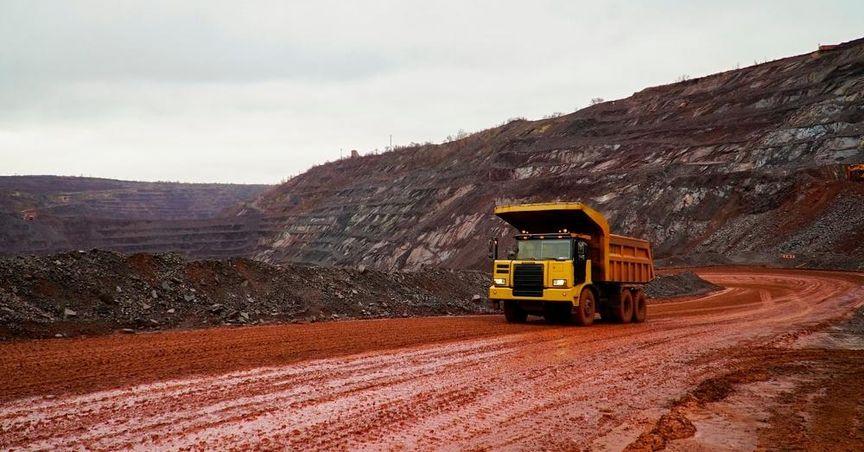
Santana Minerals (ASX:SMI) has initiated preparations to accelerate development at the Bendigo-Ophir Gold Project, situated north of Cromwell. The mobilisation of a comprehensive mobile mining fleet forms a central component of this phase. Equipment secured includes large-scale excavators, haul trucks, and auxiliary machinery such as loaders and graders, all intended to support site preparation and operational readiness.
The integration of this fleet aligns with a strategy centred on owner-operated mining activities. This approach enables direct management of extraction processes rather than reliance on third-party contractors. Such a structure typically alters operational dynamics by consolidating control over scheduling, equipment usage, and workforce coordination.
In addition to machinery deployment, the arrangement includes access to on-site parts availability, which contributes to maintenance efficiency and continuity of operations. The presence of technical support further enhances equipment reliability, ensuring that operational workflows remain consistent during the initial development stages.
Strategic collaboration with equipment provider
A significant aspect of the project framework involves collaboration with a global equipment manufacturer. The agreement encompasses operational, technical, and financial support extending across multiple years. This relationship provides a structured foundation for the execution of mining activities, particularly during early-stage development when infrastructure and logistics require close coordination.
Support from the equipment provider includes servicing capabilities and access to specialised expertise, which may streamline operational processes. The inclusion of discounted parts and service arrangements contributes to cost management within the broader project scope, although specific financial outcomes remain dependent on execution and site conditions.
This collaboration reflects a broader industry trend in which mining companies engage directly with original equipment manufacturers to enhance operational integration. Such arrangements can facilitate smoother transitions from development to production phases, particularly in projects requiring significant upfront coordination.
Development timeline and approval pathway
The Bendigo-Ophir Gold Project is progressing through a defined approval pathway, with expectations of a decision that would enable construction activities to commence shortly thereafter. Preparatory steps, including equipment mobilisation and logistical planning, indicate readiness to transition into the construction phase upon receipt of necessary approvals.
Santana Minerals (ASX:SMI) has outlined a development model that incorporates a residential workforce structure. This model differs from fly-in fly-out arrangements commonly observed in remote mining operations. By establishing a locally based workforce, operational continuity may be supported through stable staffing and reduced logistical complexity.
The project’s location in New Zealand’s South Island places it within a region known for historical gold mining activity. Infrastructure accessibility and regional familiarity with mining practices contribute to the project’s development context. Environmental and regulatory considerations remain integral to the approval process, reflecting standard requirements within the jurisdiction.
Position within broader market context
Movements within the resource sector often correlate with indicators such as the all ordinaries chart, which captures performance trends across a wide range of listed companies. Within this landscape, gold-focused entities maintain a distinct position due to the commodity’s role in global markets and its historical association with economic cycles.
Santana Minerals (ASX:SMI) represents a segment of this sector focused on exploration and project development rather than established production. Activities such as equipment mobilisation and infrastructure planning signal a transition toward operational phases, aligning with broader patterns observed among emerging resource companies.
The emphasis on direct operational control and long-term equipment partnerships highlights an approach aimed at integrating multiple aspects of the mining lifecycle. This includes planning, extraction, and maintenance, all of which contribute to the overall execution of the project.
Operational framework and site readiness
Preparation for construction involves coordination across multiple domains, including logistics, workforce planning, and equipment deployment. The availability of a dedicated fleet enables immediate engagement with site development tasks, reducing delays associated with equipment sourcing.
On-site capabilities, such as parts storage and maintenance facilities, play a role in sustaining operational continuity. These elements form part of a broader framework designed to support consistent activity levels throughout the development phase.
The combination of local workforce integration and equipment readiness reflects a structured approach to project execution. Each component contributes to establishing a stable operational environment, which is essential during early-stage mining activities.
As developments progress, alignment with broader indicators such as the all ordinary index may continue to provide contextual insight into sector-wide movements, particularly within the Australian market where resource companies maintain a significant presence.
