
 AUS
AUS
 NZ
NZ
 UK
UK
 CA
CA
 USA
USA
 IND
IND




Highlights
- Record half-year iron ore shipments achieved
- Higher net earnings and basic EPS reported
- Fully franked interim dividend increased
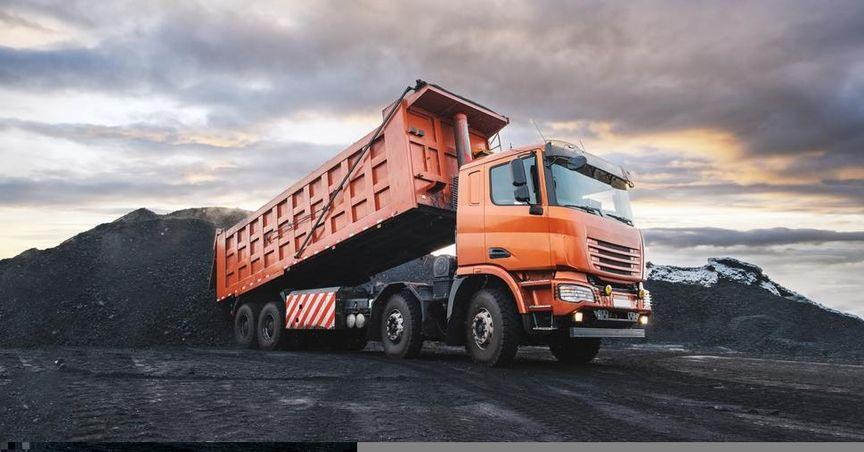
The mining sector within the ASX 20 comprises companies engaged in the extraction, processing, and global distribution of commodities. Fortescue Metals Group operates as a large-scale iron ore producer with integrated mining, logistics, and export capabilities. Recent half-year results highlighted record shipments, increased earnings, and a higher fully franked interim dividend, emphasizing operational efficiency and cash generation within top 20 ASX listed companies.
Fortescue (ASX:FMG) achieved record half-year shipments of iron ore, setting a new benchmark in its operational history. Total sales increased alongside net income and basic earnings per share, reflecting both volume growth and operational leverage. The interim dividend was raised, reflecting the company’s cash generation capacity and capacity to allocate capital to shareholders.
Operational Performance and Shipments
The record shipments underscore Fortescue’s ability to efficiently manage extraction, processing, and transportation of iron ore. The company operates large-scale mines and leverages integrated port and rail infrastructure to maintain consistent delivery volumes to international markets. This scale allows for optimization of logistics and reduction in unit costs, contributing to improved margins and earnings.
Iron ore pricing and global demand continue to influence revenue generation. While volume growth drives top-line performance, operational efficiency ensures that costs are controlled and earnings are supported. Fortescue’s ability to sustain high shipment levels demonstrates resilience in production capacity and supply chain management.
Earnings and Dividend Dynamics
Net earnings for the half-year period increased, supported by higher sales volumes and operational efficiencies. Basic earnings per share from continuing operations rose, reflecting the combination of increased output and cost management. These earnings trends highlight the company’s capacity to translate production scale into measurable financial outcomes.
The fully franked interim dividend was lifted, representing a tangible reflection of cash generation capabilities. Dividend increases are indicative of the company’s approach to capital allocation and its capacity to return value to shareholders while continuing to fund operational and development activities. Such distributions tie closely to operational cash flow and reinforce the financial strength of the mining segment within the ASX 20.
Growth Projects and Sustainability Initiatives
Fortescue (ASX:FMG) continues to pursue initiatives aimed at decarbonisation and sustainable mining practices. Investment in green technology and infrastructure projects remains a component of the company’s capital deployment strategy. These efforts are designed to enhance operational sustainability, reduce environmental impact, and position the company in alignment with evolving global standards for responsible mining.
Growth projects contribute to long-term operational capacity and production flexibility. Expansion of mining sites, enhancements to processing facilities, and optimisation of logistics networks are central to maintaining shipment records and meeting global iron ore demand. The balance between capital allocation to development and maintaining strong cash flow is a key operational consideration.
Position Within the ASX Landscape
Inclusion in the ASX 20 situates Fortescue among the largest listed companies by market capitalisation in Australia. The index comprises a mix of resource producers, financial institutions, industrials, and technology companies, reflecting a diverse sector representation. Fortescue’s performance contributes significantly to the mining segment of the index, impacting broader index movements and sectoral trends.
Fortescue (ASX:FMG) demonstrates operational scale, consistent production, and cash generation within the context of the ASX 20. Performance metrics such as shipment volumes, earnings, and dividend levels are closely monitored by market participants assessing sector health and operational efficiency. Comparisons with other top 20 ASX companies provide perspective on production capacity, revenue generation, and capital allocation strategies.
